
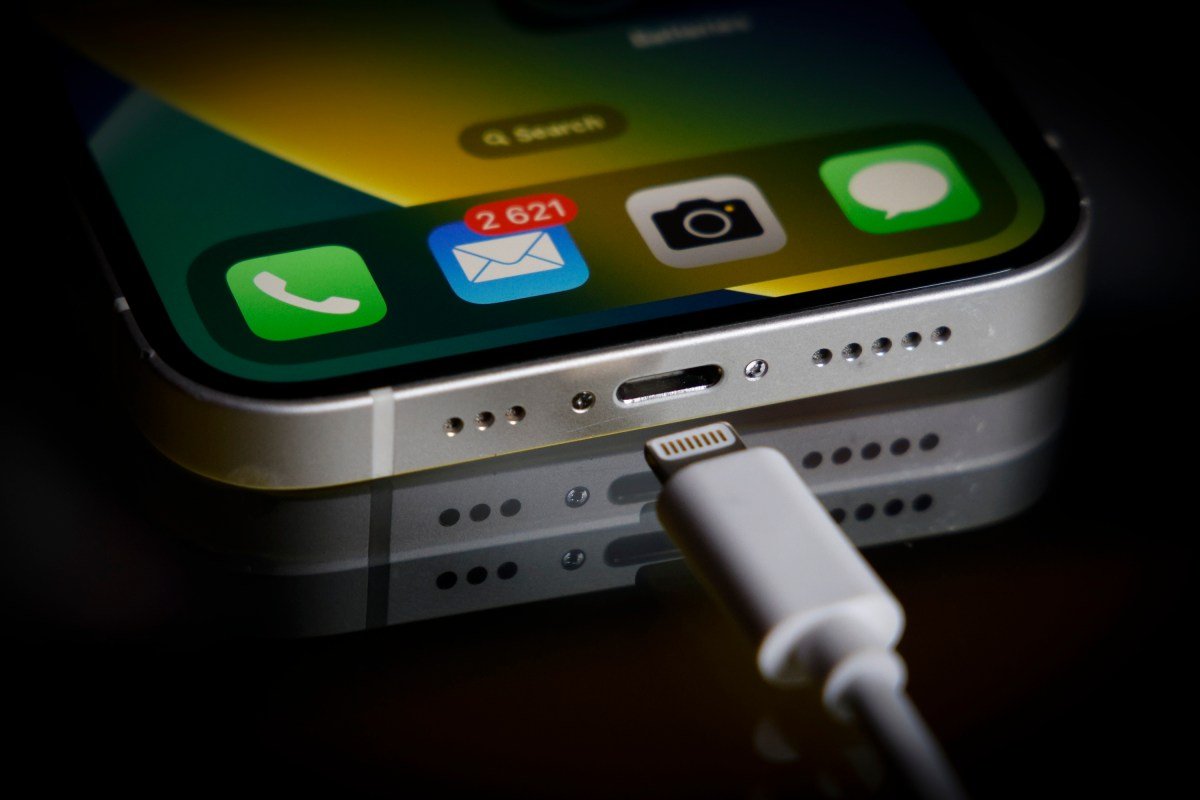
Apple’s upcoming iPhone 17 Air, slated for a fall release, almost marked a radical departure from traditional smartphone hardware. According to a report by Bloomberg’s Mark Gurman, the tech giant seriously evaluated launching the ultra-slim device without any physical ports, relying entirely on wireless charging and cloud-based data synchronization.
The Engineering Challenge Behind the iPhone 17 Air
The iPhone 17 Air is positioned as a minimalist powerhouse, mirroring the philosophy of the MacBook Air by offering a significantly thinner profile than standard models. Achieving this form factor required what Gurman describes as a “Herculean effort” from Apple’s engineering teams, particularly in developing thinner battery technology that maintains high-performance standards without compromising total battery life.
Why the Port-Free Vision Was Abandoned
While the prospect of a completely seamless, port-free device aligns with Apple’s long-term design goals, the project faced significant regulatory hurdles. The company ultimately decided to retain a physical port, largely due to intensifying pressure from European regulators.
The European Union has mandated that smartphone manufacturers must support USB-C connectivity, a requirement that directly conflicts with a design lacking any physical interface. By keeping the port for the current iteration, Apple avoids potential legal friction and compliance issues within the European market.
What to Expect from the New Model
The iPhone 17 Air is expected to serve as a unique addition to the lineup, blending high-end hardware capabilities with more accessible features. As detailed by Bloomberg, the device represents Apple’s ongoing attempt to redefine the smartphone silhouette while balancing the fine line between innovation and global regulatory demands.