
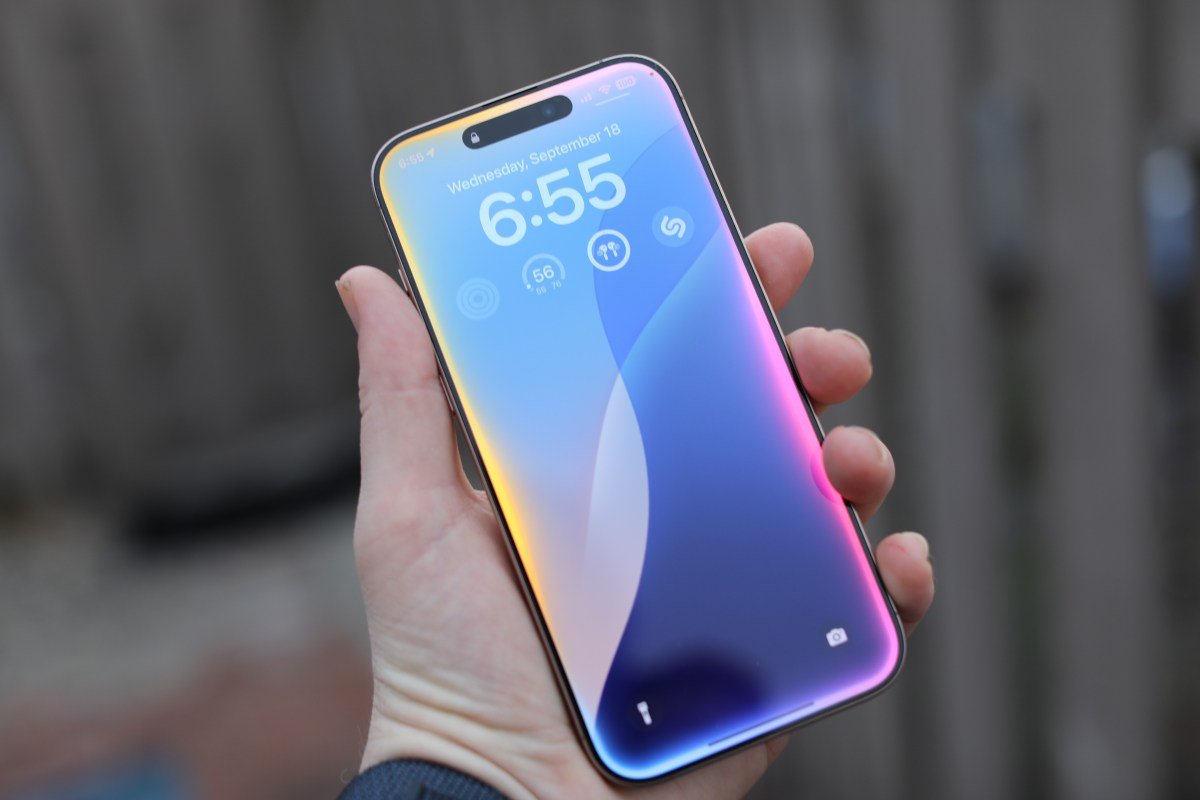
Apple officially surpassed the 3 billion iPhone units sold mark since the device’s debut in 2007. CEO Tim Cook confirmed the historic milestone during the company’s third-quarter earnings call this Thursday, highlighting the enduring dominance of its flagship product.
A Accelerated Growth Trajectory
The journey to this record-breaking figure reveals a significant shift in consumer demand. It took Apple exactly nine years to reach its first billion units, a milestone achieved in 2016. Remarkably, the company moved the subsequent 2 billion units in the following nine-year window, signaling that the iPhone’s popularity is not merely sustaining itself, but accelerating.
Financial Performance and Market Context
The celebration of this hardware milestone arrives at a critical juncture for the tech giant. Despite losing its position as the world’s most valuable company to Nvidia and Microsoft earlier this year, Apple’s performance remains robust. The latest quarterly results exceeded analyst expectations, providing a much-needed boost to investor confidence.
Revenue Breakdown: iPhone Still Leads
iPhone sales surged 13% year-over-year, accounting for $44.6 billion in revenue. This figure represents nearly half of Apple’s total quarterly revenue, which hit $94 billion.
The Tariff Factor: Is the Surge Temporary?
While the sales figures are impressive, industry analysts suggest external factors may have played a role. Speculation suggests that consumers rushed to purchase new iPhones last quarter, driven by fears that proposed tariff plans from President Trump could lead to exponential price hikes for electronics in the United States.
Apple should be very pleased with the folks who spread the lies that the iPhone will cost $3000 or $25,000 if made in the U.S. Clearly that helped a ton for the June quarter.
— Mark Gurman (@markgurman) July 31, 2025
Whether this momentum can be sustained without the influence of policy-driven purchasing remains a key point of interest for market observers in the coming quarters.