
Apple has officially integrated AI-driven tagging features into the latest developer beta of iOS 26. This initiative aims to refine how applications are categorized and discovered within the App Store by leveraging advanced machine learning to parse metadata.
Current Status and Technical Scope
While the functionality is now visible to developers, the AI tags are not yet live on the public-facing App Store. Furthermore, these tags currently do not influence the public search algorithm. Apple is utilizing this beta period to test the extraction of information that was previously buried within app descriptions, categories, and screenshot metadata.
Beyond OCR: The Role of AI in Discoverability
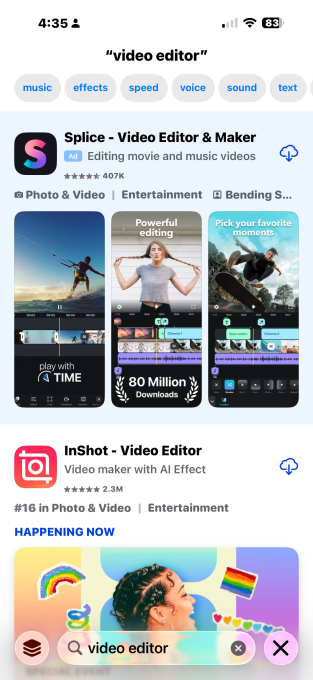
Recent analysis from app intelligence firm Appfigures initially speculated that Apple was employing Optical Character Recognition (OCR) to scrape text directly from screenshot captions to boost search rankings. However, Apple clarified at WWDC 25 that the process is significantly more sophisticated.
Rather than simple text extraction, Apple is deploying AI models to interpret the context of an app’s visual assets and metadata. This transition signifies that developers are no longer required to manually embed keywords into screenshots or perform intensive optimization to influence these specific tags.
Developer Control and Human Oversight
The system is designed to assign relevant tags that improve overall app categorization. Crucially, Apple has confirmed that developers will eventually gain control over which AI-assigned tags are associated with their products. To ensure accuracy and prevent misuse, the company has committed to a human review process for all tags before they are deployed to the global App Store.
As the rollout progresses, understanding these AI-driven tags will become a core component of App Store Optimization (ASO). Developers are encouraged to monitor how these labels align with their app’s core functionality to maximize visibility once the feature moves out of the testing phase.