
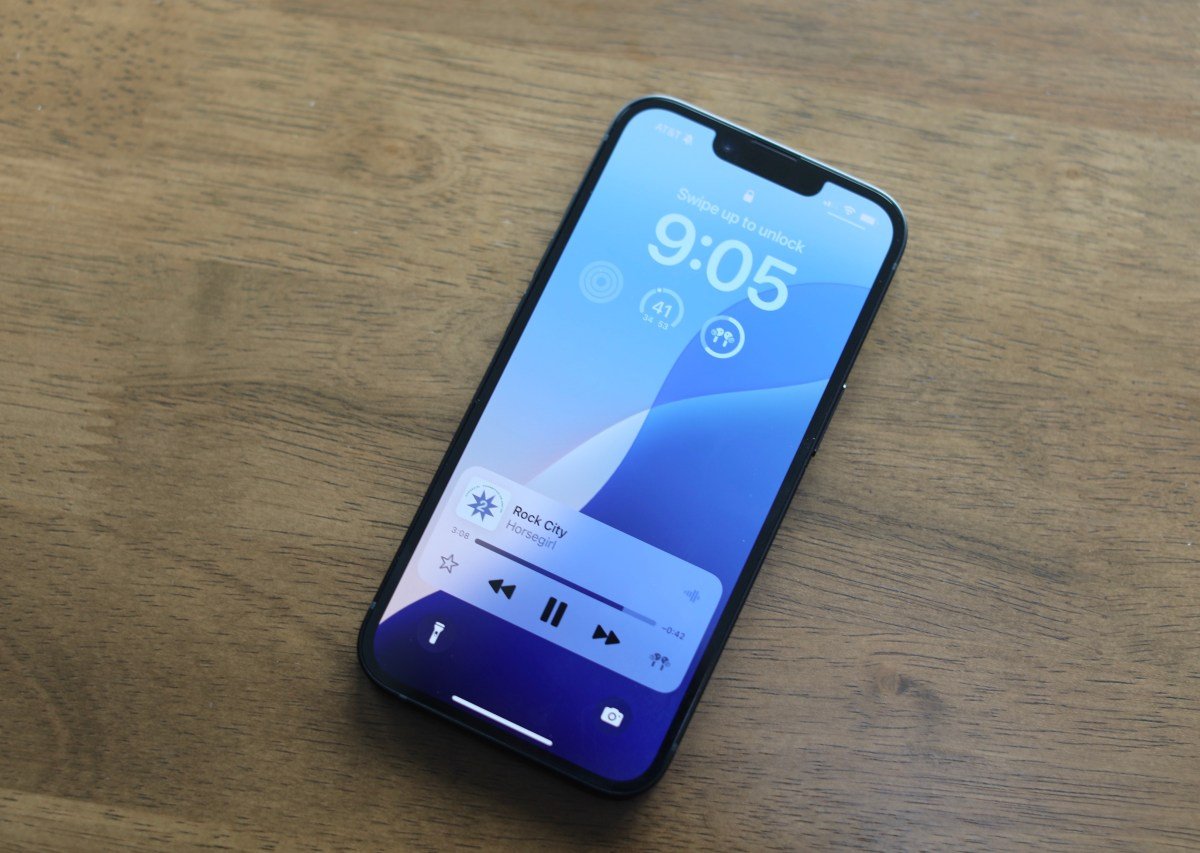
Apple has quietly expanded its smartphone lineup with the launch of the iPhone 16e. Priced at $599, the device was announced via a simple press release rather than a high-profile keynote, signaling its role as a pragmatic, cost-conscious addition to the ecosystem rather than a revolutionary flagship.
The 16e is a strategic composite of previous hardware designs, blending elements of the iPhone 13 and 14 with modern internal specifications. While it retains the classic display notch and includes the Action button, it notably omits the Camera Control feature found on the flagship iPhone 16.
The Power of the A18 Chip
The primary justification for the “16e” branding—and its strongest selling point—is the inclusion of the A18 processor. By integrating the same silicon found in the standard iPhone 16, Apple has created a device that is $200 cheaper than its flagship sibling while offering significant longevity.
This chip choice is critical for future-proofing. Beyond standard security updates, the A18 allows the 16e to run Apple Intelligence. Previously, generative AI features were restricted to the most expensive hardware in Apple’s catalog; the 16e democratizes access to these tools at a lower entry price.
Hardware Innovations and Design Choices
Under the hood, the 16e features Apple’s custom C1 modem. While modems rarely capture public interest, this component is a milestone as the first of its kind developed in-house by Apple. It plays a pivotal role in the device’s efficiency, contributing to an impressive 26-hour battery life—surpassing both the iPhone 16 and 15.
However, the design follows a familiar path. The 6.1-inch Super Retina XDR display is reliable, though it lacks the Dynamic Island and hits a lower peak brightness of 1,200 nits compared to the 2,000 nits on premium models. Furthermore, the 16e marks the end of the “compact” iPhone era; with its release, Apple no longer offers a modern handset with a screen smaller than 6 inches.
Camera and Connectivity Trade-offs
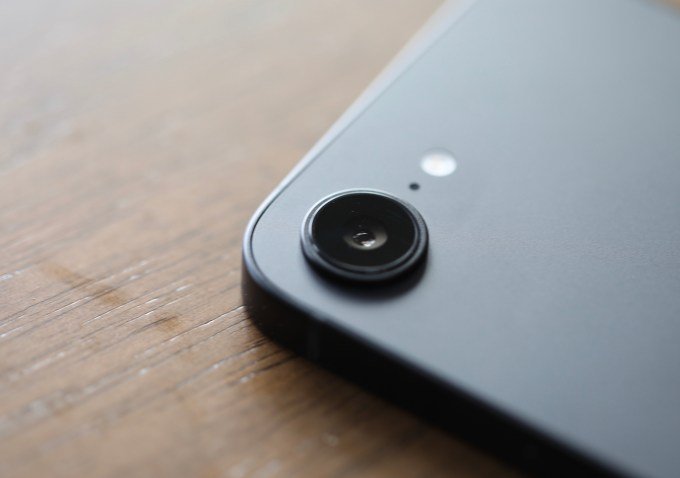
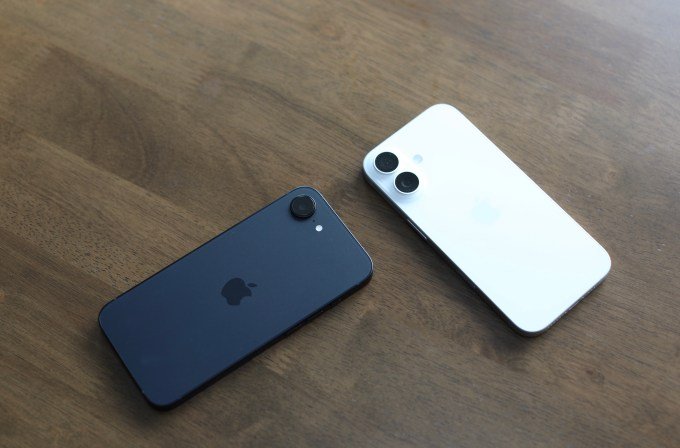
Photographic versatility is where the 16e makes its most significant compromises. It utilizes a single 48-megapixel sensor that relies on computational “2-in-1” photography to simulate a telephoto lens. While it performs well for a single-sensor system, it lacks the raw physical versatility of the dual-camera setups found on the iPhone 15 and 16.
Additionally, the device does not support MagSafe, and its Qi wireless charging speeds are capped at 7.5 watts. For users who prioritize these features, the $100 to $200 price difference to jump to the iPhone 15 or 16 may be a worthwhile investment.
The Verdict: Who is the 16e For?
The iPhone 16e is an exercise in prioritization. It is designed for users who want the latest generative AI capabilities and modern processing power but are willing to sacrifice niceties like the Dynamic Island, advanced camera hardware, and MagSafe integration.
By positioning the 16e as a bridge between the aging iPhone 15 and the high-end iPhone 16, Apple is clearly targeting price-sensitive markets like India and China, where competition from domestic manufacturers remains intense. Whether this “middle-ground” strategy will successfully capture users depends entirely on how much value individual consumers place on Apple Intelligence in their daily workflows.