
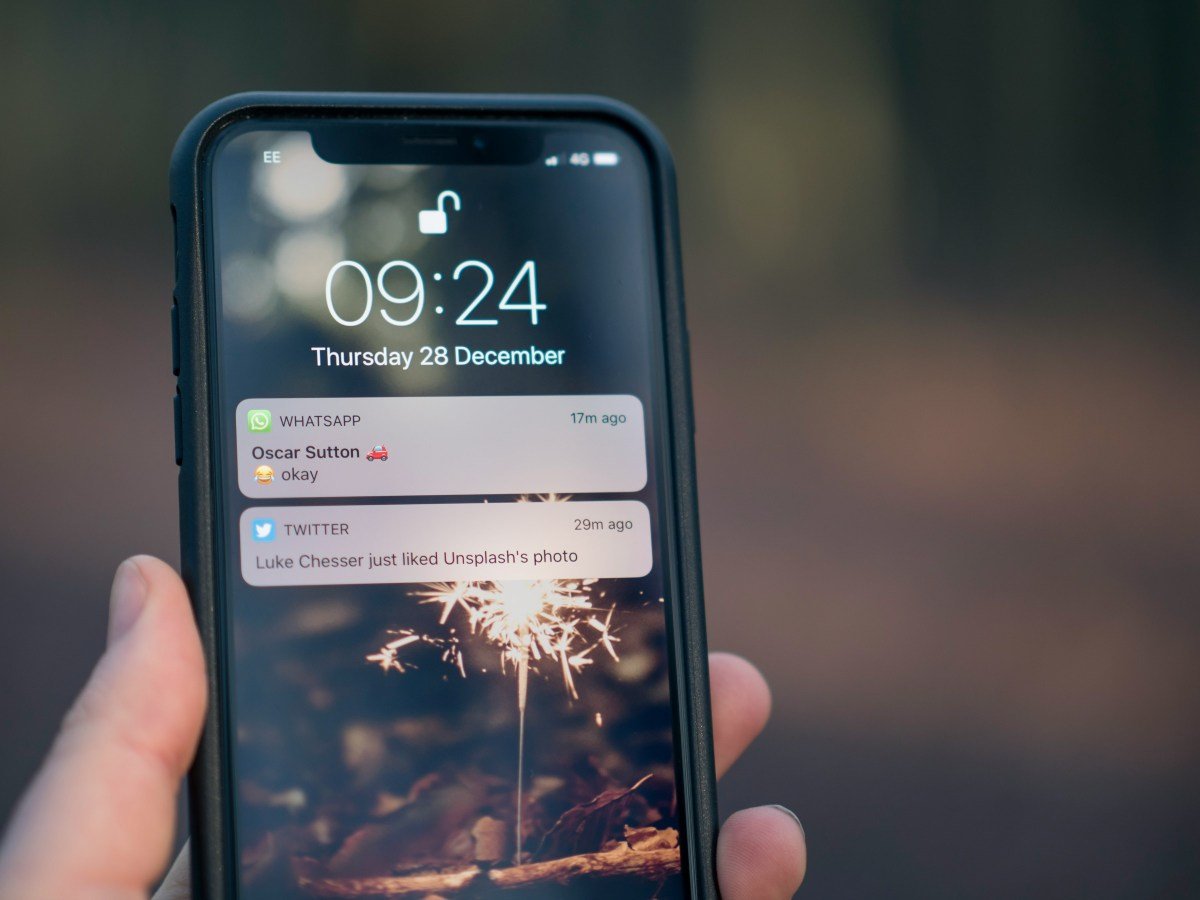
Apple has officially rolled out a critical software update for iPhones and iPads, patching a security vulnerability that allowed law enforcement agencies to recover messages previously deleted or expired from encrypted apps. The flaw stemmed from an OS-level error that cached notification content, keeping sensitive data accessible on the device for up to a month after the original message was purged.
The Security Flaw Explained
In an official security advisory, Apple confirmed that the bug caused notifications marked for removal to be “unexpectedly retained on the device.” This technical oversight effectively rendered the “disappearing messages” feature—a cornerstone of privacy for apps like Signal and WhatsApp—useless against forensic extraction tools.
How the FBI Exploited the Vulnerability
The issue gained public scrutiny following a report by 404 Media, which documented instances where the FBI successfully retrieved deleted Signal messages from suspect devices. Forensic tools were able to scrape the content from the iPhone’s internal notification database, where the messages persisted even after they were wiped from the messaging application’s own storage.
Signal President Meredith Whittaker publicly addressed the oversight, stating that messaging app notifications should never remain in an operating system database after a message is deleted. The organization had been in communication with Apple to ensure the vulnerability was prioritized for a fix.
Broader Implications for User Privacy
Privacy advocates have long championed auto-delete timers as an essential safeguard for at-risk users, particularly in scenarios where devices may be seized by authorities. By caching these notifications, the iOS bug created a backdoor that bypassed the intended privacy protections of encrypted messaging services.
While it remains unclear why the operating system was logging notification content in this manner, the resolution confirms it was a systemic error rather than a design choice. In addition to the latest update, Apple has backported the fix to devices running older versions of iOS 18 to ensure maximum coverage across the user base.