
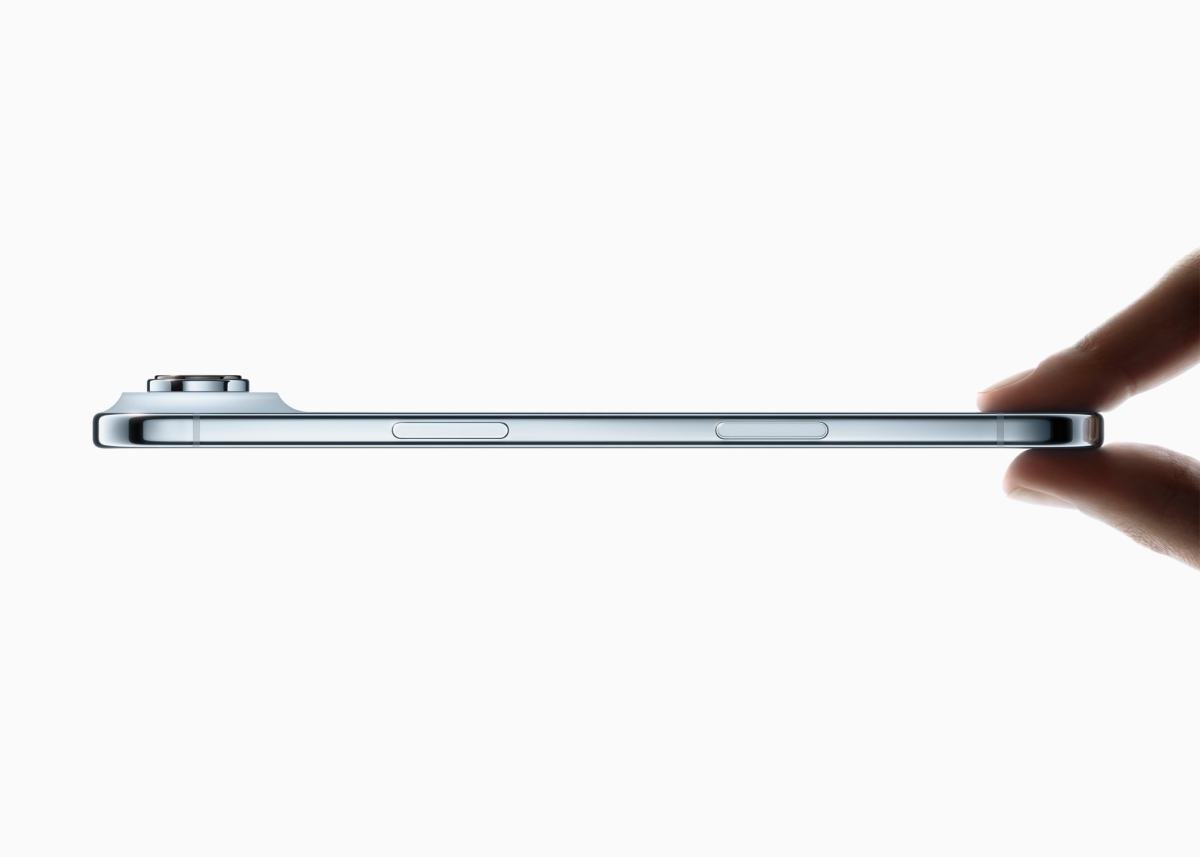
Apple has officially introduced the iPhone Air, a groundbreaking device that redefines portability by measuring just 5.5mm in thickness and weighing a mere 145 grams. This new model represents the company’s latest effort to deliver high-performance hardware within an ultra-slim, lightweight chassis.
Pushing the Boundaries of Hardware Design
The iPhone Air arrives as a direct response to the growing consumer demand for more ergonomic mobile devices. By shedding significant mass and profile, Apple is positioning the Air as the pinnacle of its current industrial design capabilities, aiming to set a new standard for smartphone aesthetics and handling.
Strategic Shift Toward Foldable Competition
Industry analysts are already questioning whether the launch of the iPhone Air serves as a precursor to a long-rumored foldable iPhone. While Apple has historically trailed behind competitors like Samsung and Google in the foldable smartphone market, the engineering advancements required to produce the Air suggest that the company is refining its manufacturing processes for future form factors.
By mastering the production of ultra-thin components, Apple is effectively narrowing the gap between its traditional flagship lineup and the innovative hardware currently dominating the foldable sector. The iPhone Air is not just a standalone device; it is a strategic step toward ensuring the brand remains competitive in an evolving mobile landscape.