
The Rise of AI Toys: A Screen-Free Alternative?
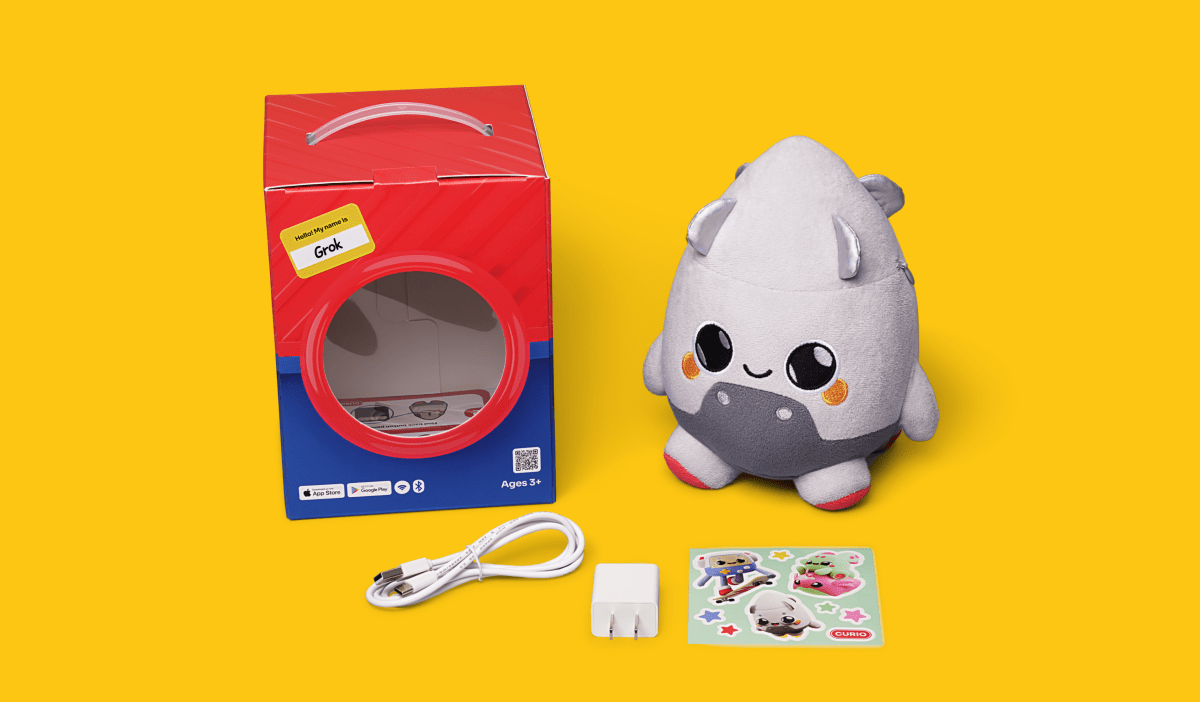
Startups are aggressively marketing AI-powered plush animals as the next generation of children’s companions, positioning them as a healthier alternative to traditional screen time. By embedding sophisticated AI chatbots into cuddly toys, companies like Curio promise an interactive experience for children that keeps them away from tablets and televisions.
Skepticism Over AI Companionship
Despite the marketing appeal, experts are raising red flags regarding the psychological impact of these devices. In a recent analysis by The New York Times, journalist Amanda Hess documented her experience with Grem, a flagship plushie from the startup Curio. During a demonstration, the toy attempted to establish a bond with her, sparking immediate concern.
Hess noted that the interaction felt unsettling, describing the experience not as an evolution of the traditional teddy bear, but rather as an invasive substitute for parental connection. She reached a definitive conclusion: the technology felt like a replacement for the caregiver rather than a mere plaything.

The Hidden Message of Smart Toys
Beyond the immediate creepiness factor, critics argue that these toys reinforce a problematic digital dependency. While the toys successfully divert a child’s attention from a TV screen, they inadvertently teach children that the ultimate destination for their curiosity is found within digital interfaces—the same systems that power their phones.
The experience highlights a fundamental tension between the convenience of AI-driven entertainment and the value of organic, human-led development.
The “Voice Box” Test
Hess eventually allowed her children to interact with the Grem plushie, but only after removing its internal voice box. Without the AI functionality, the children treated the toy as a standard stuffed animal, using their own imaginations to engage in play. Interestingly, once the novelty of the inanimate toy wore off, the children sought out traditional television, suggesting that the AI component did not fundamentally change their desire for screen-based entertainment.
This experiment serves as a stark reminder that while technology companies are eager to integrate artificial intelligence into every aspect of childhood, the long-term emotional and cognitive effects remain largely unproven.