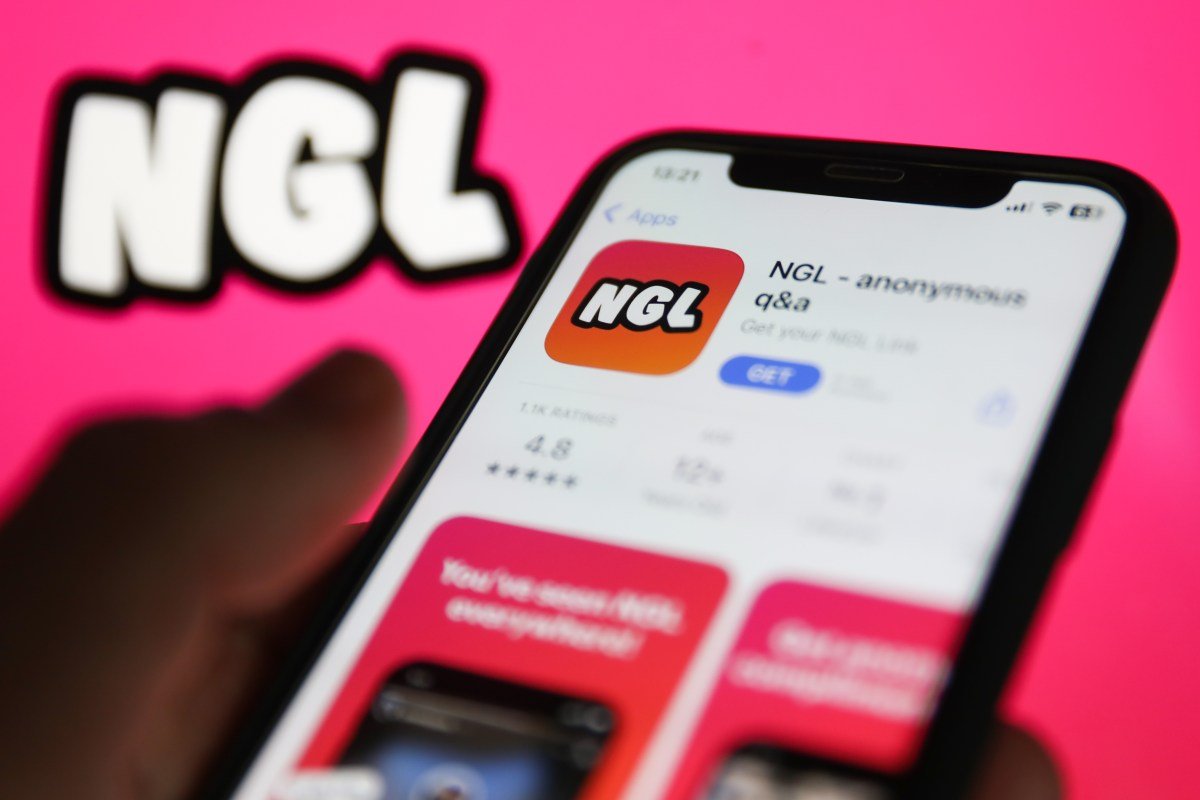
The anonymous messaging app NGL officially announced its acquisition by Mode Mobile this past Friday. Mode Mobile, a startup known for its “EarnPhone” smartphone rewards program, takes over the platform as NGL’s founders, Raj Vir and João Figueiredo, depart the company. While the financial terms of the deal remain undisclosed, the remaining three NGL employees will transition to the Mode Mobile team.
A History of Controversy and Regulatory Scrutiny
Since its launch in late 2021, NGL skyrocketed to the top of App Store charts, capitalizing on the trend of anonymous messaging among teenagers. However, the app’s tenure has been defined by significant controversy. Critics and safety advocates have long argued that anonymous messaging platforms facilitate cyberbullying, a concern that led Snapchat to ban third-party apps like NGL, LMK, and Sendit in 2022 following a lawsuit involving a teenager’s suicide.
Beyond safety concerns, NGL faced intense backlash for aggressive and deceptive “growth hacking” strategies. The app was accused of sending automated, fake messages to users to mimic genuine social interaction. This tactic often baited users into purchasing a $9.99 monthly subscription under the false pretense of revealing the identity of the anonymous sender.
The FTC Crackdown
In 2024, the Federal Trade Commission (FTC) concluded a two-year investigation into the app’s business practices. The agency issued a landmark ruling banning NGL from offering its services to minors, citing the app’s predatory nature. The FTC stated that NGL executives dismissed consumer complaints, allegedly referring to their own users as “suckers.” As part of the settlement, the company paid a $5 million fine and agreed to stringent compliance measures.
The Synergy: Mode Mobile and NGL
The acquisition brings NGL under the umbrella of Mode Mobile, a company with a business model centered on monetizing user attention. Mode Mobile produces the “EarnPhone,” a device that incentivizes users to perform daily tasks—such as listening to music, gaming, and browsing—in exchange for small monetary rewards.
According to investor materials, the company functions by saturating its user base with digital advertising. Given NGL’s history of prioritizing growth through questionable engagement tactics, industry observers suggest the two companies share a philosophical alignment regarding aggressive user monetization.