
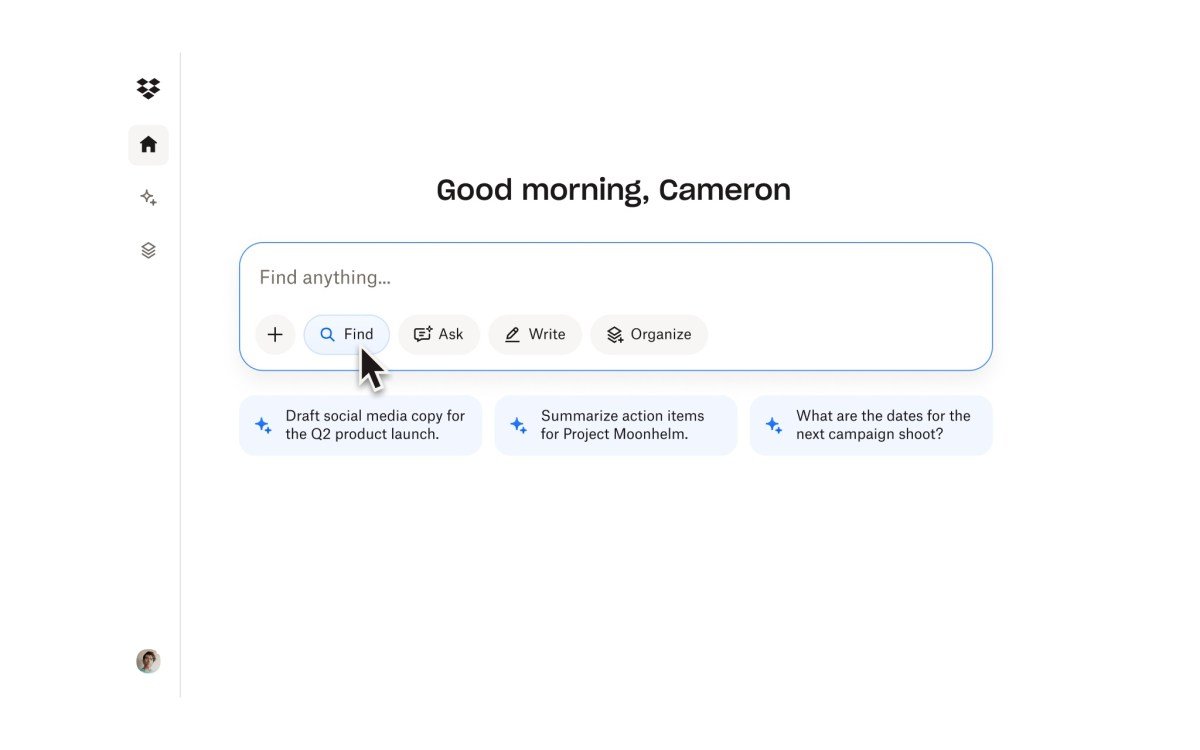
Dropbox has officially expanded the capabilities of its AI-powered search tool, Dash, introducing advanced multimedia search, enhanced enterprise controls, and automated content generation. This update, announced Thursday, positions Dropbox to compete more aggressively with AI-integrated ecosystems from Google and Microsoft, as well as specialized startups like ClickUp and ReadAI.
Advanced Multimedia and People Search
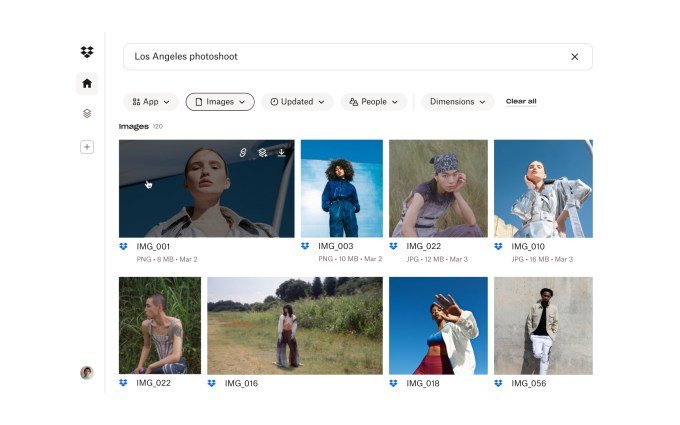
The core of this update is a significant boost to Dash’s “understanding” of diverse content. Users can now perform natural language queries to search across audio, video, and image files, moving beyond simple text-based retrieval. Additionally, Dropbox has implemented a “people search” feature, enabling users to identify colleagues who contributed to specific projects or locate subject-matter experts within their organization.
Enterprise Controls and Content Generation
Following the introduction of Dash for Business last year, Dropbox is refining its enterprise-grade tooling. IT administrators now have the authority to exclude sensitive documents from search results, ensuring better data governance. Beyond search, Dash is evolving into a content creation engine. It can now synthesize information from disparate sources—such as emails, meeting transcripts, and existing files—to automatically draft project plans, memos, and briefs.
Expanded Ecosystem Integrations
To reduce context switching, Dropbox is rolling out deeper integrations for Dash. The tool now connects directly with major communication platforms, including Slack, Zoom, and Microsoft Teams. Furthermore, it supports project management and creative software such as Figma, Canva, and Jira.
By pulling data from these external platforms into a centralized search interface, Dropbox aims to streamline workflows where information is typically siloed. As the productivity software market shifts toward AI-driven data synthesis, the company is betting that its ability to unify disparate work tools will be the deciding factor for enterprise adoption.