

Meta officially announced on Thursday that it is launching a major crackdown on spammy content across Facebook. The platform will now aggressively reduce the organic reach of accounts identified as “spammy” and strip them of all monetization eligibility. This initiative is part of a broader strategy to purge the network of fake engagement, impersonation accounts, and low-quality posts that have cluttered user feeds.
Restoring the “OG Facebook” Experience
This policy shift aligns with CEO Mark Zuckerberg’s public commitment to returning the platform to its roots. By curbing content designed solely to “game the algorithm,” Meta aims to restore the authentic, person-to-person connection that defined the site’s early success. The company officially detailed these changes as a necessary step to prioritize high-quality creator content over artificial engagement.
Targeting Spam Tactics and AI “Slop”
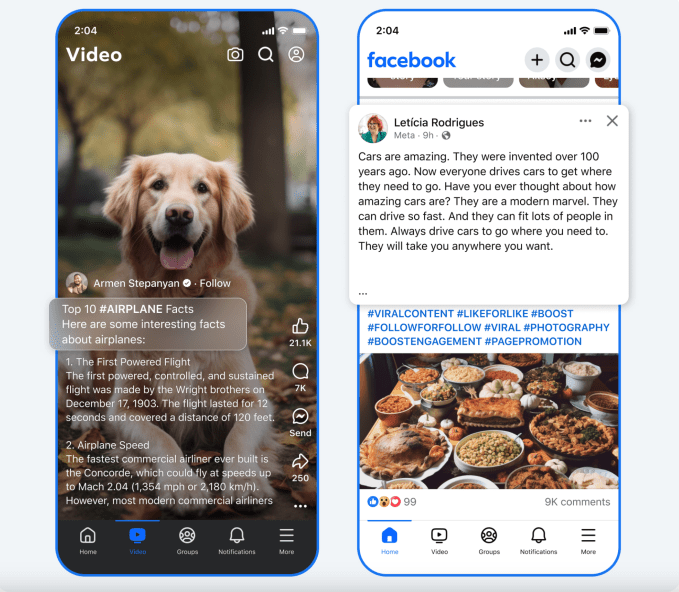
Meta is specifically targeting behaviors that manipulate the feed, such as posts featuring excessive hashtags or misleading captions that bear no relation to the shared image. While the company stated that this is not a direct, blanket ban on all AI-generated content, it warned that accounts using AI to flood feeds with low-quality “slop” will be caught in the sweep if they exhibit these spammy patterns.
Furthermore, the platform is dismantling large-scale spam networks that coordinate to cross-post identical content across multiple accounts. These networks will face immediate demonetization, effectively stripping them of the financial incentive to continue their operations.
New Tools for Comment Moderation
The cleanup extends to the comment section, where fake engagement has long been a plague. Facebook is implementing new automated detection tools to identify and hide comments originating from suspected fake identities. Additionally, creators will receive enhanced reporting tools to flag impersonators directly.
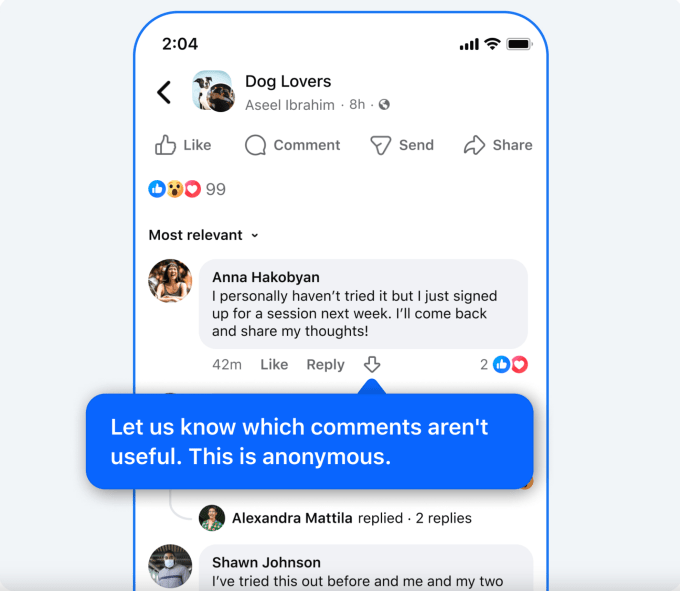
A new experimental feature will also allow users to signal when comments are irrelevant or contextually inappropriate, giving the community more power to curate their own conversation spaces.
A Strategy for Cultural Relevance
This crackdown follows the recent launch of a revamped “Friends” tab, which strips away algorithmic recommendations to focus exclusively on updates from personal connections. These moves are a direct response to internal concerns—revealed in 2022 emails—that Facebook was rapidly losing its cultural relevance and failing to provide the user experience that once made it the dominant social network.
As the platform navigates the rise of AI-generated “slop”, these structural changes represent a calculated effort to preserve the platform’s integrity and keep users engaged with genuine human-centric content.