
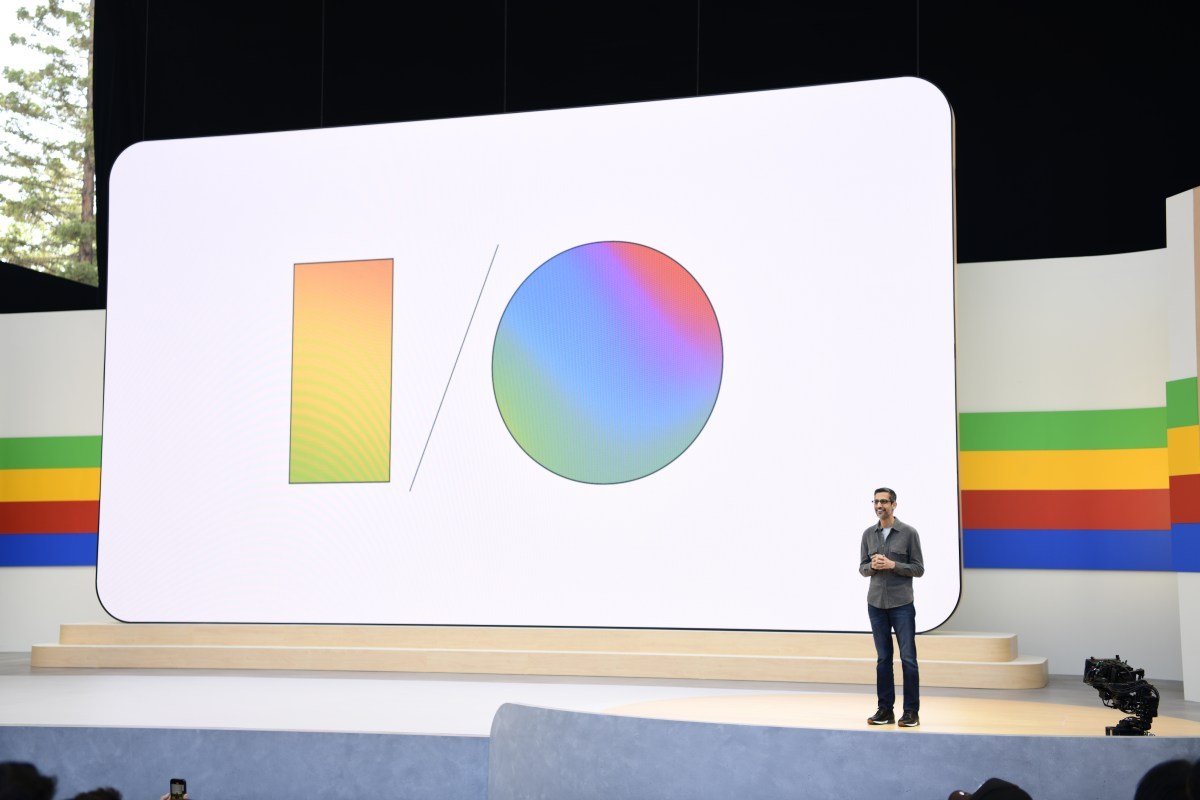
Google officially entered the smart eyewear race at I/O 2025, unveiling a strategic initiative to develop Android XR-powered glasses in collaboration with premium eyewear brands Gentle Monster and Warby Parker. The move positions Google as a direct competitor to Meta’s popular Ray-Ban smart glasses, signaling a major expansion of its mixed reality ecosystem.
Building an Android XR Ecosystem
The foundation for this hardware push was laid last year when Google introduced the Android XR platform in partnership with Qualcomm and Samsung. While initial announcements remained vague regarding specific hardware, the latest update confirms Google’s commitment to a diverse portfolio of headsets and glasses manufactured alongside key industry partners.
Google also confirmed an expanded collaboration with Samsung, specifically targeting the XR glasses market. The two tech giants are currently finalizing a comprehensive software and hardware reference platform, designed to provide developers with the tools necessary to build sophisticated, high-performance XR solutions.
Project Moohan and Hardware Milestones
This initiative builds upon a mixed reality project first announced by Google, Samsung, and Qualcomm in 2023. Samsung’s progress in this space includes “Project Moohan,” a headset revealed in late 2024. According to Google, this device is scheduled for a commercial debut later this year.
Gemini AI Meets Augmented Reality
At the I/O conference, Google showcased concept glasses that integrate its Gemini AI directly into the Android XR interface. Similar to existing market offerings, these prototypes feature integrated cameras, microphones, and speakers. However, Google’s design distinguishes itself with an optional, lens-affixed display capable of projecting real-time notifications directly into the user’s field of view.
Practical Use Cases and Future Testing
Google’s demonstration highlighted several functional applications for the hardware, including:
- Real-time language translation
- Turn-by-turn navigation overlays
- Hands-free messaging and appointment scheduling
- Integrated photography capabilities
To refine the user experience, Google is currently distributing units to select testers to gather essential performance data and feedback before a broader market rollout.