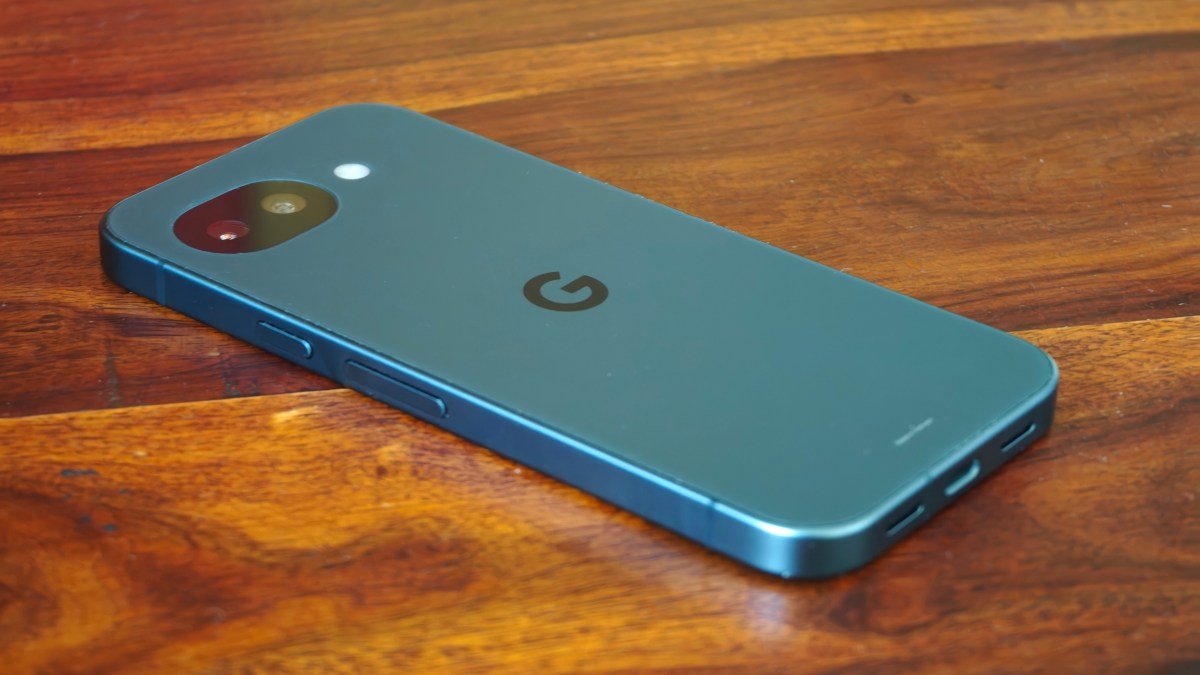
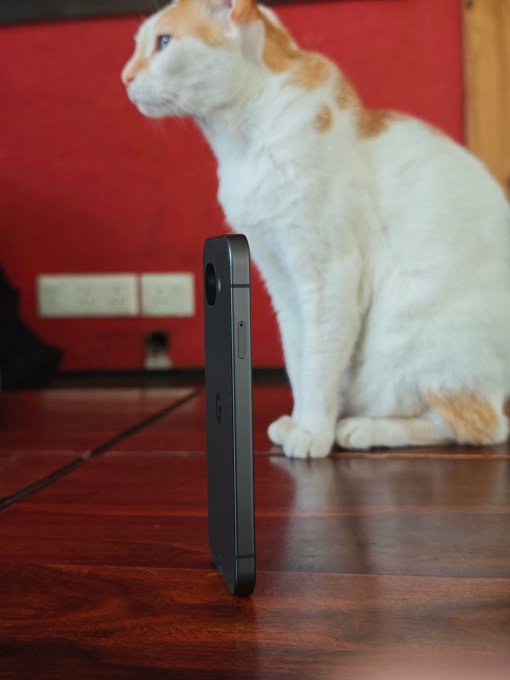
Google has officially redefined the design language of its budget-friendly lineup with the new Pixel 10a. Departing from the industry trend of increasingly massive camera protrusions, the company has opted for a completely flat rear design, ensuring the device sits perfectly level on any surface.
Design Choices and Display Upgrades
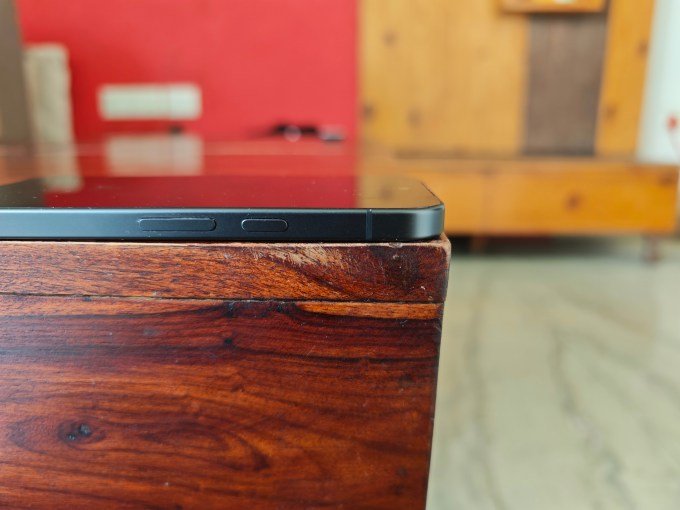
While the design is a notable departure, the overall aesthetic remains familiar to those who used the Pixel 9a. The device is available in four distinct finishes: a classic black, Lavender (a vibrant blue-purple blend), Berry (coral), and Fog (a muted gray-green).
The 6.3-inch display carries over from the previous generation but receives a significant brightness boost, now reaching up to 3,000 nits. Utilizing Google’s Actua display technology, the screen ensures superior visibility in direct sunlight. While the panel supports a 120Hz refresh rate, users should note that the device ships with a default 60Hz setting, requiring a quick manual adjustment in the system settings.
Hardware and Battery Performance
The Pixel 10a balances cost-saving measures with high-end features. Unlike the flagship Pixel 10, which uses premium Corning Gorilla Glass Victus 2 on both sides, the 10a utilizes a plastic back and Gorilla Glass 7i on the front. However, the battery capacity is a standout: at 5,100 mAh, it actually exceeds the 4,970 mAh found in the base Pixel 10.
Under the hood, the device runs on the Google Tensor G4 chip. While this provides consistent performance, it means there are no major processing power gains compared to the previous generation. Connectivity and charging have seen improvements, with 10W wireless charging and faster 30W wired charging via USB-C.
AI Limitations and Camera Capabilities
Due to the hardware configuration—specifically the G4 chip and 8GB of RAM—the Pixel 10a does not support the advanced Gemini Nano AI model. Consequently, several high-end features are missing, including:
- Notification summaries
- The Pixel screenshot app
- Magic Cue contextual suggestions
- Call notes and on-device call translation
For photography, the device retains the 48-megapixel main sensor and 13-megapixel wide-angle lens from last year. The main camera remains highly capable in diverse lighting. However, the wide-angle lens lacks autofocus and relies on a smaller sensor, which can lead to a slight loss of detail in complex shots.