
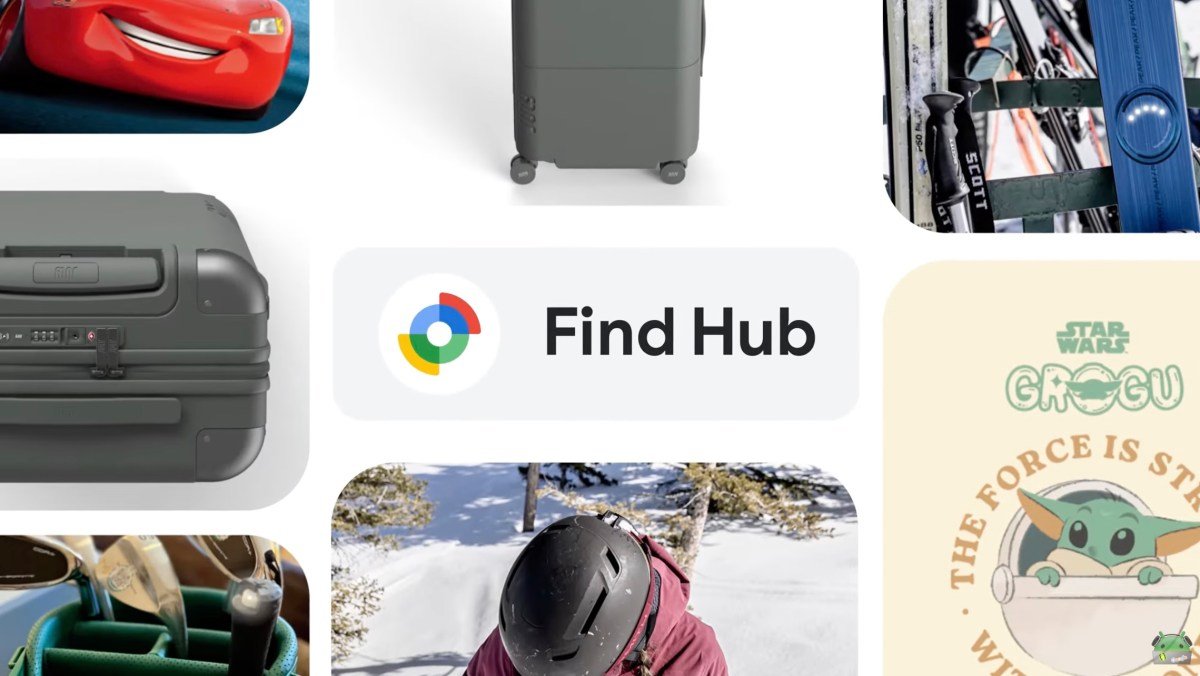
Google is officially rebranding its “Find My Device” service to Find Hub. Announced during Tuesday’s Android Show, the strategic shift arrives just one week before Google I/O 2025, signaling a major expansion of the platform’s capabilities, including satellite-based tracking and key airline partnerships.
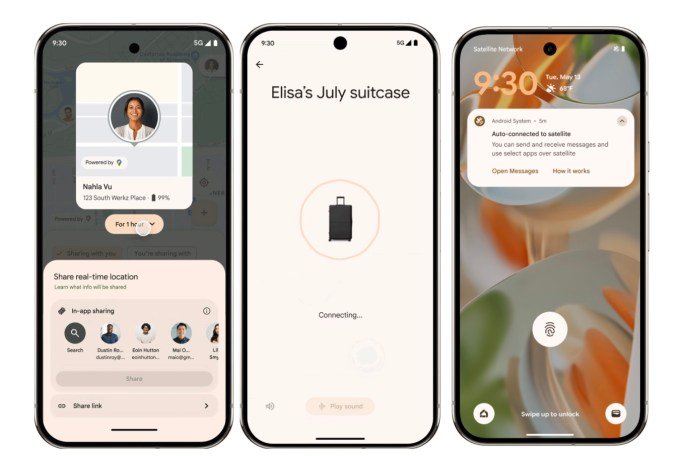
Evolution of the Android Tracking Network
Originally launched in 2013 as a direct competitor to Apple’s ecosystem, the service underwent a massive transformation last year. Google introduced a crowdsourced network capable of locating personal items through third-party Bluetooth trackers from brands like Chipolo and Pebblebee.
With the transition to Find Hub, Google is deepening its hardware integration. The platform will now support built-in location tracking for a broader range of consumer goods, moving beyond simple tags.
Expanded Hardware and UWB Support
Google is diversifying its ecosystem by partnering with lifestyle and travel brands to embed tracking technology directly into products:
- Travel: Integrated luggage tracking via July and Mokobara.
- Outdoor Gear: Precision tracking for skis using Peak integration.
- Family Safety: New Bluetooth tags specifically designed for families from Pixbee.
Furthermore, Android users will gain access to ultra-wideband (UWB) technology later this month, enabling high-precision location tracking for Motorola’s moto tags.
Satellite Connectivity and Airline Integration
The Find Hub roadmap includes critical infrastructure updates. Google confirmed that satellite-based finding capabilities are scheduled for deployment later in 2025, ensuring connectivity in areas without cellular or Wi-Fi coverage.
To assist global travelers, Find Hub is also launching airline-specific tracking support. Android users will be able to monitor luggage status through partnerships with:
- Aer Lingus
- British Airways
- Cathay Pacific
- Iberia
- Singapore Airlines