
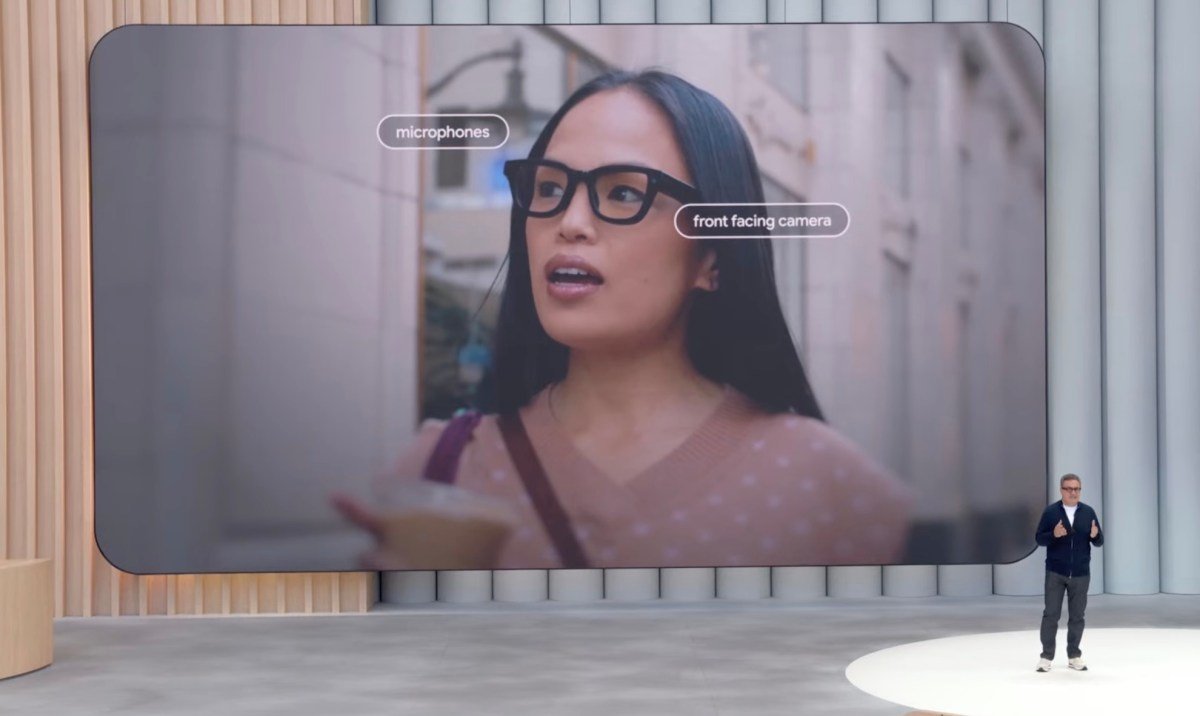
Google has officially confirmed plans to enter the wearable market with its first AI-powered smart glasses, slated for release in 2026. According to a recent company announcement, the tech giant aims to integrate artificial intelligence into daily life through unobtrusive, stylish hardware.
Strategic Partnerships for Consumer Wearables
The initiative builds upon partnerships established during the Google I/O event in May, specifically collaborating with industry leaders Gentle Monster and Warby Parker. These devices will run on Android XR, the same operating system powering Samsung’s Galaxy XR headset, signaling Google’s intent to create a unified ecosystem for extended reality.
Google’s strategy addresses the limitations of bulky headsets, which often prove impractical for everyday use. By prioritizing form factor, the company seeks to offer hardware that matches personal style while maintaining high-level functionality.
Two Distinct Visions for AI Glasses
Google is currently developing multiple iterations of AI-enhanced eyewear to serve different user needs:
- Screen-free Assistance: A model equipped with microphones, cameras, and speakers, designed to facilitate hands-free interaction with the Gemini AI and capture photos.
- In-Lens Display: A more advanced version featuring a private display visible only to the wearer, capable of projecting turn-by-turn navigation and real-time closed captioning.
Project Aura and the Future of XR
Beyond standard smart glasses, Google provided a preview of “Project Aura,” a set of wired XR glasses developed by Xreal. This device bridges the gap between lightweight glasses and full-scale headsets. It functions as an extended workstation or media device, allowing users to stream video and access Google’s full suite of productivity tools on the go.
Challenging Meta’s Market Dominance
The move marks a significant escalation in the wearables race. While Meta has established an early lead through its successful collaboration with Ray-Ban, Google is now positioned to compete alongside major players like Apple and Snap.
Google’s approach mirrors Meta’s retail-focused strategy. The company has already committed $75 million to support Warby Parker’s product development and commercialization. An additional $75 million investment, along with an equity stake in the eyewear brand, is contingent upon Warby Parker hitting specific performance milestones.