
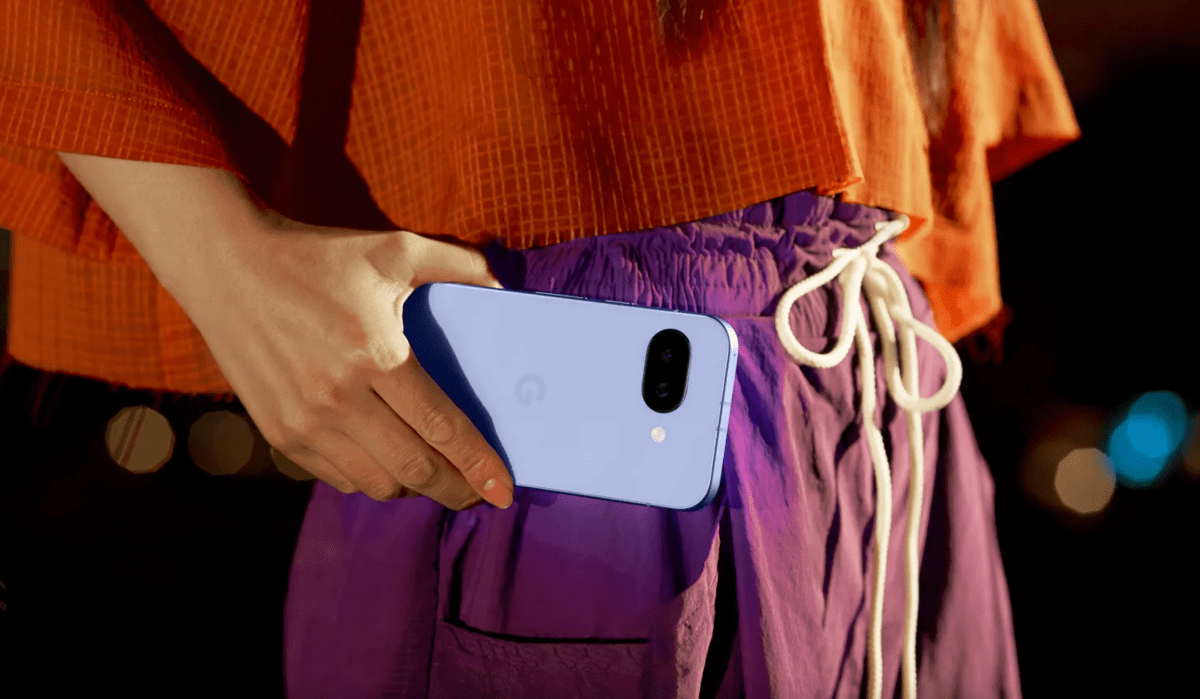
Google has officially unveiled the Pixel 9a, its latest mid-range smartphone set to launch this April at a competitive $499 price point. The most striking update to the device is its aesthetic overhaul, as Google has opted to remove the iconic camera bar that defined previous generations.
Performance Upgrades and Display Tech
Under the hood, the Pixel 9a transitions to Google’s latest Tensor G4 processor, providing a significant performance boost over the G3 chip found in its predecessor. The device is backed by 8GB of RAM and comes in two storage configurations: 128GB or 256GB. Google also claims the handset will deliver over 30 hours of battery life.
The visual experience is powered by an upgraded 6.3-inch Actua display. Reaching 2700 nits, it is 35% brighter than the screen on the Pixel 8a. Furthermore, the inclusion of a 120Hz adaptive refresh rate ensures smoother scrolling and transitions.
Advanced Photography and AI Capabilities
Photography remains a priority for the A-series. The Pixel 9a features a dual rear-camera system consisting of a 48MP main sensor and a 13MP ultrawide lens. Notably, this model introduces Macro Focus to the A-series for the first time, allowing users to capture high-detail close-up shots.
The device is deeply integrated with Google’s suite of AI-powered photography tools, including:
- Add Me and Best Take
- Magic Editor and Magic Eraser
- Audio Magic Eraser
- Night Sight and Astrophotography
- New Panorama with Night Sight
Durability and Market Positioning
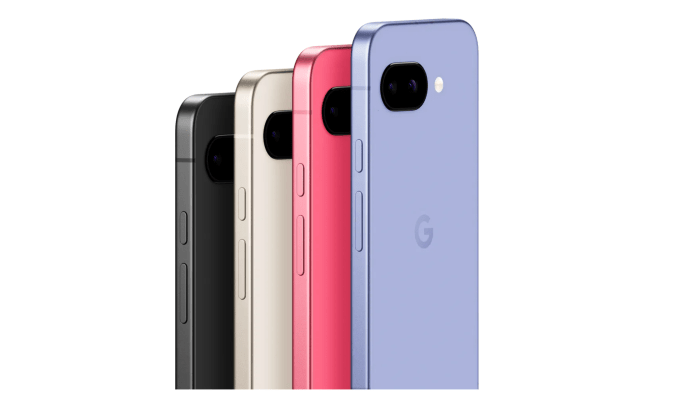
Google asserts that the Pixel 9a is the most durable phone in the A-series lineup to date. It features an IP68 rating, ensuring robust resistance against water, dust, drops, and daily wear. The device will be available in four distinct colorways: Peony, Iris, Porcelain, and Obsidian.
This product launch arrives just weeks after Apple introduced its $599 iPhone 16e, signaling an intensified battle for the mid-range smartphone market.