
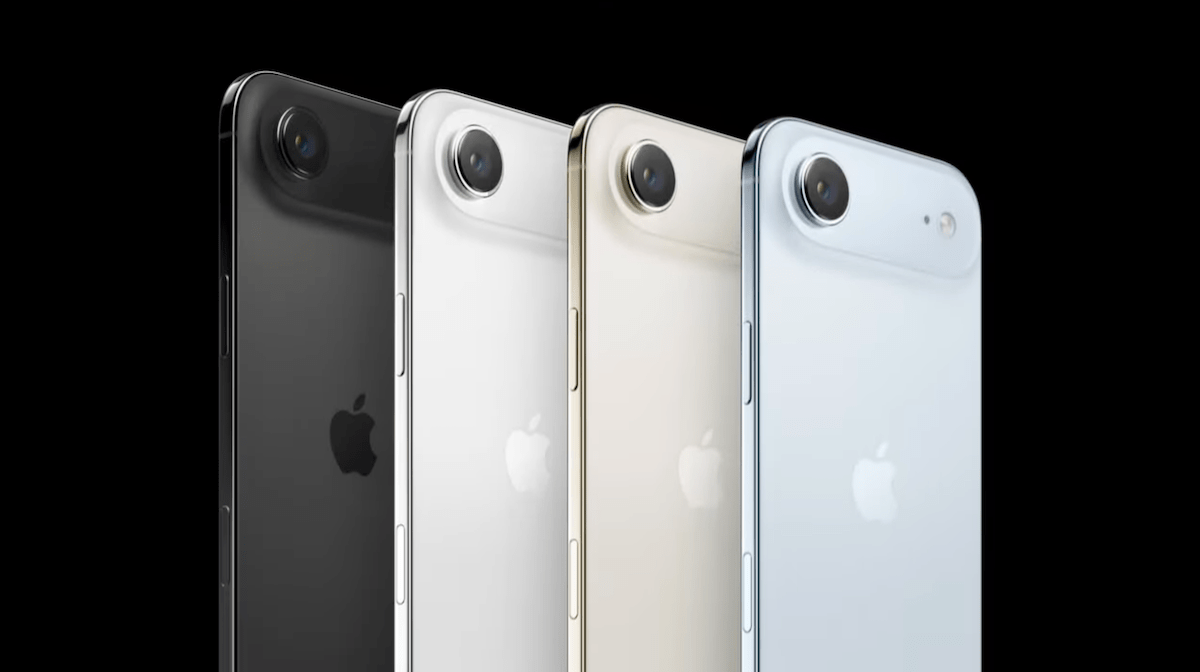
Apple officially unveiled the ultra-slim iPhone 17 Air during its annual hardware event this Tuesday, confirming a major shift in connectivity: the device will exclusively support eSIM technology worldwide. By eliminating the physical SIM tray, the tech giant has pushed the boundaries of smartphone hardware, achieving a remarkably thin 5.5 mm profile.
A Global Shift Toward eSIM Integration
While Apple first transitioned to an eSIM-only model for U.S.-based iPhones in 2022, the iPhone 17 Air marks the expansion of this policy to a global scale. This strategic move signals the company’s intent to phase out legacy hardware components in favor of more efficient, digital-first solutions.
Why Apple Abandoned the SIM Tray
During the keynote presentation, Apple executives emphasized that the removal of the physical SIM tray was essential for both internal space optimization and user security. The company highlighted several key advantages to this transition:
- Space Efficiency: Freeing up internal volume allows for the 5.5 mm ultra-thin design.
- Enhanced Security: Digital eSIMs offer superior protection compared to vulnerable, removable plastic cards.
- Travel Convenience: Users can manage multiple carriers and international plans more seamlessly without swapping physical hardware.
“We pioneered eSIM years ago, and now it is an industry standard,” Apple stated during the event. “Compared to that decades-old piece of plastic, eSIM is significantly easier to use, more secure, and saves precious space inside the device.”
The Future of iPhone Hardware
The iPhone 17 Air serves as a flagship example of how Apple is prioritizing minimalism and internal engineering. By successfully cramming advanced technology into a chassis nearly half the thickness of previous generations, the company is betting that the global market is ready to move past the physical SIM card entirely.