
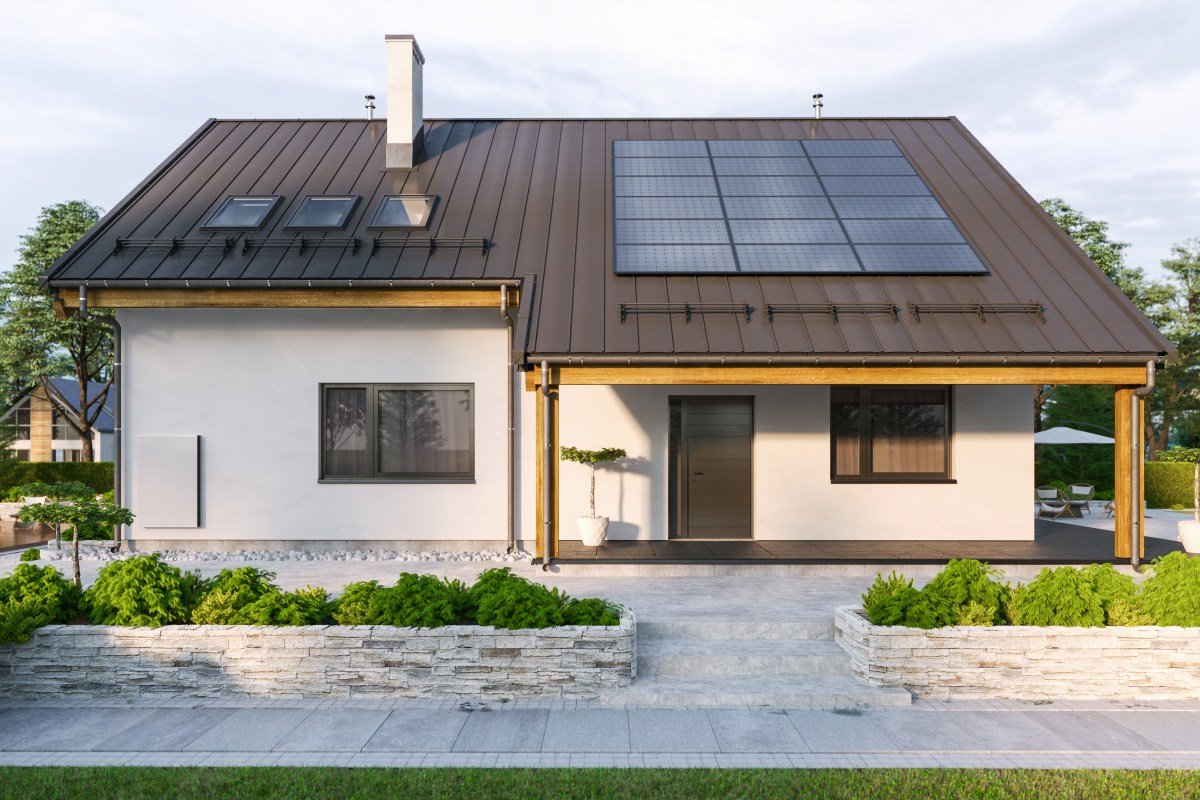
The U.S. Cybersecurity and Infrastructure Security Agency (CISA) recently issued a critical advisory detailing severe vulnerabilities in solar inverters manufactured by EG4 Electronics. These security flaws expose approximately 55,000 residential customers to potential risks, ranging from data interception to the installation of malicious firmware and total system hijacking.
The Hidden Risk in Your Garage
While the prospect of a “solar stalker” hacking an individual home remains statistically low, the incident highlights a growing systemic issue. Modern solar inverters have evolved from simple power converters into complex, network-connected hubs that monitor energy production, communicate with utility providers, and manage grid feedback.
Justin Pascale, a principal consultant at the cybersecurity firm Dragos, notes the rapid shift in industry perception: “Nobody knew what a solar inverter was five years ago. Now, it is a topic of national and international security concern.”
Security Lapses and Regulatory Gaps
The CISA advisory identified fundamental design failures in EG4’s hardware, including the use of unencrypted plain text for communication, a lack of integrity checks for firmware updates, and weak authentication protocols. Despite these findings, the company has characterized the situation as an “industry-wide problem” rather than an isolated incident.
Critics, including affected customers, have expressed frustration over the lack of proactive notification. EG4 CEO James Showalter defended the delay, describing it as a “live and learn” moment, claiming the company preferred to address the issues before alerting the public. To date, CISA reports no known public exploitation of these specific vulnerabilities.
Geopolitical Tensions and Supply Chain Anxiety
The EG4 controversy emerges alongside heightened scrutiny regarding renewable energy supply chains, particularly those linked to China. Recent investigations uncovered undocumented communication devices in various Chinese-made inverters, fueling fears of foreign interference in the U.S. power grid.
The scale of the issue is significant: China dominates the global inverter market, with companies like Huawei, Sungrow, and Ginlong Solis holding massive market shares. In response to these geopolitical risks, countries like Lithuania have already moved to restrict remote access to solar infrastructure from high-risk vendors. EG4 has stated it is now shifting its supply chain toward components manufactured in regions like Germany.
The Grid’s Distributed Vulnerability
The primary concern is not just the individual homeowner, but the cumulative impact of millions of interconnected devices. The National Institute of Standards and Technology (NIST) has warned that a coordinated attack on a large volume of residential inverters could potentially destabilize the power grid.
Currently, residential solar installations occupy a regulatory “gray zone.” The North American Electric Reliability Corporation (NERC) imposes strict Critical Infrastructure Protection standards only on large-scale facilities producing 75 megawatts or more. Smaller, residential systems lack these rigorous requirements, leaving security largely to the discretion of individual manufacturers.
Moving Toward a “Trust Upgrade”
EG4 claims it is working closely with CISA to resolve the identified vulnerabilities by October. The remediation process includes updating firmware transmission protocols, tightening identity verification for technical support, and redesigning authentication procedures. While the company views this as a “trust upgrade,” the episode serves as a stark reminder for consumers: the transition to green technology brings an unexpected, complex, and often overlooked cybersecurity burden.