
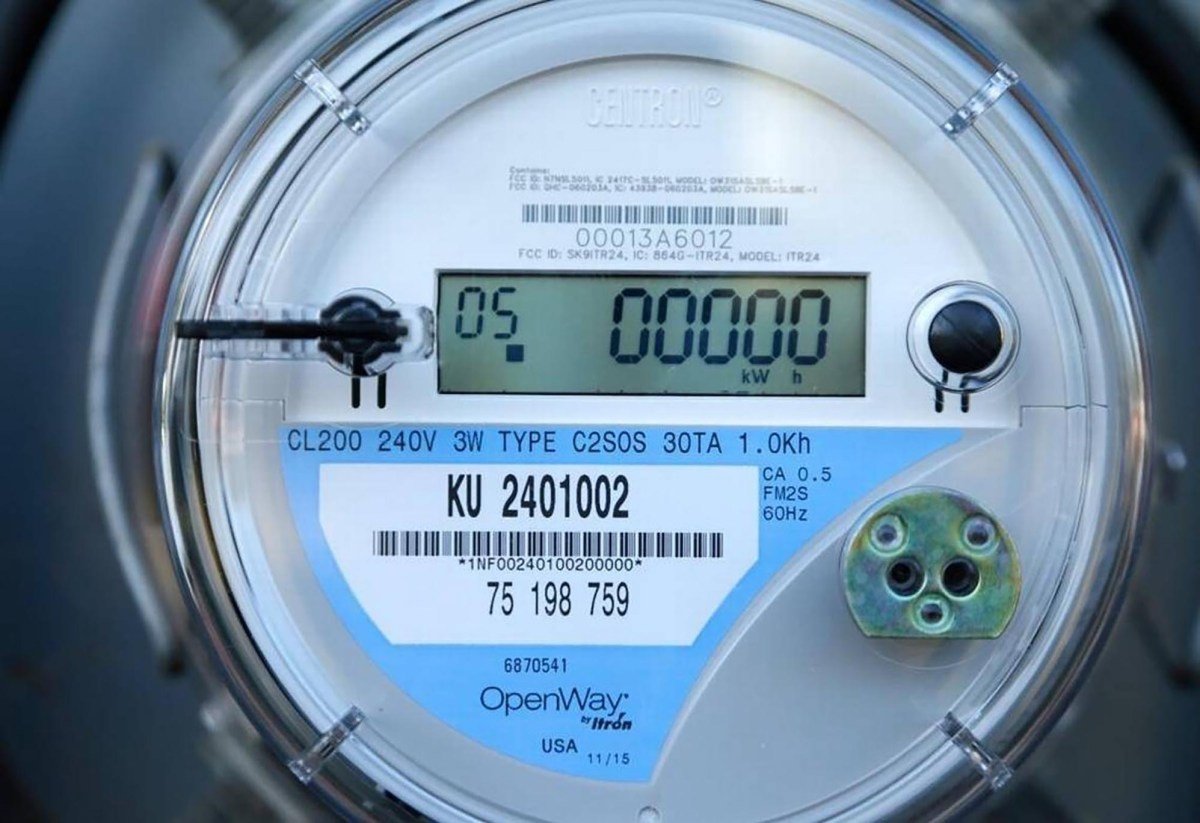
Energy technology giant Itron has confirmed a security breach after hackers gained unauthorized access to its internal systems in mid-April. The company, which manages critical infrastructure for water, gas, and electricity grids globally, disclosed the incident in a regulatory filing submitted to the U.S. Securities and Exchange Commission late Friday.
Incident Scope and Containment
According to the official report, Itron was alerted to the presence of an intruder within its network. While the company did not disclose the source of the notification, it confirmed that the threat actor has been expelled. Current monitoring shows no evidence of ongoing unauthorized access to its internal systems.
The exact nature of the cyberattack remains undisclosed. Itron has not confirmed whether the incident involved ransomware or direct communication from the attackers. However, the company stated that it has found no signs of unauthorized activity within the customer-hosted segments of its systems, indicating that the breach may be contained within its internal IT network.
Impact on Critical Infrastructure
Based in Liberty Lake, Washington, Itron is a major player in the utility sector. The company provides internet-connected smart meters and management technology to over 110 million homes and businesses worldwide, according to its corporate data. With operations spanning more than 100 countries, the company serves a vast array of municipal and city-level clients.
Despite the breach, Itron reports that its core operations have continued in all material respects. The company activated its contingency plans and data backups immediately upon discovering the intrusion. Nevertheless, the firm acknowledged that additional legal filings and regulatory notifications may be required, hinting at a potential data breach that could trigger further compliance obligations under state laws.
Law Enforcement Involvement
Itron has formally notified law enforcement agencies regarding the incident. As investigations continue, the company maintains that its systems are secure, though it remains under pressure to provide more transparency regarding the depth of the compromise and the potential exposure of sensitive data.