
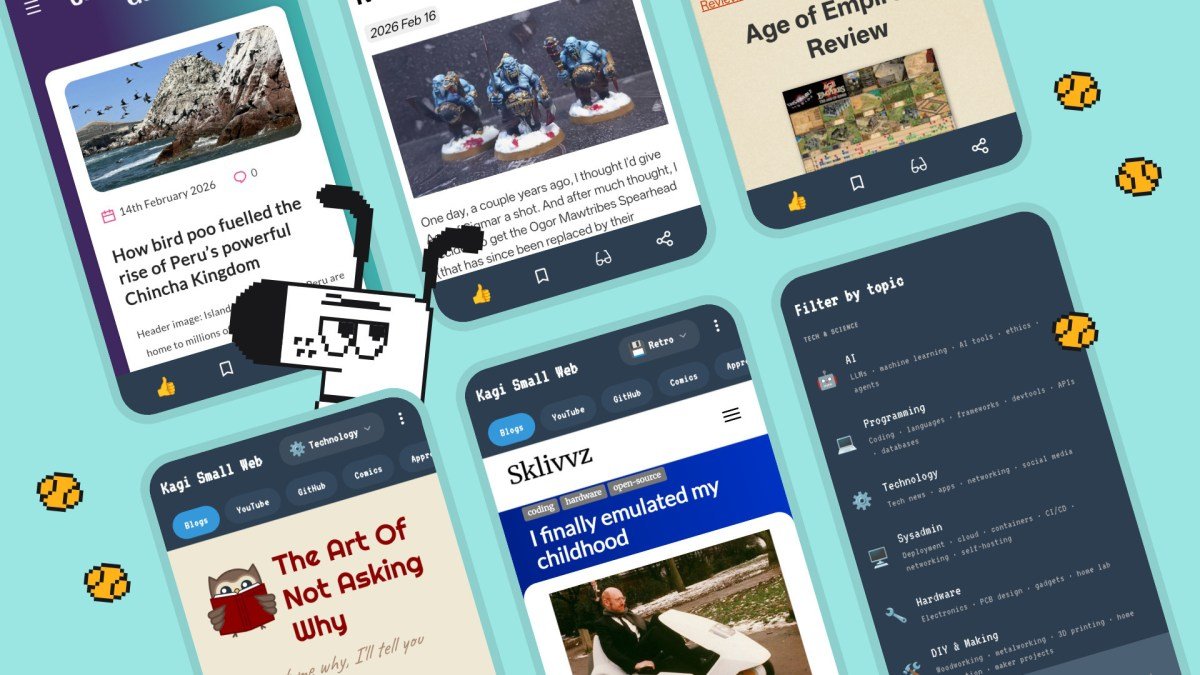
The Palo Alto-based search engine Kagi is officially expanding its “Small Web” initiative to mobile platforms, launching dedicated applications for iOS and Android. This move brings a handpicked collection of non-commercial, human-authored content—ranging from personal blogs and webcomics to independent videos—directly to smartphone users.
Preserving the Human Web in the AI Era
As the internet becomes increasingly saturated with AI-generated content, Kagi aims to preserve the spirit of the early web. The “Small Web” project focuses on properties created by individuals, distancing itself from the ad-supported business models and corporate-controlled platforms that dominate modern search results. By prioritizing content authored by humans, Kagi provides a sanctuary from the automated noise currently flooding the digital landscape.
From Discovery to Mobile Experience
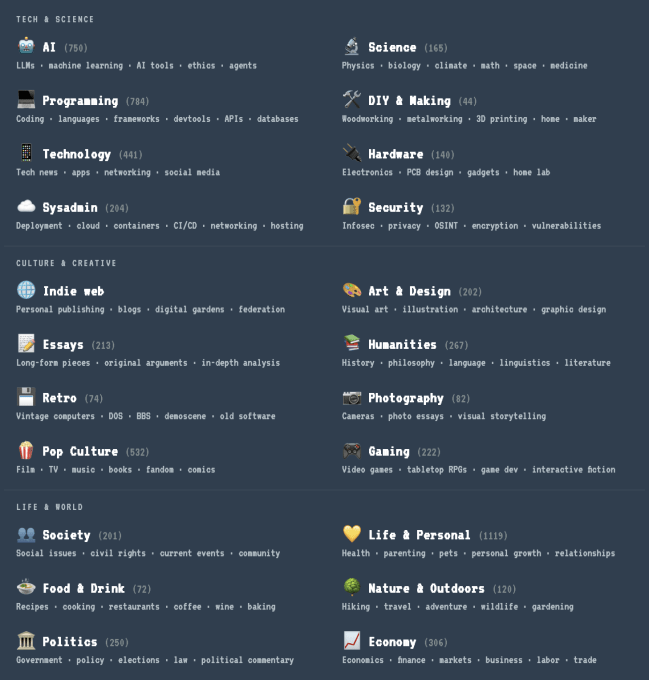
First introduced in 2023, the Small Web initiative has evolved from a simple search feature into a robust discovery tool. Much like the classic platform StumbleUpon, the Small Web website allows users to randomly explore curated sites, clicking “next” to discover hidden gems. With the latest update, Kagi has introduced category filtering, allowing users to navigate over 30,000 indexed sites based on specific interests.
The new mobile apps and browser extensions enhance this experience by offering:
- Distraction-free reading modes.
- Customizable content feeds (videos, code repositories, blogs, comics).
- The ability to save favorite articles and sites for future reference.
- Access to lists of trending or recently viewed content.
Community Criticism and Future Growth
Despite the initiative’s noble goals, the implementation has faced scrutiny from the Kagi community. On platforms like Hacker News, users have pointed out that the current selection is restricted to sites with active RSS feeds, potentially excluding experimental or single-purpose websites. Furthermore, concerns have been raised regarding the quality of curation, with some users reporting instances of AI-written content slipping into the “human-authored” collection.
Kagi continues to refine the project, positioning it as a potential pillar for the company’s broader goal of becoming a viable alternative to Google. For those looking to shape the future of this project, the company encourages community involvement through their GitHub page, where users can submit and suggest new sites for inclusion.