
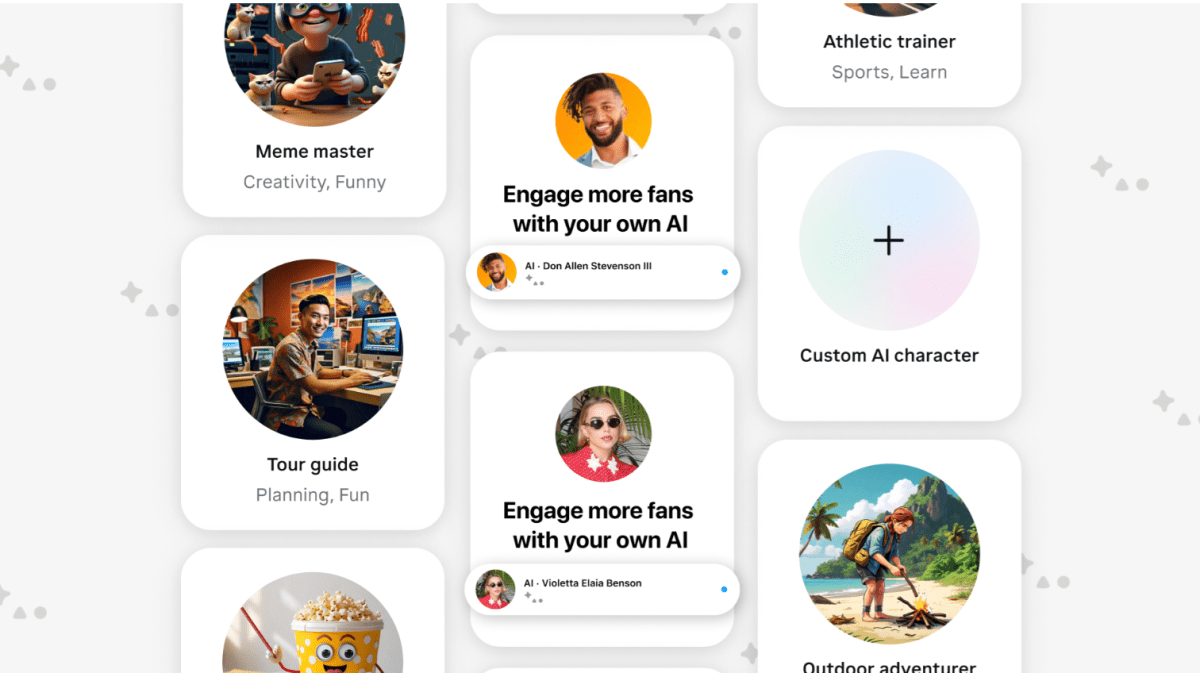
Meta is rolling out a new feature for its AI chatbots on WhatsApp, Messenger, and Instagram that allows them to initiate conversations with users. Leaked documents from data-labeling firm Alignerr reveal that Meta is training customizable AI personas to send proactive messages, effectively turning static bots into active participants in user interactions.
How Proactive AI Messaging Works
The feature, which Meta has confirmed is currently in testing, is designed to keep users engaged by following up on previous discussions. However, the system includes specific guardrails to prevent spam-like behavior:
- Engagement Threshold: Bots will only trigger a follow-up if a user has sent at least five messages to the AI within a 14-day window.
- Persistence Limits: If a user does not respond to the initial proactive message, the chatbot will cease further attempts.
- Customization: Users can create these personas via Meta’s AI Studio and share them through stories, direct links, or profile displays.
Meta claims this functionality aims to foster “meaningful conversations,” allowing users to explore topics of interest more deeply. This strategic shift aligns with industry trends seen in platforms like Character.AI and Replika, which utilize proactive messaging to simulate AI companionship.
Safety Concerns and Regulatory Scrutiny
The move into proactive AI interaction brings significant safety risks. The industry is currently under intense scrutiny following reports and lawsuits involving AI bots allegedly influencing vulnerable users. When questioned about safety protocols, Meta pointed to existing disclaimers stating that AI responses may be inaccurate and should not be treated as professional, medical, or legal advice.
Despite these warnings, questions regarding age restrictions remain. While Meta enforces specific limitations in regions like Tennessee and Puerto Rico, there is no blanket age restriction for engagement with Meta AI across the platform.
The Business Model: Monetizing Loneliness
While Meta frames this development as a solution to the “loneliness epidemic,” the broader context is deeply rooted in financial growth. Meta’s business model remains heavily reliant on advertising revenue, and keeping users active on its apps is essential for ad impressions.
Financial projections unsealed in court documents highlight the high stakes:
- 2025 Revenue Forecast: Meta expects generative AI products to generate between $2 billion and $3 billion.
- Long-term Growth: Estimates suggest AI revenue could reach $1.4 trillion by 2035, largely driven by the Llama model ecosystem.
Meta has remained tight-lipped regarding the future commercialization of these chatbots, declining to comment on potential ad integration, sponsored replies, or future synergy with its Horizon virtual reality platform. As the company continues to refine its AI, the balance between user engagement and invasive digital behavior remains a critical point of tension for the tech giant.