
Meta has officially launched “Vibes,” a dedicated short-form video feed integrated into the Meta AI app and meta.ai. Designed for creating and sharing AI-generated clips, the platform functions similarly to TikTok or Instagram Reels, but relies entirely on synthetic media.
How Vibes Works: Creation and Customization
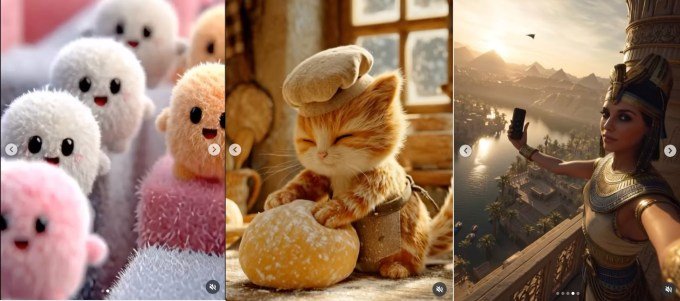
Meta CEO Mark Zuckerberg introduced the feature via an Instagram post showcasing various AI-generated scenarios, ranging from surreal creatures to historical figures taking selfies. The platform allows users to:
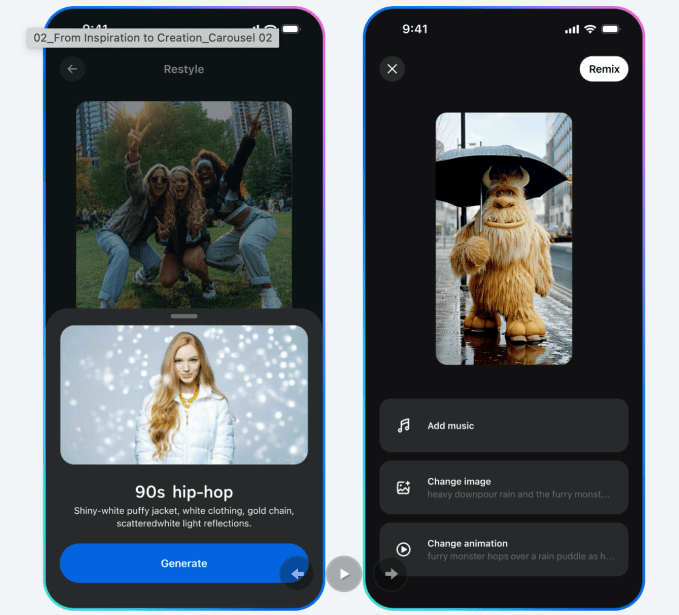
- Generate videos from scratch using text prompts.
- Remix existing videos found within the feed.
- Layer custom music, modify visuals, and adjust artistic styles before publishing.
Once finalized, content can be posted directly to the Vibes feed, shared via direct messages, or cross-posted to Instagram and Facebook Stories and Reels.
Strategic Partnerships and Technical Foundation
According to Alexandr Wang, Meta’s chief AI officer, the company is leveraging external expertise to power this early version of Vibes. Meta has partnered with Midjourney and Black Forest Labs to provide the underlying image generation technology while the company continues to refine its own proprietary AI models.
Market Backlash and Strategic Contradictions
The reception to the launch has been overwhelmingly negative. Users on social media have criticized the move, labeling the content as “AI slop” and questioning the necessity of an AI-only feed. This skepticism is compounded by the fact that Meta previously urged creators to prioritize “authentic storytelling” over low-value, unoriginal short-form content.
The introduction of Vibes highlights the tension between Meta’s push to compete with OpenAI, Anthropic, and Google DeepMind and its desire to maintain platform quality. Following a restructuring of its AI division—which included the creation of “Meta Superintelligence Labs” and a reorganization into four distinct groups—the company is under immense pressure to prove its relevance in the generative AI race, even if that means flooding its ecosystem with synthetic content.