
Following the catastrophic CrowdStrike outage in July, Microsoft is aggressively overhauling its Windows security architecture. At the Microsoft Ignite 2024 conference, the tech giant detailed a series of strategic updates designed to bolster system resilience, restrict kernel-level access, and streamline remote recovery processes, aiming to restore confidence in its enterprise ecosystem.
Advanced Recovery and Kernel Protection
A critical shift arrives in early 2025 with the launch of Quick Machine Recovery. This feature empowers IT administrators to execute remote software repairs on Windows machines, even when the devices are unable to boot. This capability provides a vital safety net for organizations facing widespread technical failures.
Furthermore, Microsoft is moving to restrict security software from operating within the “kernel mode”—the core of the Windows operating system. By transitioning these products to run similarly to standard applications, the company aims to prevent faulty updates from crashing the entire system, a direct response to the CrowdStrike incident.
“This change will help security developers provide a high level of security and easier recovery, with less impact to Windows in the event of a crash,” stated David Weston, Microsoft VP of enterprise and OS security.
Administrator Protection and Identity Security
Microsoft is also introducing Administrator Protection, a new feature designed to harden user accounts. This tool allows standard users to perform system-level tasks by creating a temporary, isolated token that grants elevated privileges only for the duration of the required action.
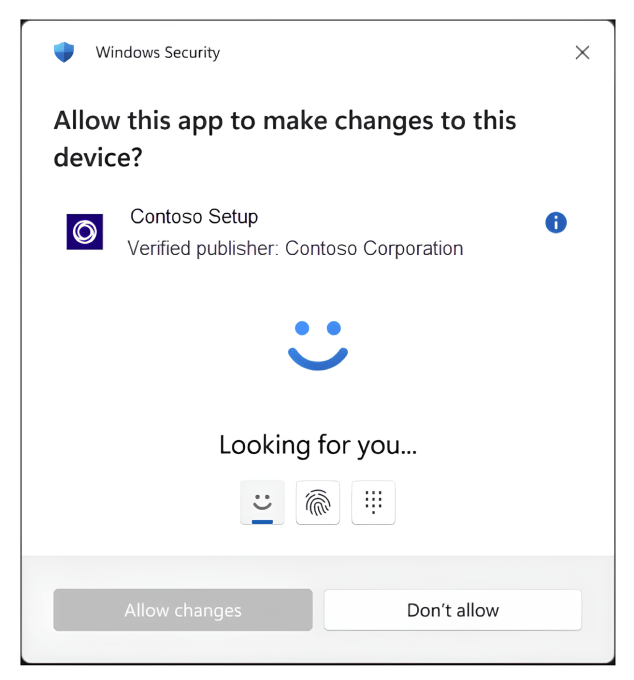
“If a system change requires administrator rights, the user is prompted to securely authorize the change using Windows Hello,” Weston explained. This mechanism not only adds a layer of biometric verification but also makes it significantly harder for attackers to gain automatic, direct access to critical system architecture.
Streamlining Updates with Hot-Patching
To ensure systems remain protected without disrupting productivity, Microsoft is previewing hot-patching for Windows 11 Enterprise 24H2 and Windows 365. This allows for background updates that apply immediately, removing the traditional requirement for a device restart and reducing the likelihood of users delaying essential security patches.
Addressing Systemic Security Criticism
These initiatives come as Microsoft faces intense scrutiny regarding its handling of recent outages and failures to prevent state-sponsored cyberattacks. U.S. government reports have previously criticized the company’s corporate culture for deprioritizing security investments.
In response, CEO Satya Nadella has positioned security as the company’s primary focus. Microsoft has mobilized the equivalent of 34,000 full-time engineers to revamp its cybersecurity practices, integrated security metrics into employee performance reviews, and appointed over a dozen deputy chief information security officers to oversee specific product groups.