
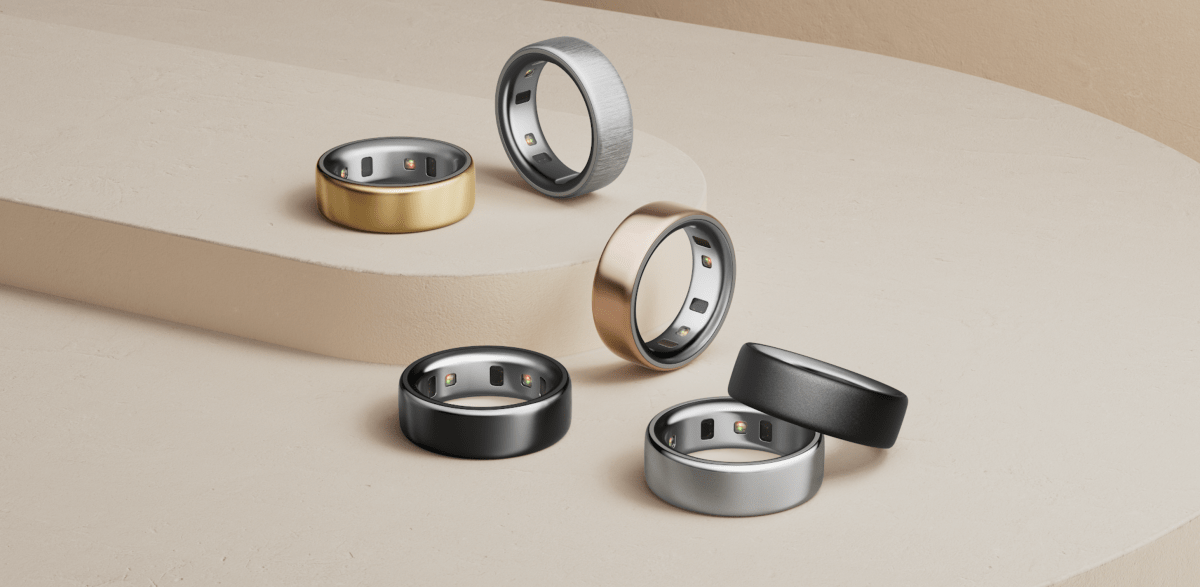
Finnish health-tech leader Oura has officially entered the Indian market, launching its flagship Oura Ring 4. The move signals a direct challenge to local incumbents like Ultrahuman, aiming to capture a share of India’s nascent but increasingly price-sensitive smart ring segment.
Pricing Strategy and Market Positioning
Oura is positioning the Ring 4 as a high-end wellness device, distancing itself from the wave of low-cost wearables currently flooding the region. The device is priced between ₹28,900 ($313) and ₹39,900 ($432), coupled with a mandatory monthly subscription of ₹599 ($6). This mirrors the company’s U.S. model, where the ring starts at $349 with a $5.99 monthly fee.
In contrast, domestic rival Ultrahuman offers its Ring Air at ₹28,499 ($308), with its newer Ring Pro retailing at ₹42,990 ($465). While local competitors often prioritize aggressive pricing, Oura intends to lean on its comprehensive software ecosystem, which provides personalized diagnostics for sleep, recovery, and daily activity levels.
The State of India’s Smart Ring Market
Data from IDC paints a challenging picture for the category. Smart ring shipments in India plummeted 30.6% in 2025 compared to the previous year, with average selling prices dropping 8.7% to $159.7.
Vikas Sharma, senior market analyst for wearable devices at IDC, notes that the category remains a niche. “The segment saw initial momentum as an emerging tech trend, but that growth has not been sustained,” Sharma stated. He attributes this stagnation to limited consumer awareness, high price points, and a lack of a broader ecosystem to drive innovation. Currently, the market is dominated by Ultrahuman, which held a 30.4% share last year, followed by Gabit at 18.3%.
Global Rivalry and Legal Tensions
The competition between Oura and Ultrahuman transcends borders. Oura previously initiated legal action against the Bengaluru-based firm in the United States, which impacted the availability of the Ring Air. In response, Ultrahuman claims to have redesigned its new Ring Pro to circumvent Oura’s patent portfolio, submitting the hardware to U.S. Customs and Border Protection to ensure legal import compliance.
Consumer Insights and Future Outlook
To mark its Indian debut, Oura published an analysis of sleep patterns among its users in the country, tracked from October 2024 to September 2025. The data revealed that Indian users average only six hours and 28 minutes of sleep per night—falling short of global health recommendations—and spend less time in restorative sleep stages compared to international averages.
While the rising interest in health and wellness presents a clear opportunity, the ultimate success of premium subscription-based devices in India remains uncertain. Industry experts suggest that the market’s scalability will depend heavily on increased competition and further diversification in product positioning.