Regaining control over your personal data is a priority in an era where digital services are increasingly consolidated under corporate giants. If you are concerned about surveillance, data hoarding, or the monetization of your private records, there are powerful, open-source alternatives available that prioritize user autonomy over corporate interests.
Wallabag: The Private “Read-Later” Solution
For those who rely on services like Pocket to save articles, Wallabag offers a robust, privacy-focused alternative. Unlike commercial rivals that track your reading habits to serve sponsored content, Wallabag allows you to archive web pages for offline reading on your own terms.
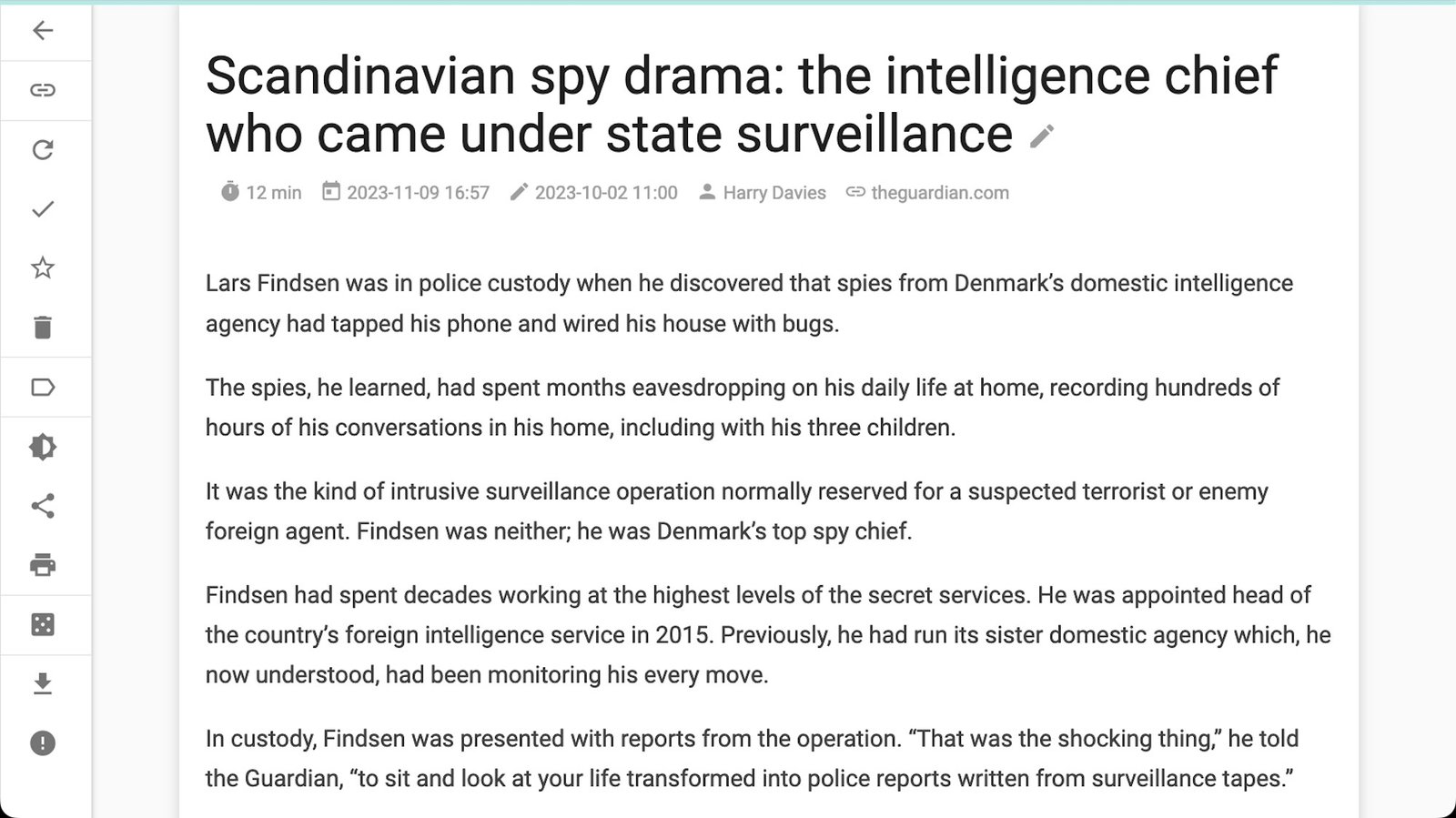
You can host your own Wallabag server for free on a home NAS or opt for a low-cost cloud subscription via their official hosting service.
Signal: The Gold Standard for Encrypted Messaging
Signal remains the premier choice for secure communication. By design, the app collects virtually no metadata about its users. Its commitment to privacy is so rigorous that it has publicly disclosed search warrants it received, proving it simply does not possess the data authorities seek. As a nonprofit, it is entirely funded by donations.
Nextcloud: Self-Hosted File Management
If you want to move away from Dropbox or Google Drive, Nextcloud provides a comprehensive suite for document editing and file storage. It offers end-to-end encryption, ensuring your files remain private. You can manage your own server at home or utilize a professional provider to maintain total control over your digital documents.
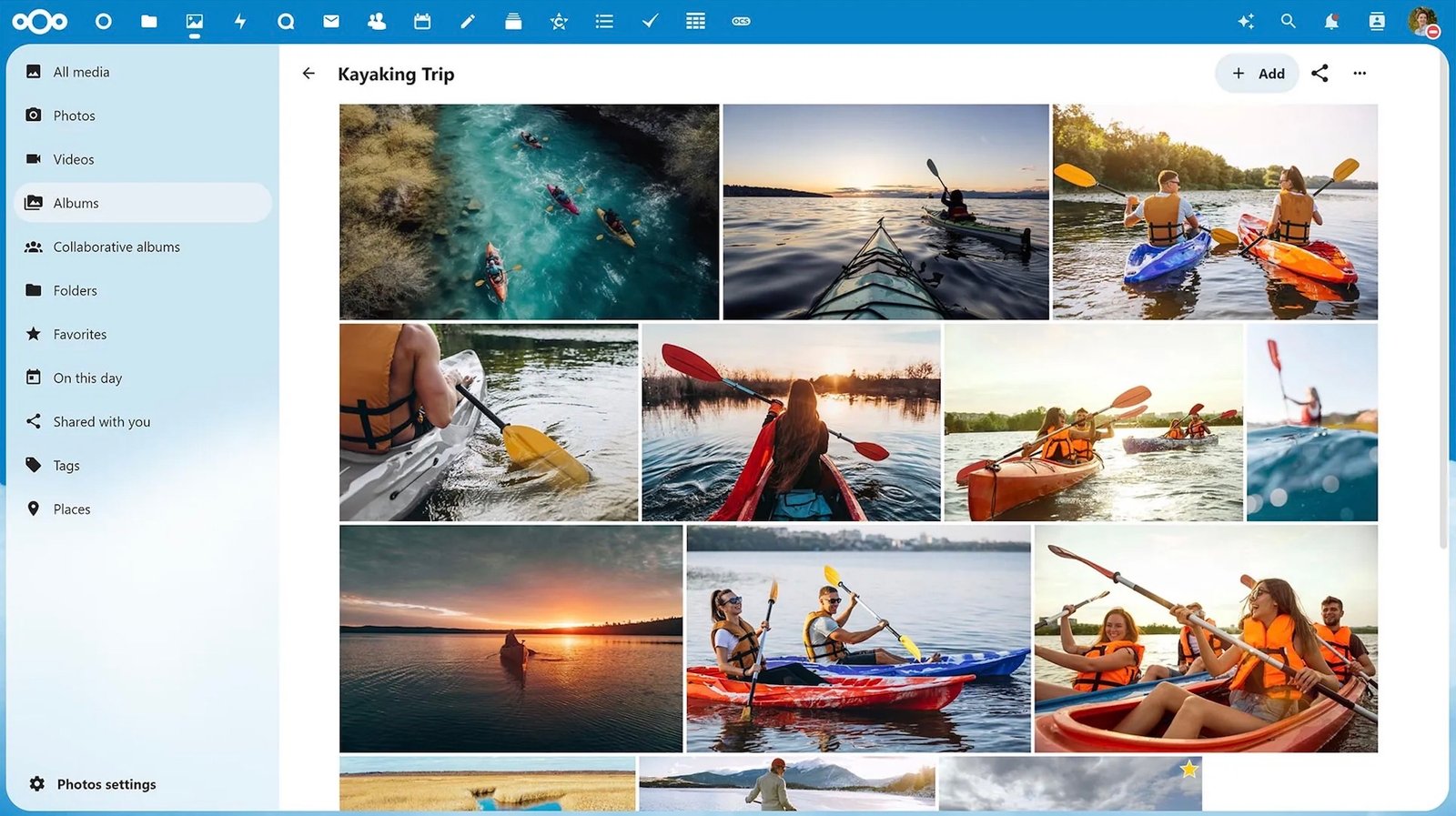
Hosting your own storage ensures you avoid the risk of being locked out of your account due to automated AI scanning or sudden policy changes by cloud providers.
Bitwarden: Secure Password Management
Bitwarden is a leading open-source password manager. Because its code is transparent and frequently audited, it offers a higher degree of trust than many proprietary alternatives. It securely stores credentials, passkeys, and sensitive data across all your devices.
Note-Taking and Productivity Alternatives
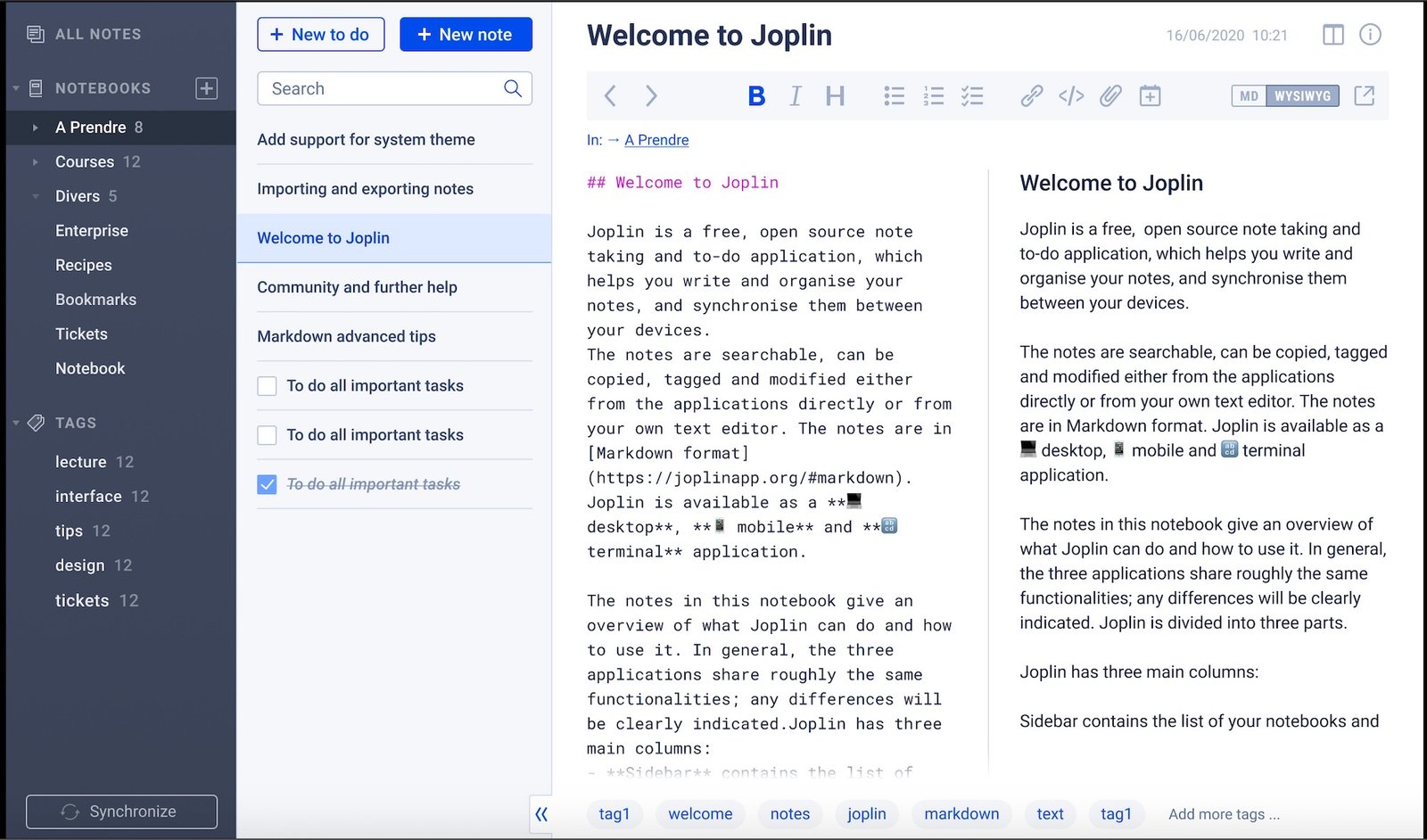
For those looking to exit the Google or Microsoft ecosystems, apps like Joplin and Notesnook offer end-to-end encrypted environments for your thoughts and documents. Additionally, LibreOffice serves as a powerful, privacy-first alternative to Microsoft Office for offline document processing.
Ente: Encrypted Photo Vault
Ente.io is a direct competitor to Google Photos and Apple Photos. It focuses on zero-knowledge encryption, meaning only you hold the keys to your images. It is an ideal solution for those who want to avoid having their personal photos scanned by third-party AI models for tagging or facial recognition.
Pi-hole: Network-Level Ad Blocking
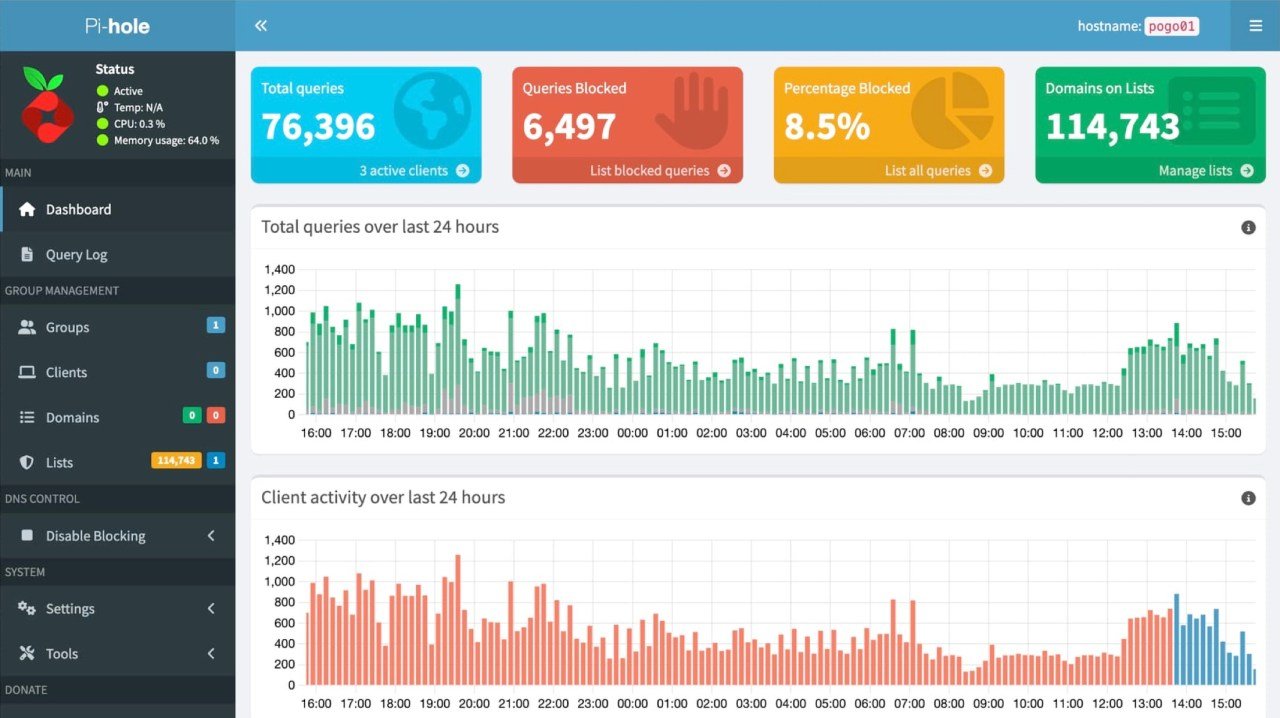
Ads are not just annoying; they are often vectors for tracking and malware. A Pi-hole acts as a network-wide ad blocker, stopping unwanted traffic at the router level. This protects every device on your network, including smart TVs and IoT gadgets.
Secure VPNs and Home Automation
Instead of relying on commercial VPNs that may log your data, you can use Tailscale, built on the WireGuard protocol, to create your own encrypted virtual network. For smart home enthusiasts, Home Assistant allows for local control of your devices, preventing reliance on external servers that could be shut down by manufacturers.
Essential Tools for Documents and News
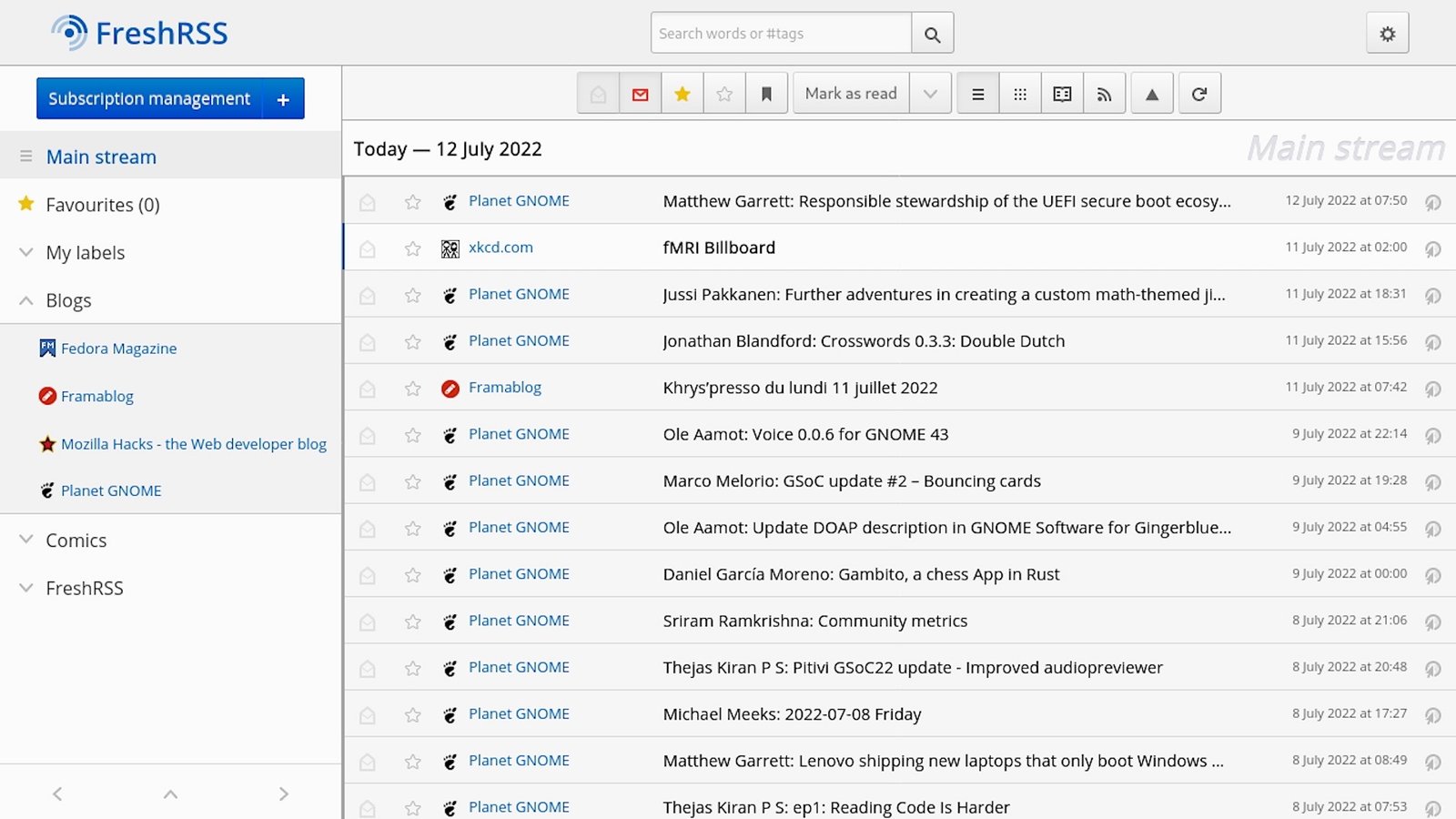
For document scanning, Open Scanner offers a simple, open-source alternative to bloated commercial apps. To stay informed without the tracking inherent in many news apps, FreshRSS allows you to aggregate your own news feeds into a personal digital newspaper. Finally, for PDF management, Stirling PDF provides a comprehensive, self-hosted toolkit for editing and converting documents without uploading them to potentially invasive third-party sites.