
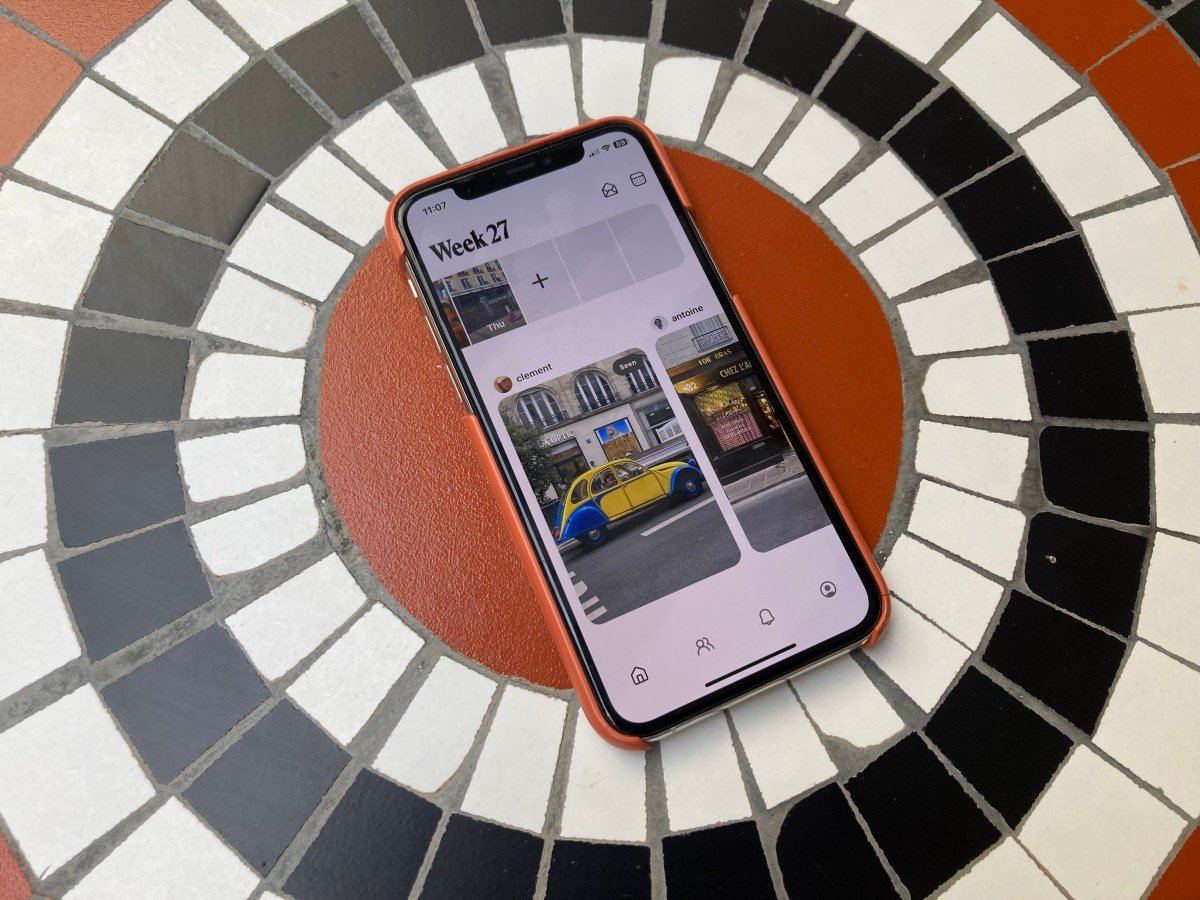
The photo-sharing platform Retro has officially rolled out “Rewind,” a new feature designed to transform how users interact with their device’s camera roll. Aimed at its community of approximately one million users, the update allows individuals to “time-travel” through past photos, offering a private, nostalgic experience that stands in stark contrast to the algorithm-heavy feeds of major social networks.
A Private Journey Through Your Camera Roll
While Retro’s primary function remains sharing weekly updates with a curated group of friends, Rewind shifts the focus inward. The feature acts as a personal archive, surfacing old photos that might otherwise be forgotten in the digital “ether.” Co-founder Nathan Sharp notes that while people are capturing more images than ever, they are doing less with them. Rewind aims to solve this by providing a dedicated space to rediscover those moments.
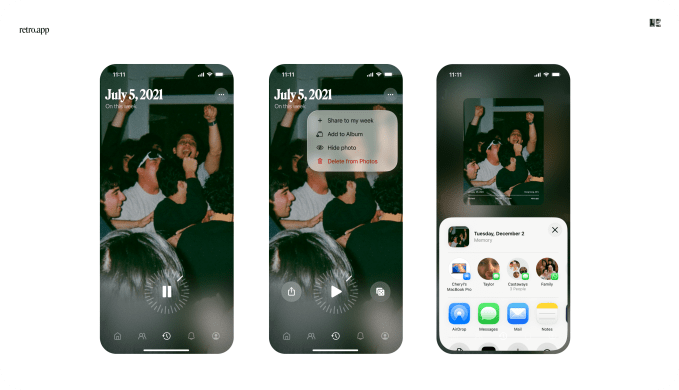
The interface is designed for discovery. Users can access Rewind via a tab in the bottom navigation bar or by tapping a card at the end of their weekly shared feed. Once activated, the app utilizes a haptic-enabled dial—reminiscent of the iconic iPod click wheel—allowing users to scroll back in time with tactile feedback.

Interactive Features and User Control
Retro has integrated several intuitive controls into the Rewind experience:
- Tactile Navigation: Spin the dial to move forward or backward in time, feeling a vibration as memories load.
- Privacy-First Sharing: Memories are private by default. Users can choose to share specific photos with friends, which will automatically include a timestamp to provide context.
- Curated Cleanup: Users can hide specific photos or use a “dice” icon to trigger a random memory.
- Smart Deletion: Deleting a photo within the Retro app also removes it from the phone’s camera roll, helping users declutter their storage.

Why Retro Isn’t Worried About Big Tech Competition
Although “memories” features have been popularized by Timehop and later integrated into Facebook, Google Photos, and Apple Photos, Sharp remains unfazed by the competition. He argues that Retro occupies a unique position in the digital ecosystem.
“People will always want to see more of their friends,” Sharp explains. He differentiates Retro from cloud storage utilities like Apple or Google Photos, which are viewed as management tools, and Facebook, which he believes has shifted away from authentic peer-to-peer connection in favor of ads and content feeds.
With nearly 46% of its user base engaging with the app daily, the introduction of Rewind is a strategic move to deepen that retention, offering a human-centric alternative to the rise of AI-generated content and automated algorithmic feeds.