
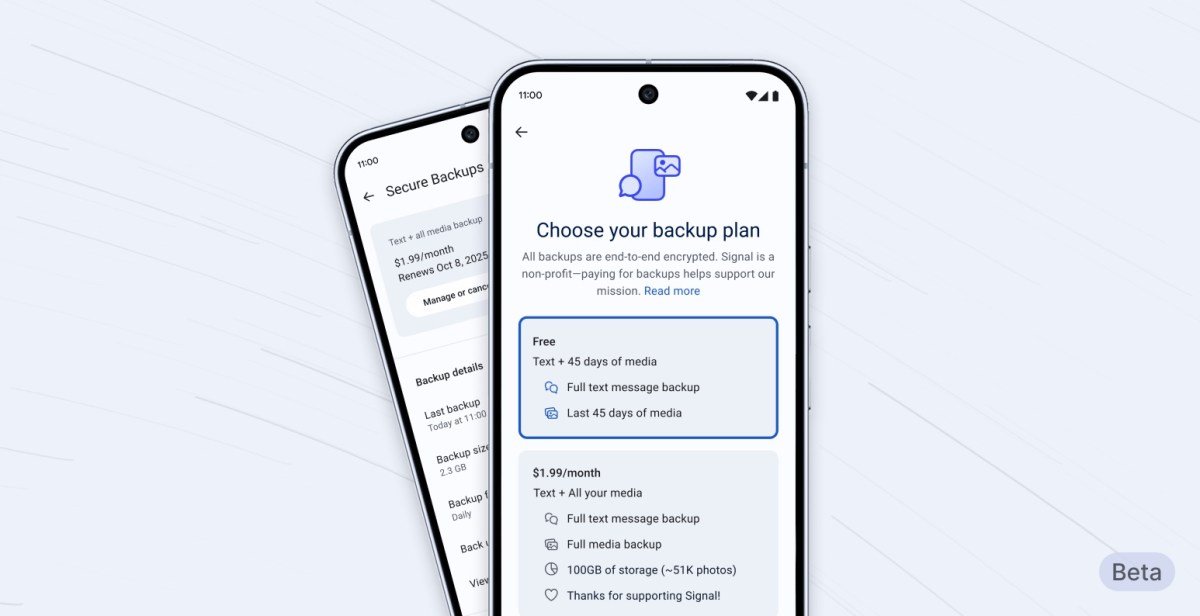
Signal officially announced on Monday the rollout of a long-awaited cloud backup feature. The privacy-centric messaging app now allows users to secure their text conversations and recent media, introducing both a free tier and its first-ever paid subscription model to cover storage costs.
Solving the Data Loss Problem
Historically, Signal did not support cloud backups, leaving users vulnerable to data loss if their devices were damaged or misplaced. While manual device-to-device transfers were possible, the lack of a cloud-based solution remained a significant hurdle for the platform. This new update addresses that gap, significantly increasing the app’s utility for users who prioritize secure, persistent messaging.
Free vs. Paid Storage Options
Signal is segmenting its new backup service into two distinct categories to accommodate different user needs:
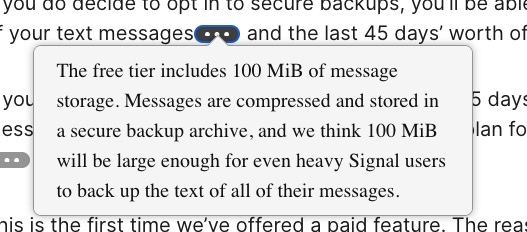
- Free Tier: Provides 100MB of storage, covering all text conversations and media shared within the last 45 days. Signal notes that messages are compressed, making 100MB sufficient for even high-volume users.
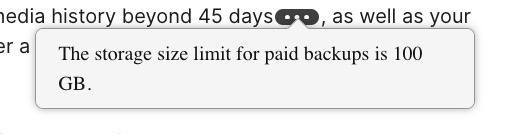
- Paid Tier: For users requiring more extensive storage, Signal offers a $1.99 monthly plan that expands capacity to 100GB, allowing for long-term media retention.
Zero-Knowledge Security Architecture
Maintaining its commitment to privacy, Signal employs zero-knowledge technology for these backups. This ensures that the stored data is not tied to a specific user identity or payment method. To access the backups, the system generates a 64-character recovery key directly on the user’s device, ensuring that only the user can decrypt their history. This approach mirrors the optional end-to-end encrypted backups found on competitors like WhatsApp, but with Signal’s stricter privacy protocols.
Availability and Future Roadmap
The backup feature is currently available exclusively on the beta version of the Android app. However, the company confirmed that cross-platform support is in development. Future updates are expected to provide users with more flexibility, including the ability to save backup archives to third-party storage locations and seamless migration of message history across different operating systems.