

Snapchat has rolled out significant updates to its “Family Center” parental control suite, providing guardians with deeper visibility into teen screen time and social interactions. The move comes just two days after the company reached a settlement in a high-profile lawsuit alleging the platform contributed to social media addiction and mental health struggles among minors.
Enhanced Insights Into Teen Activity
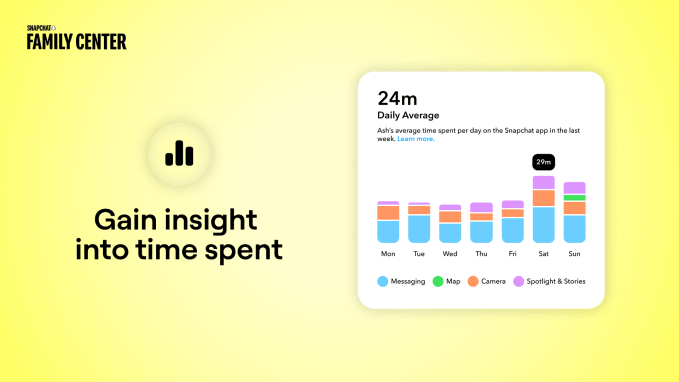
The updated tools allow parents to monitor the average daily time their teens spend on Snapchat over the past week. This data provides a granular breakdown, showing how much time is dedicated to specific app features, such as direct messaging, camera usage, the Snap Map, and content consumption on Spotlight or Stories.
New Transparency for Friend Connections
Beyond screen time, Snap has improved its friend-monitoring capabilities. While parents could previously view a full list of their teen’s contacts, they can now see “trust signals” explaining how a new connection was made. These details include whether the teen and the new user share mutual friends, are saved in each other’s contacts, or belong to the same communities.
In a recent blog post, the company stated that these signals are designed to foster productive, informed conversations between parents and teens regarding their digital social circles.
Regulatory Pressure and Legal Context
Snap originally launched the Family Center in 2022 to address mounting regulatory pressure regarding the safety of minors. Since then, the platform has expanded the tool to include time-limit settings, interaction logs, and the ability to restrict access to the “My AI” chatbot.
The latest updates arrive on the heels of a settlement regarding a lawsuit involving a 19-year-old plaintiff, who claimed that platform design choices and algorithms fueled addictive behaviors. While Snap has settled this specific case, the company remains a defendant in multiple ongoing lawsuits. Similar litigation against Meta, TikTok, and YouTube is currently moving toward jury selection.
Public scrutiny remains high, particularly following the disclosure of internal documents suggesting that Snap employees flagged potential risks to teen mental health as early as nine years ago. The company maintains that these documents were presented out of context.