
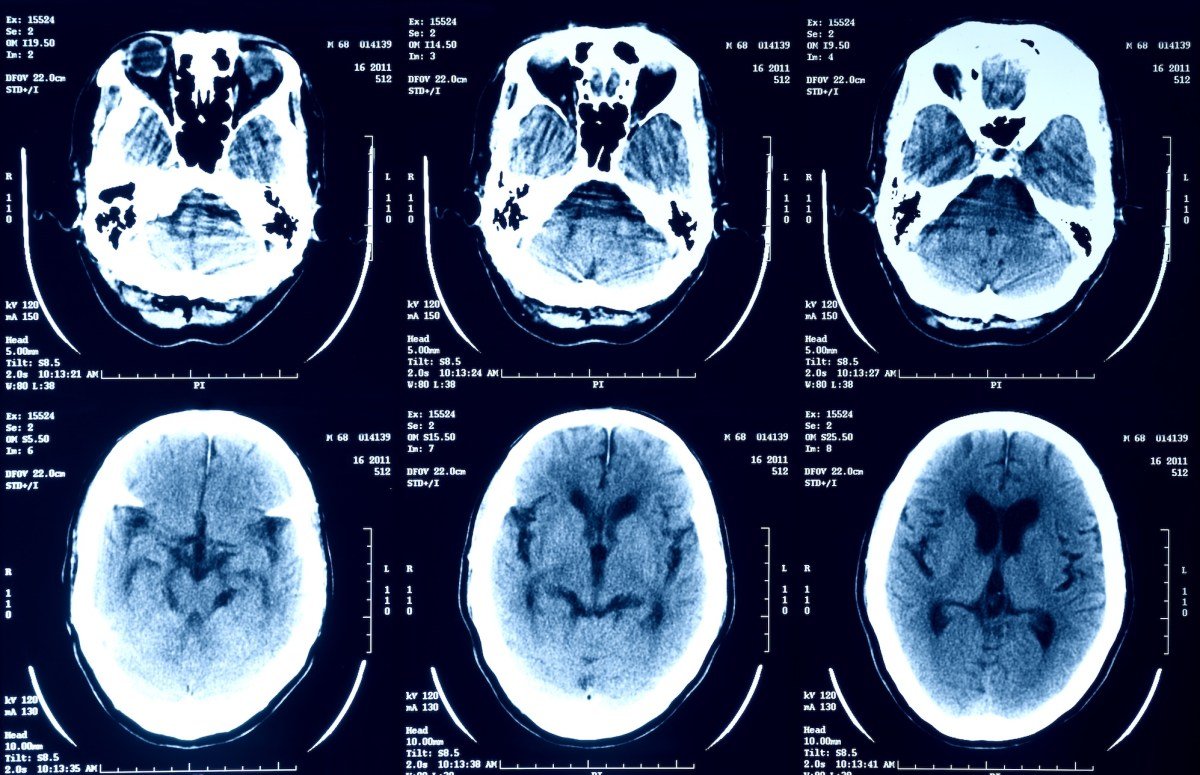
Security experts and privacy advocates are issuing a critical warning: stop uploading sensitive medical records, including X-rays, MRIs, and PET scans, to generative AI chatbots. Despite the convenience of instant analysis, sharing private health data with tools like OpenAI’s ChatGPT, Google’s Gemini, or X’s Grok poses severe risks to your long-term digital privacy.
The Hidden Risks of AI Data Training
Generative AI models are fundamentally designed to learn from the data they process. When you upload a medical scan, you aren’t just getting an interpretation; you are potentially feeding your private health information into a massive training dataset. Companies often use this input to refine their models, but the lack of transparency regarding how this data is stored, shared, or protected remains a major concern.
Users have already discovered their private medical records surfacing in public AI training datasets. This exposure could allow unauthorized parties—including future employers, insurance providers, or government agencies—to access sensitive information you never intended to share publicly.
Why HIPAA Won’t Save You
A common misconception is that medical data is always protected by federal law. However, most consumer-facing AI apps are not covered under the U.S. Health Insurance Portability and Accountability Act (HIPAA). By uploading your records to these platforms, you are effectively waiving the stringent protections that govern professional healthcare providers.
The Grok Experiment
The issue has gained urgency after X owner Elon Musk publicly encouraged users to submit their medical imagery to Grok. While Musk admitted the tool is in an “early stage,” the goal is for the AI to improve its diagnostic accuracy through user submissions.
However, the privacy implications are murky. As recently reported, Grok’s privacy policy explicitly states that X shares personal information with an unspecified number of “related” companies. Users are essentially trusting these corporations to handle their most private biological data without clear oversight or guaranteed safeguards.
Ultimately, once data is uploaded to the internet, it is nearly impossible to retract. Before seeking medical insights from an AI, consider that the cost of immediate convenience may be the permanent loss of your health data privacy.