

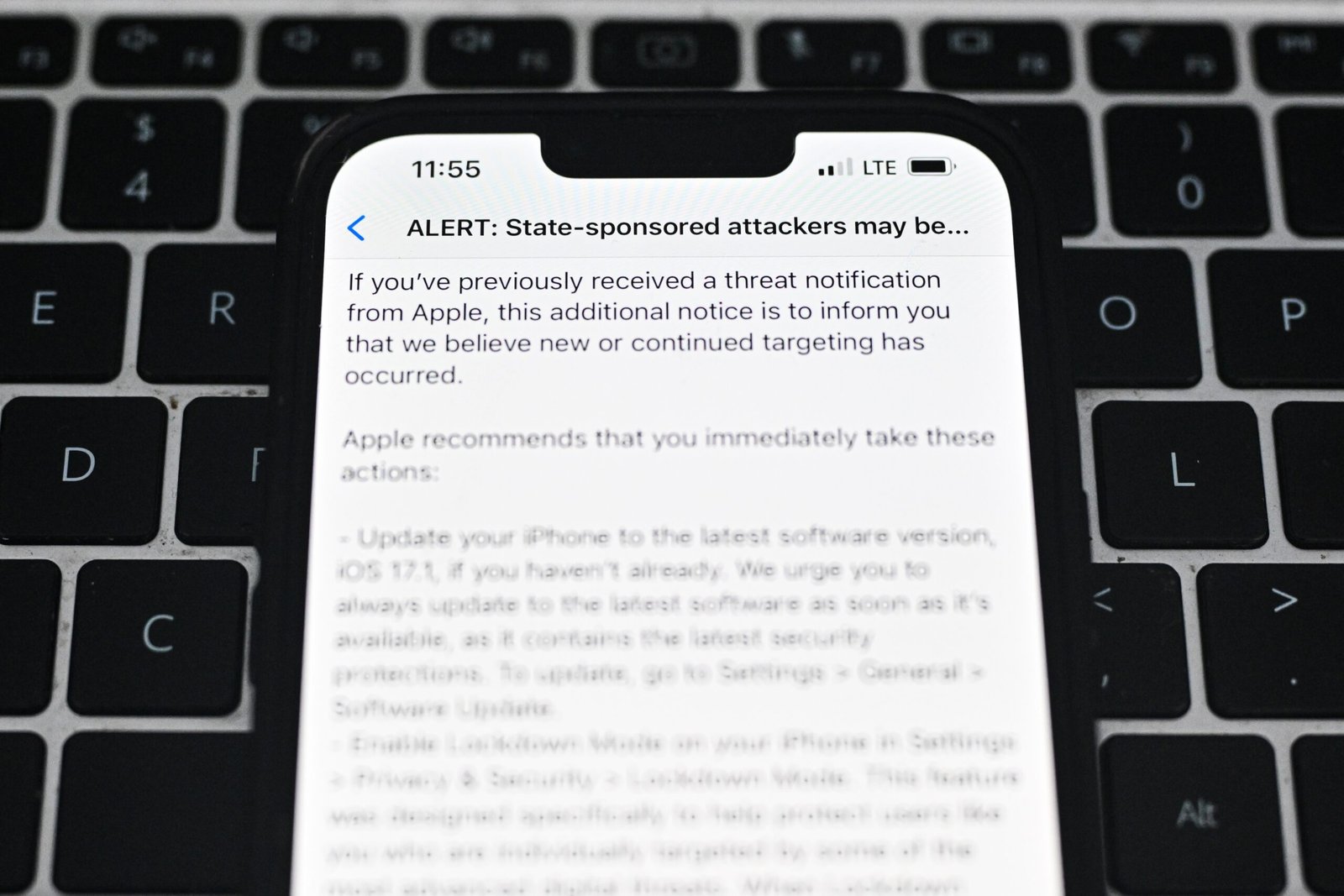
Receiving a notification from Apple, Google, or WhatsApp alerting you to a “targeted mercenary spyware attack” is an experience that triggers immediate panic. These warnings, which confirm you have been targeted by sophisticated government-backed hackers, are becoming increasingly common as tech giants take a proactive stance against surveillance firms like NSO Group, Intellexa, and Paragon Solutions.
When Jay Gibson, a former industry insider, received such a notification on his iPhone, his first reaction was to isolate the device and seek a replacement. While tech companies identify these threats using vast amounts of telemetry data, they do not provide hands-on recovery services. Once the alert is issued, the burden of security falls entirely on the user.
Immediate Steps: How to Respond to an Alert
If you receive a warning, do not ignore it. These alerts are highly accurate and backed by teams of security experts who track malicious activity globally. Note that receiving an alert does not always mean a successful breach; in many cases, it signifies a failed attempt.
- Apple Users: Immediately enable Lockdown Mode. This feature restricts specific device functions to harden your phone against complex exploits.
- Google/Android Users: Audit your account security. Enable multi-factor authentication using a physical security key and enroll in Google’s Advanced Protection Program.
- General Hygiene: Keep all software and operating systems updated, restart your device regularly, and remain hyper-vigilant regarding suspicious links or attachments.
Where to Seek Expert Forensic Help
If you are a member of civil society—including journalists, activists, academics, or dissidents—specialized organizations offer forensic support to investigate potential infections:
- Access Now’s Digital Security Helpline
- Amnesty International’s Security Lab
- The Citizen Lab (University of Toronto)
- Reporters Without Borders (RSF)
For those outside of these categories, such as corporate executives or political figures, private security firms provide professional forensic investigations. Options include iVerify, Safety Sync Group, Hexordia, Lookout, and TLPBLACK.
The Investigation Process
Forensic analysis typically begins with remote diagnostic logs. If investigators find signs of compromise, they may request a full device backup or the physical hardware for an in-depth audit. This process is time-consuming, as modern government-grade spyware is designed to use “smash and grab” tactics—stealing data and uninstalling itself to leave no digital fingerprints.
If you are targeted, you are not obligated to make your situation public. Many organizations offer discreet assistance, allowing victims to secure their devices and understand the scope of the attack without the pressure of media exposure. However, choosing to go public can serve as a vital warning to others and help hold surveillance companies accountable for how their technology is being deployed against individuals.
For those interested in self-assessment, the Mobile Verification Toolkit (MVT) provides an open-source method to scan for forensic traces of an attack, though it requires a higher level of technical proficiency.