
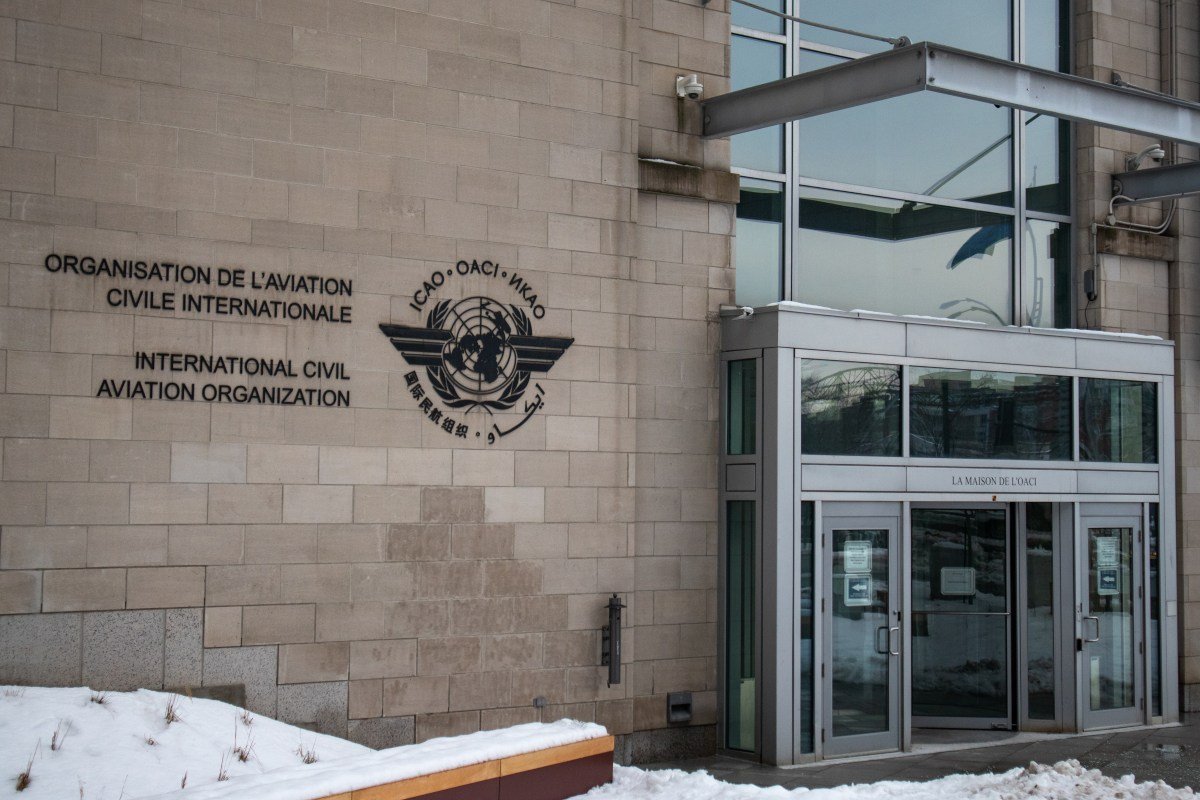
The International Civil Aviation Organization (ICAO), a specialized agency of the United Nations, has officially confirmed a significant security breach involving its internal recruitment database. The incident, which occurred over the past weekend, resulted in the unauthorized access and potential exposure of approximately 42,000 sensitive records belonging to job applicants.
The Scope of the ICAO Security Incident
The breach was brought to light when a threat actor operating under the alias “Natohub” publicly claimed responsibility for exfiltrating a massive volume of documents from the agency’s systems. Following an initial investigation launched on Monday, the ICAO issued a formal statement on Tuesday verifying the legitimacy of the hacker’s claims.
According to the agency, the compromised dataset spans an eight-year period, covering recruitment applications submitted between April 2016 and July 2024. The ICAO is currently in the process of identifying the specific individuals impacted and initiating the notification procedure.
What Data Was Stolen?
While the scale of the breach is substantial, the ICAO has provided specific details regarding the nature of the information exposed. The compromised records primarily contain personal applicant data, including:
- Full names
- Email addresses
- Dates of birth
- Detailed employment histories
The agency emphasized that the intrusion was strictly isolated to the recruitment database. Crucially, the ICAO stated that no financial information, system passwords, passport details, or sensitive documents uploaded by candidates were accessed by the threat actor.
Ongoing Response and Containment
Security teams at the ICAO are currently working to secure the affected infrastructure and prevent further unauthorized access. The organization maintains that the scope of the breach is “limited” to the recruitment portal. As the investigation continues, the agency is focusing on mitigating the impact for the thousands of applicants whose professional and personal contact details were caught in the leak.