
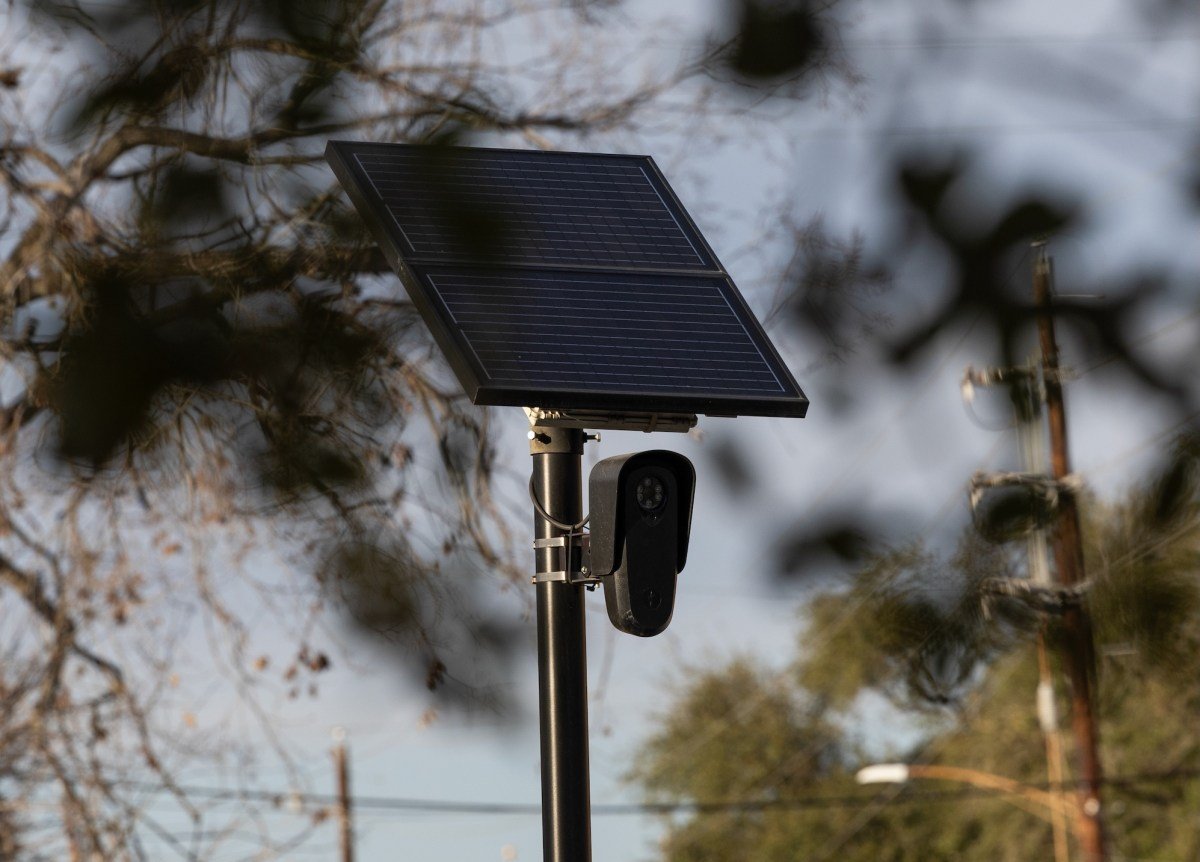
Across the United States, a growing wave of public anger is manifesting in the physical destruction of Flock Safety surveillance cameras. Citizens, frustrated by the company’s role in facilitating license plate tracking and potential immigration enforcement, have begun dismantling the hardware in cities from California to Virginia.
The Controversy Behind Flock’s Surveillance Network
Flock Safety, an Atlanta-based startup currently valued at $7.5 billion, has become a lightning rod for privacy advocates. The company provides a massive network of automated license plate readers (ALPRs) that track vehicle movements nationwide. While Flock maintains that it does not share data directly with U.S. Immigration and Customs Enforcement (ICE), investigative reports confirm that local police departments frequently grant federal authorities access to these databases. This integration has sparked significant backlash as federal agencies ramp up immigration enforcement efforts.
Rising Vandalism and Grassroots Resistance
As detailed in Blood in the Machine, the pushback has moved beyond boardrooms and city council meetings. In La Mesa, California, residents resorted to destroying local cameras just weeks after the city council ignored public pleas to terminate the surveillance contract. Similar acts of sabotage have been documented in Connecticut, Illinois, and Virginia.
In Oregon, the resistance took a more aggressive turn when six camera poles were physically cut down. Vandals left a message at the site, stating, “Hahaha get wrecked ya surveilling fucks.” Such incidents highlight a sharp increase in hostility toward the ubiquity of automated monitoring tools.
Mapping the Reach of License Plate Readers
The scale of the infrastructure is significant. According to DeFlock, an initiative dedicated to mapping surveillance technology, there are approximately 80,000 license plate-scanning cameras currently active across the country.
The public outcry is yielding mixed results. While some municipalities are choosing to end their contracts with Flock, others are facing internal pressure to restrict how police share data with federal agencies. Certain departments have already blocked ICE and other federal entities from accessing their local resources.
When questioned regarding the frequency of these attacks, a spokesperson for Flock declined to disclose whether the company maintains an official tally of destroyed units.