

WhatsApp has officially rolled out a series of security updates aimed at helping users identify and neutralize scams. The platform confirmed on Tuesday that it has purged over 6.8 million accounts linked to international criminal operations, marking a significant escalation in its fight against digital fraud.
Advanced Protection for Group Chats
The new safety features specifically target suspicious group activity. When a user is added to a group by an unknown contact, a new “safety overview” screen will automatically trigger. This interface provides critical context, such as whether the person who added you is in your contact list or if any existing group members are known to you.
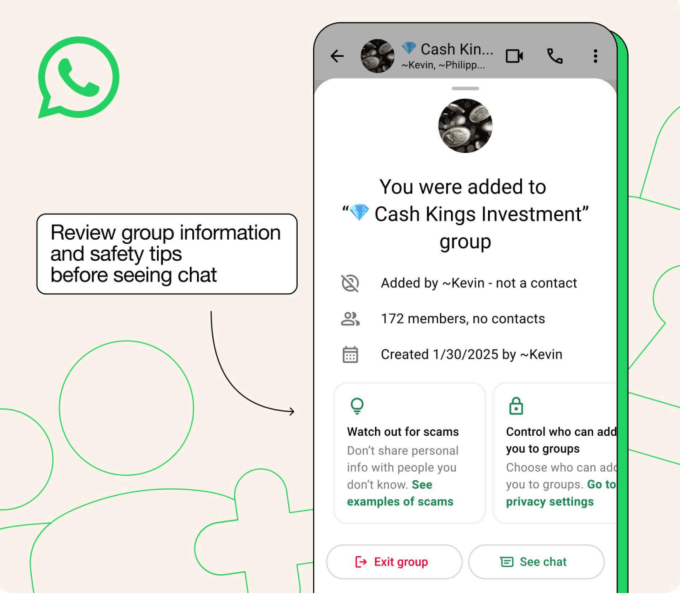
To prevent unwanted noise and potential exposure to malicious links, notifications for these unrecognized groups are muted by default. Users retain full control, allowing them to inspect the group context before deciding whether to remain or leave the conversation.
Real-Time Alerts for Private Messaging
WhatsApp is also addressing the “bridge” tactic, where scammers initiate contact on other platforms before moving the conversation to the encrypted environment of WhatsApp. The app is currently testing warning indicators for chats with non-contacts. These alerts will provide additional background information about the sender, helping users verify the legitimacy of the conversation before engaging further.
Disrupting Sophisticated Criminal Networks
The platform’s recent enforcement action included a collaboration with OpenAI to dismantle a major scam center based in Cambodia. According to an official blog post, these criminal operations utilized AI-generated text to lure victims into complex fraud schemes.
The scams typically involved:
- Offering payment for fake social media engagement.
- Recruiting victims for fraudulent “rent-a-scooter” pyramid schemes.
- Luring targets into deceptive cryptocurrency investments.
The investigation revealed that scammers often used ChatGPT to draft initial messages, then directed victims to Telegram to perform tasks, such as liking TikTok videos. To build false credibility, perpetrators would show victims fabricated earnings before pressuring them to deposit funds into bogus crypto accounts.
How to Stay Secure
Beyond technical safeguards, WhatsApp advises users to remain vigilant. The company recommends pausing before responding to unexpected requests, especially those that create a sense of urgency. If a message claims to be from a friend or relative in distress, verify the identity through a separate, trusted channel before taking any action or transferring funds.