
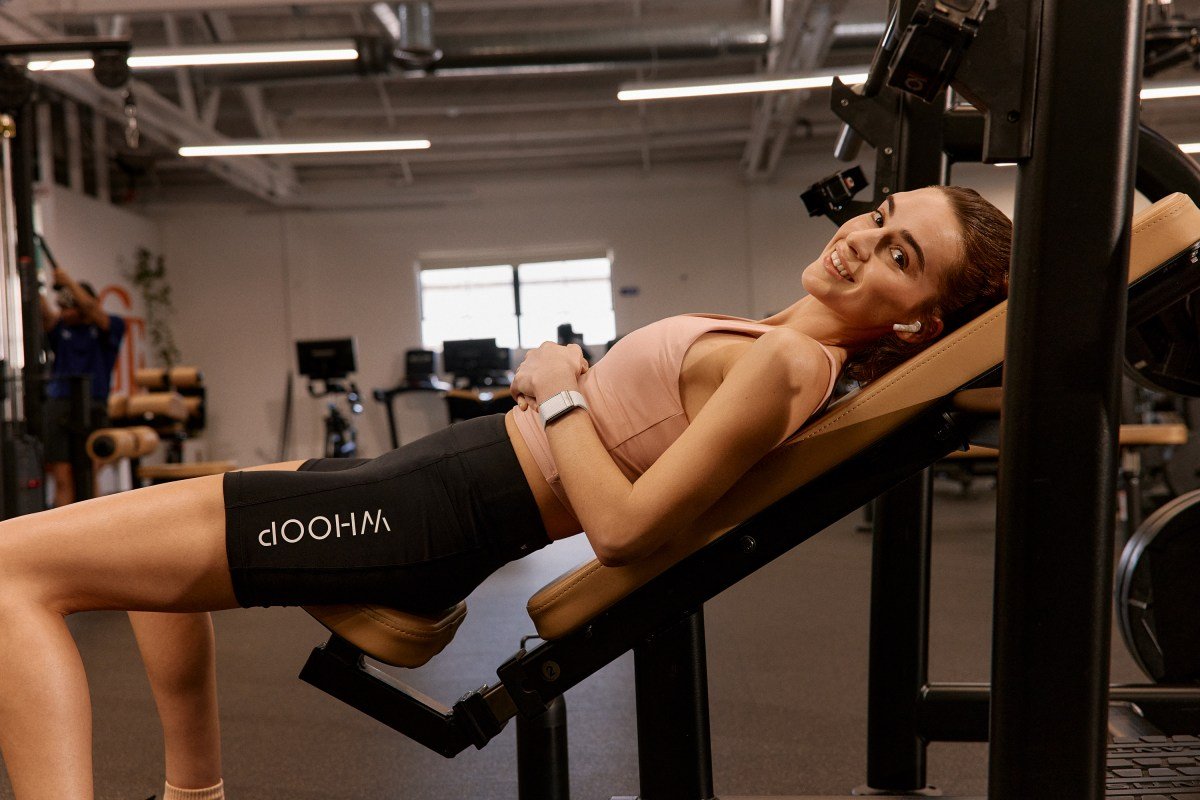
Fitness wearable leader Whoop is expanding its health ecosystem by introducing a specialized blood testing panel dedicated to women’s health. Available starting next month, the service integrates deep physiological insights with new app features designed to track hormonal transitions and menstrual cycles, marking a significant push into a historically underserved market.
Advanced Biomarker Analysis
The new Whoop Labs panel screens for 11 critical blood biomarkers. These data points are engineered to provide actionable intelligence regarding cycle regulation, nutrient sufficiency, and metabolic health. The specific biomarkers included are:
- Anti-Müllerian Hormone (AMH) and Progesterone
- Prolactin and Thyroid Peroxidase Antibodies (TPOAb)
- Free T4 and Free T3
- Leptin, Vitamin B12 (Cobalamin), and Folate
- Magnesium and Phosphate (Phosphorus)
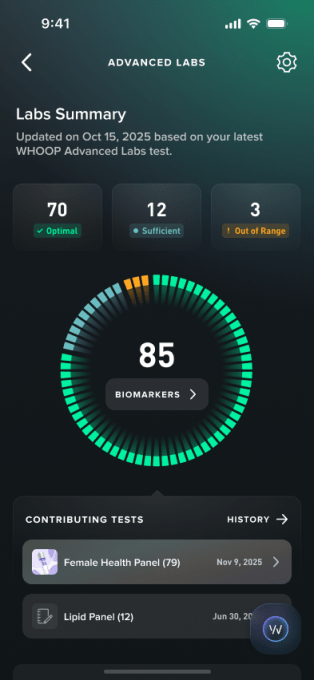
By correlating these results with established data on sleep, activity, and recovery, Whoop aims to help users navigate complex health areas such as perimenopause, thyroid function, and bone metabolic resilience. When Whoop first introduced its blood testing service in September 2025, it garnered massive interest with over 350,000 users on the initial waitlist.
Predictive Hormonal Insights
Beyond clinical blood work, the Whoop app is rolling out “Hormonal Symptom Insights and Predictions.” This feature models hormonal fluctuations throughout the menstrual cycle based on historical user data. It provides predictive windows for future periods, identifies cycle irregularities, and maps individual symptom patterns.
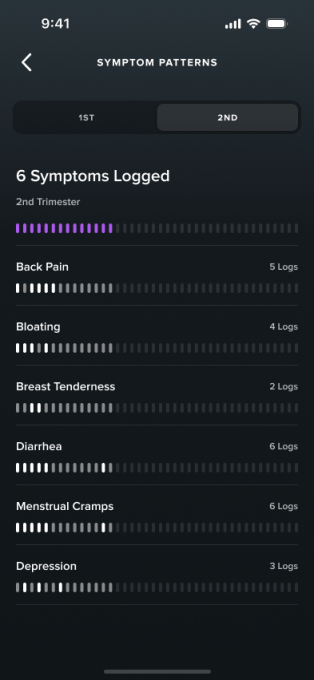
The system categorizes lab results into “optimal,” “sufficient,” or “out of range” segments, allowing for a more personalized health overview. For those interested in the underlying science, the company has released a comprehensive white paper detailing its modeling methodology.
The Rise of Women’s Health Tech
The wearable industry is aggressively pivoting toward women’s health to meet rising demand. Whoop reports that its female user base has surged by 150% year-over-year, establishing women as the company’s fastest-growing demographic. Furthermore, internal engagement data shows that female users interact with Whoop’s AI features 30% more frequently than other segments.
This trend is industry-wide; competitors like Oura have also doubled down on female-centric tools, recently launching an AI model and chatbot focused on reproductive health. With women in their twenties identified as the primary growth engine for these devices, the focus on hormonal data and cycle-specific insights is becoming a standard requirement for elite fitness wearables.