
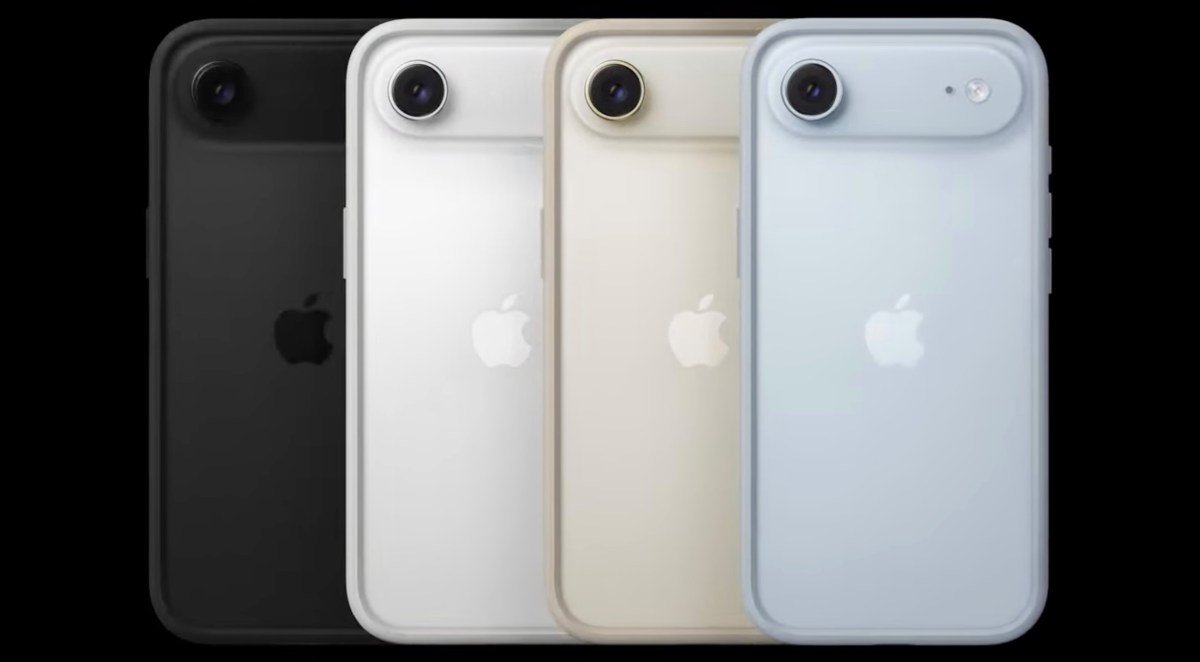
Apple officially unveiled the iPhone 17, 17 Pro, 17 Pro Max, and the ultra-slim iPhone Air this Tuesday. While the tech industry remains hyper-focused on the AI arms race, Apple’s latest hardware launch notably lacks a fully realized, AI-powered Siri. Despite the absence of a flagship generative assistant, the company’s strategic pivot suggests that hardware excellence—not software parity—remains its primary engine for growth.
The AI Gap: Where Does Apple Stand?
Apple’s presence in the AI sector remains conservative compared to competitors like Google, which recently launched its AI-driven Pixel 10. During the iPhone 17 event, references to artificial intelligence were limited to minor updates, such as Visual Intelligence, on-device models, and the new “Center Stage” front camera technology. Perhaps most telling was the omission of any major Siri overhaul, which is not expected until 2026.
While skeptics argue that Apple is falling behind, the company is already integrating baseline features like AI writing tools, summarization, and Genmoji. However, a truly conversational assistant that functions without relying on external platforms remains a glaring hole in the user experience.
Outsourcing AI: A Strategic Advantage?
Reports suggest Apple is actively looking toward third-party partnerships—potentially including Google Gemini—to bolster its AI capabilities. While this move might appear to be an admission of defeat, it could actually prove to be a masterstroke for the iPhone ecosystem.
Most iPhone users already prioritize Google services, such as Gmail, Chrome, and Google Maps, over Apple’s native alternatives. Integrating high-performance third-party AI directly into the iOS framework would offer a more seamless experience than running standalone apps. This approach allows Apple to avoid the massive infrastructure costs of building a proprietary AI model from scratch, effectively protecting its profit margins while delivering top-tier technology to consumers.
The “Best of Both Worlds” Strategy
Focusing on Hardware Supremacy
By leveraging third-party AI providers, Apple retains the flexibility to swap models as the technology evolves. This allows the company to double down on its core strengths:
- Superior industrial design (e.g., the new slim-profile iPhone Air)
- Industry-leading build quality
- Privacy-preserving technology
- Hardware-software synergy, such as Liquid Glass displays
This strategy allows Apple to market itself primarily as a premium hardware manufacturer rather than an AI utility provider. For the average consumer, the appeal of a device with world-class build quality—powered by the most advanced AI available, regardless of the developer—remains a highly compelling value proposition.
The Future of the iPhone Ecosystem
The long-term success of this vision depends entirely on execution. If Apple successfully integrates third-party intelligence, the iPhone 17 lineup could set a new standard for smartphone integration. However, if the company remains tethered to its internal “Apple Intelligence” suite without achieving rapid parity with competitors, the gap in user experience may become too wide to ignore. For now, Apple is betting that the allure of its hardware, combined with smart third-party partnerships, is more than enough to maintain its dominance in a crowded market.