
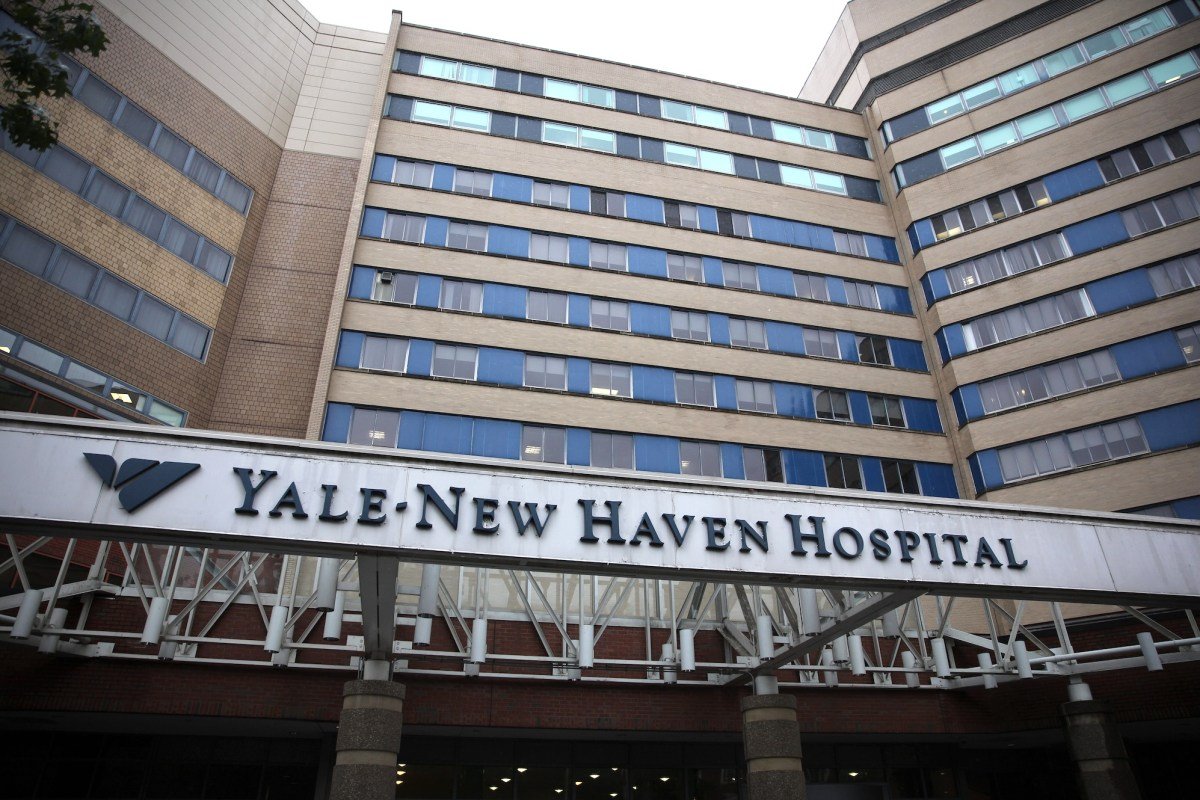
Yale New Haven Health, the largest healthcare provider in Connecticut, has confirmed a massive data breach affecting more than 5.5 million individuals. The incident, stemming from a cyberattack in March, forced the organization to file a legally required notice with the U.S. Department of Health and Human Services.
Scope of the Stolen Sensitive Information
According to an official notice on the healthcare system’s website, malicious actors successfully exfiltrated a wide range of personally identifiable information (PII) and healthcare-related data. While the specific data points vary by patient, the exposed information includes:
- Full names and dates of birth
- Postal and email addresses
- Phone numbers
- Race and ethnicity data
- Social Security numbers
- Medical record numbers and patient classifications
Ransomware Suspicions and Investigation
While Yale New Haven Health has not officially confirmed the specific nature of the attack, spokesperson Dana Marnane did not dispute reports that the incident involved ransomware. “The sophistication of the attack leads us to believe that it was executed by an individual or group who has a pattern of these types of incidents,” Marnane stated, noting that the healthcare system is currently cooperating with an ongoing law enforcement investigation.
The provider has remained silent regarding whether it engaged in communication with the attackers or if a ransom payment was demanded. As of now, no major ransomware syndicate has claimed responsibility for the breach. Local media reports indicate that the total number of affected individuals remains fluid and could potentially rise as the forensic investigation continues.
Rising Threats to Healthcare Data
This incident represents a significant escalation in cybersecurity threats targeting the medical sector. It arrives on the heels of another major disclosure this week, where Blue Shield of California revealed that the health data of 4.7 million patients had been shared with Google over a period of several years.
In the context of modern data extortion, it is common for criminal gangs to leak stolen files publicly if ransom negotiations collapse. Security experts continue to monitor the situation for signs of the stolen data appearing on the dark web.