
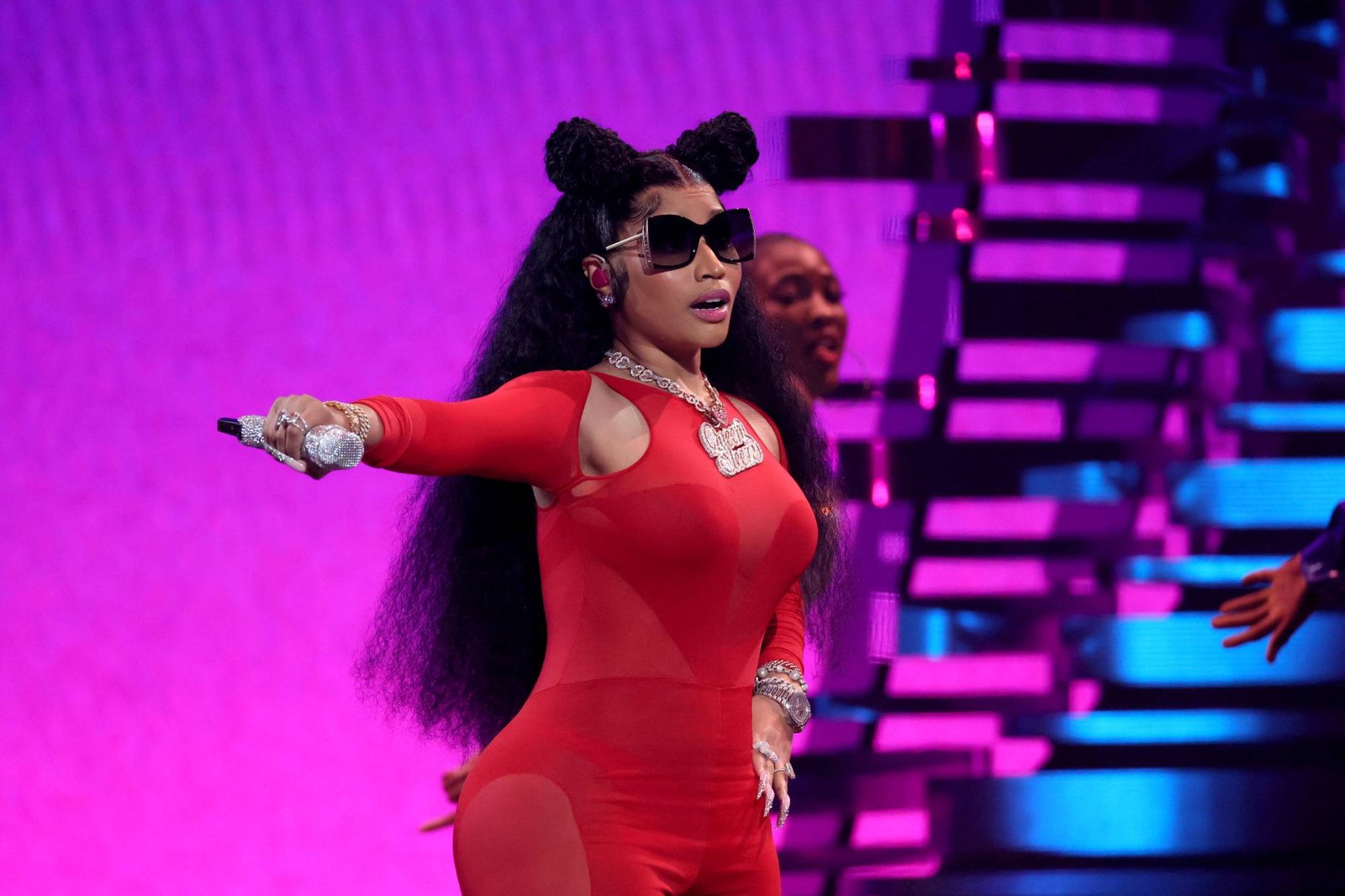
A powerhouse coalition of 200 prominent musicians has launched a formal protest against the unchecked expansion of artificial intelligence in the creative sector. Industry heavyweights, including Billie Eilish, Nicki Minaj, Katy Perry, Pearl Jam, and the estate of Bob Marley, have signed an open letter demanding that tech developers cease the use of AI tools that undermine human artistry and threaten professional livelihoods.
A Star-Studded Defense of Human Creativity
The list of signatories reads like an elite festival headliner roster, featuring diverse voices such as Chappell Roan, Elvis Costello, Greta Van Fleet, Imagine Dragons, Jon Bon Jovi, the Jonas Brothers, Kacey Musgraves, Mac DeMarco, Miranda Lambert, Mumford & Sons, Noah Kahan, Sheryl Crow, and Zayn Malik. Their unified stance highlights an urgent concern: the unauthorized use of their intellectual property to train generative AI models.
“When used irresponsibly, AI poses enormous threats to our ability to protect our privacy, our identities, our music, and our livelihoods,” the artists stated. They argue that tech giants are scraping copyrighted work without permission, creating a catastrophic environment for songwriters and working musicians who rely on their craft for survival.
The Structural Flaws of AI Training
The core of the issue lies in how AI models are built. These systems function by ingesting massive datasets of existing music, artwork, and writing. Once a model is trained on this data, extracting an artist’s specific work is nearly impossible—a digital reality that mirrors the futility of fighting mass music piracy in the early 2000s. With the rise of high-fidelity deepfakes, the threat to an artist’s unique voice and likeness has moved from theoretical to immediate.
Even initiatives by companies like Adobe and Stability AI, which claim to utilize licensed or royalty-free music, face criticism. Critics point out that these tools still displace working artists who provide essential services, such as composing scores for commercials or producing background beats.
A History of Tech-Driven Exploitation
Musicians have long struggled to receive fair compensation in the digital age. The shift from physical media to file-sharing, and later to streaming, has consistently squeezed artist profits. Data from the Union of Musicians and Allied Workers (UMAW) underscores this tension, revealing that Spotify’s average streaming royalty rate sits at approximately $0.0038 per stream. Given this history of low payouts, the industry’s deep-seated skepticism toward the current AI boom is unsurprising.
A Broader Creative Rebellion
The music industry is not alone in this fight. In July, a separate coalition of over 15,000 authors—including literary giants like James Patterson, Suzanne Collins, and Roxane Gay—penned a letter to the CEOs of major AI firms, including OpenAI, Meta, and Microsoft.
“These technologies mimic and regurgitate our language, stories, style, and ideas. Millions of copyrighted books, articles, essays, and poetry provide the ‘food’ for AI systems, endless meals for which there has been no bill,” the authors noted. Despite these warnings, major tech companies continue to operate with few legal guardrails, as current copyright law remains largely ill-equipped to address the complexities of generative AI.
The musicians’ letter concludes with a stern ultimatum: “This assault on human creativity must be stopped. We must protect against the predatory use of AI to steal professional artists’ voices and likenesses, violate creators’ rights, and destroy the music ecosystem.”