
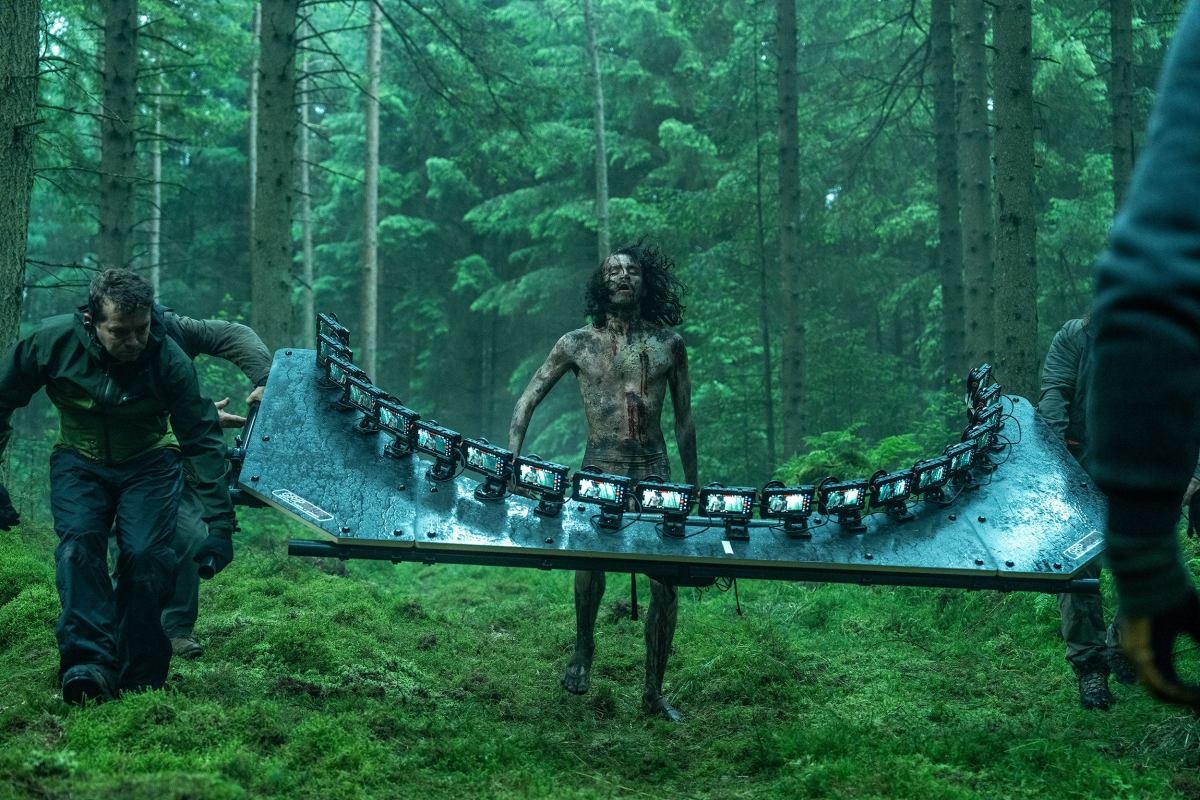
Director Danny Boyle has revolutionized action filmmaking once again, utilizing the iPhone 15 Pro Max as the primary camera for his post-apocalyptic sequel, 28 Years Later. Following his iconic use of Canon digital cameras to capture the gritty, abandoned streets of London in the original 28 Days Later, Boyle has traded traditional rigs for Apple’s consumer technology to achieve a new level of cinematic immediacy.
A Modern Take on Bullet Time
For the sequel, which premiered this weekend, the production team developed a specialized rig housing 20 iPhone Pro Max units. Boyle revealed to Wired that this setup functioned as a “poor man’s bullet time,” enabling the crew to record brutal, high-intensity action sequences from multiple synchronized perspectives simultaneously.
Agility Meets Cinematic Vision
Beyond the multi-camera rig, the iPhone served as the production’s principal camera throughout the shoot. To achieve professional results, the team stripped away standard smartphone features like automatic focus and integrated custom accessories to maintain full manual control over the image.
Shooting in Remote Landscapes
The choice to use iPhones was driven by a need for extreme mobility. Filming in remote areas of Northumbria—locations intended to appear untouched by modern civilization for over a millennium—required a lightweight approach. Boyle noted that the portability of the iPhone allowed his crew to traverse difficult terrain quickly without the logistical burden of heavy, traditional cinematic equipment, preserving the raw, desolate aesthetic essential to the film’s atmosphere.