
Midjourney has officially launched its V7 AI image model, marking the first major architecture update for the platform in nearly a year. The model entered its alpha testing phase on Thursday, introducing significant improvements in prompt adherence, texture quality, and overall visual coherence.
Enhanced Architecture and Performance
CEO David Holz described V7 as a “totally different architecture” compared to its predecessors. The new model is designed to better interpret complex text prompts and deliver higher fidelity in details, specifically regarding hands, bodies, and object textures.
To maximize efficiency, the company introduced “Draft Mode,” a feature that renders images at 10x the speed of the standard version for half the cost. While these draft images possess lower initial quality, they are fully compatible with one-click enhancement tools for higher-resolution results.
Personalization and Accessibility
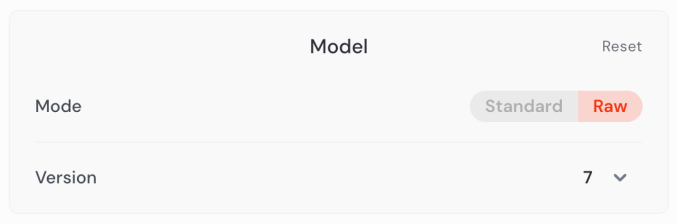
V7 is the first model from the company to feature “personalization” enabled by default. Users are required to rate approximately 200 images to calibrate the model to their individual visual preferences. Once configured, V7 is accessible via the Midjourney website’s drop-down menu or through the Discord chatbot for existing members.

Current Limitations and Roadmap
As the model is currently in the early alpha stage, several standard features—including advanced upscaling and retexturing—are temporarily unavailable. Holz noted that these features are expected to roll out within the next two months. Additionally, users are encouraged to experiment with different prompting styles, as the new architecture may respond differently than previous iterations.

Company Context and Legal Challenges
Midjourney remains a unique player in the AI landscape. Founded in 2022 by David Holz, the company has operated without external venture capital, reporting an estimated $200 million in revenue as of late 2023. The firm is currently expanding into hardware development and continues to train models for 3D object and video generation.
Despite its commercial success, the company is navigating several high-profile lawsuits. These legal actions allege that the company infringed on the rights of millions of artists by utilizing web-scraped data to train its generative models without consent.