
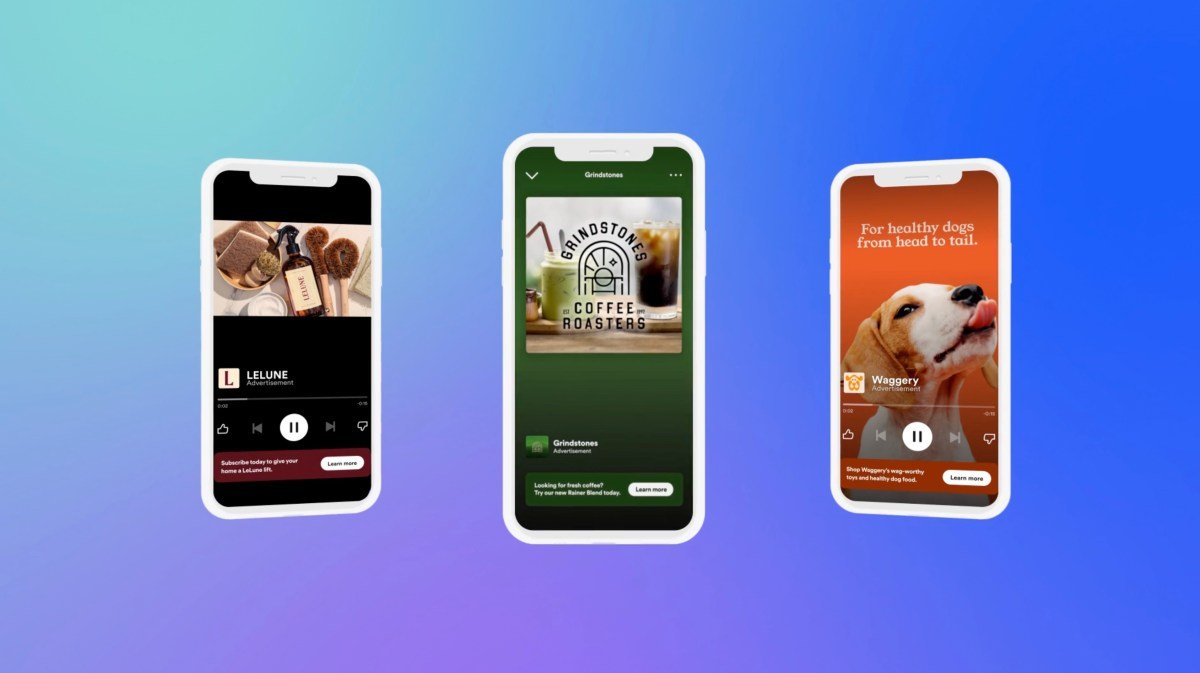
Spotify officially launched a suite of generative AI advertising tools and the new Spotify Ad Exchange (SAX) during an industry event in New York City this Thursday. These strategic updates aim to overhaul the platform’s advertising ecosystem, providing brands with automated creative production and real-time programmatic bidding capabilities to reach a massive global audience.
The Spotify Ad Exchange (SAX) Explained
The centerpiece of the announcement is the introduction of the Spotify Ad Exchange (SAX). This programmatic offering enables advertisers to participate in real-time auctions to reach logged-in users. To facilitate this, Spotify has secured key partnerships with major demand-side platforms, including Google’s Display & Video 360, The Trade Desk, and Magnite. Additional integrations with Yahoo DSP and Adform are slated to arrive in the near future.
SAX is designed to provide “full addressability” and robust measurement metrics. Initially, partners will be able to run audio, video, and display campaigns across music content, with support for podcasts expected to follow shortly. The exchange is rolling out across a wide geographic footprint, including the U.S., Canada, Europe, Australia, New Zealand, India, Singapore, Brazil, and Mexico.
Generative AI Comes to Ad Creation
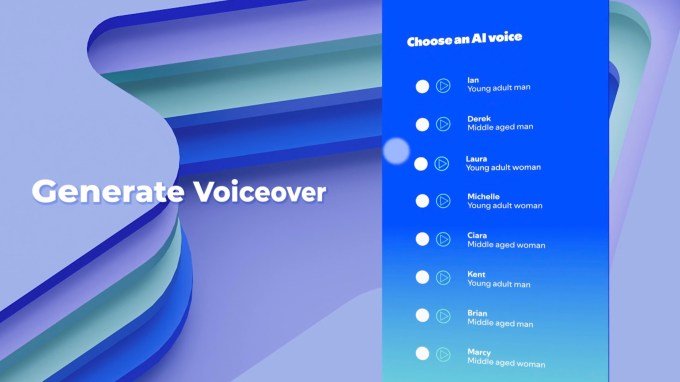
Beyond programmatic buying, Spotify is integrating generative AI directly into its advertising workflow. Marketers in the U.S. and Canada can now leverage Spotify Ads Manager to automatically generate scripts and high-quality voiceovers for audio campaigns. Significantly, the company confirmed that these AI-powered creative tools will be provided to advertisers at no additional cost.
Capturing the Gen Z Audience
These infrastructure upgrades are positioned as a direct response to the needs of marketers targeting Gen Z. Spotify highlighted its massive scale, noting that it currently hosts more than 251 million Gen Z users.
The platform emphasizes that this demographic engages with the service throughout the entire day, offering brands a unique window of opportunity that extends far beyond moments when users are actively interacting with their screens.