
Podcasting is a uniquely democratic medium, yet the technical execution varies wildly from professional studios to home-based setups. This week, we step into the basement studio of Alex Goldman—co-founder of the hit series Reply All and current host of the Radiotopia podcast Hyperfixed—to explore the gear and philosophy driving his latest audio projects.
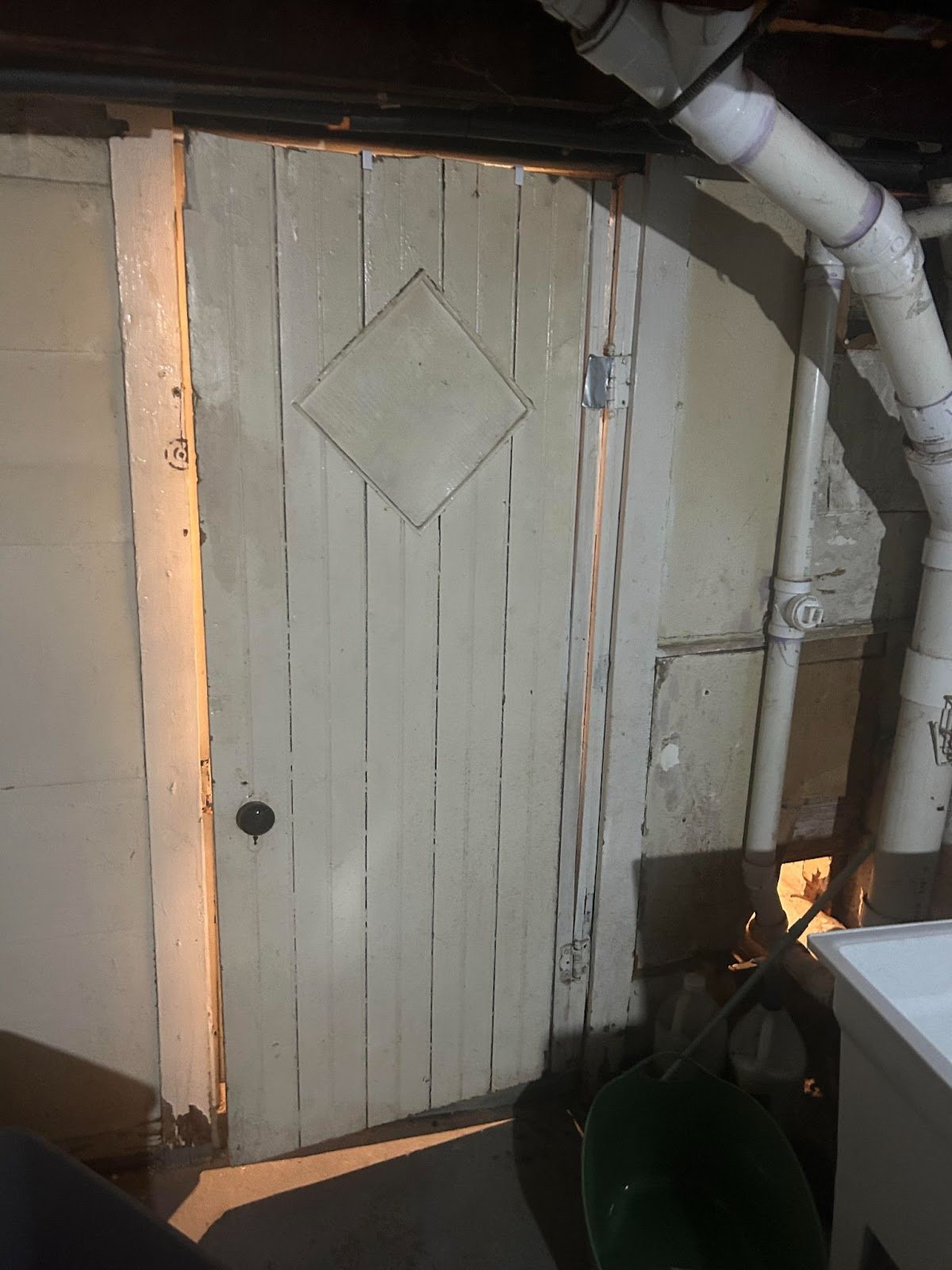
The “Torture Closet” Workflow
Goldman produces Hyperfixed—a show dedicated to solving life’s most complex problems—entirely from a compact 8×8 room in his apartment basement. Despite the limitations of the space, he has optimized the environment for high-quality audio production.
“Engineers often overcomplicate room preparation,” Goldman notes. “It’s really about eliminating open space and hard surfaces that cause reflections. A cluttered room is actually better for recording.”
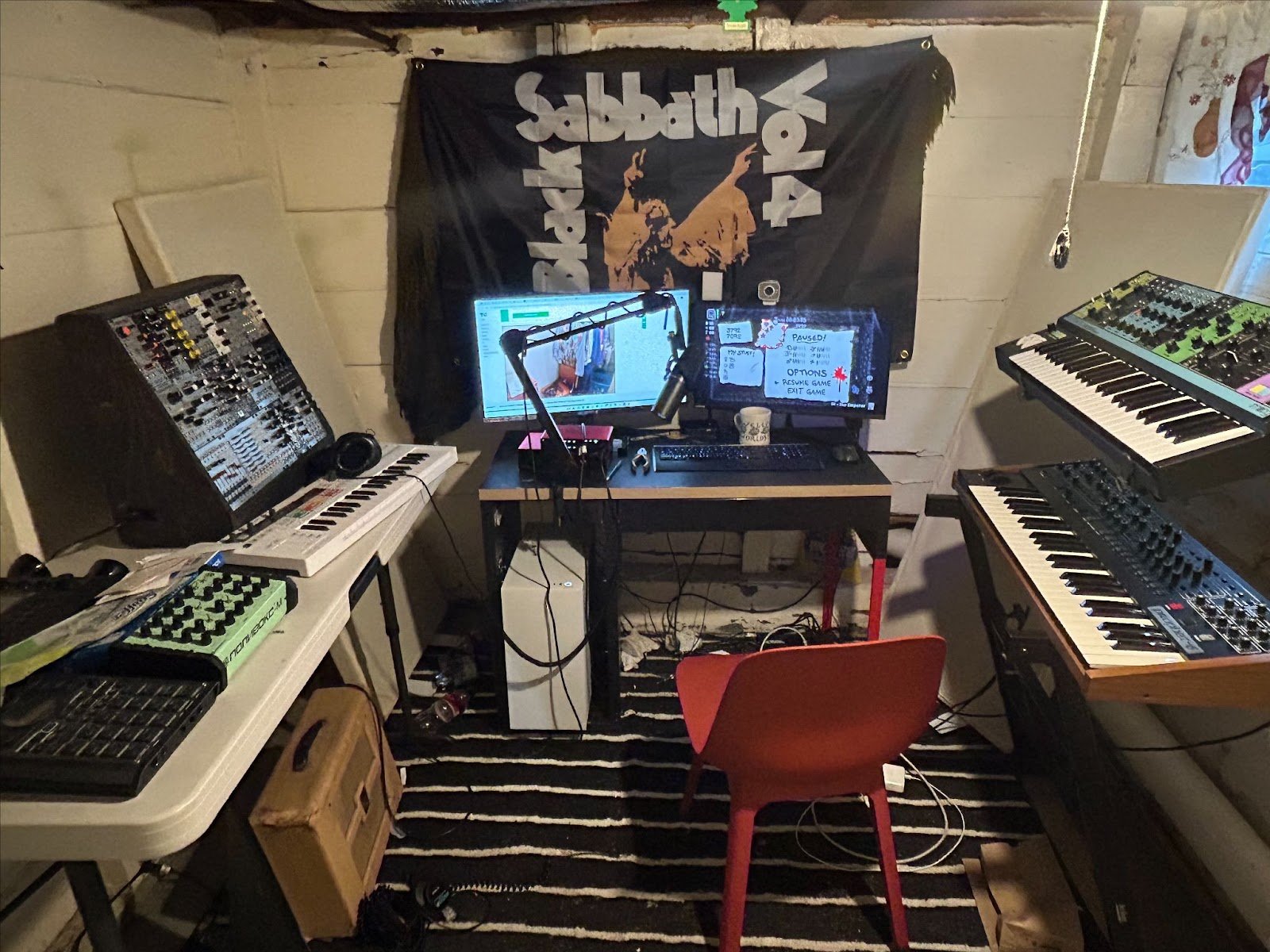
To control acoustics, Goldman uses a mix of practical and aesthetic solutions, including a wool blanket hung behind a Black Sabbath flag and dedicated sound baffles flanking his desk. He jokingly compares the aesthetic to the cabin in Evil Dead, though he maintains that the heat generated by his equipment keeps the small space comfortable.
Essential Hardware and Software
Goldman’s signal chain reflects his roots in public radio, prioritizing reliability and industry-standard performance:
- Microphone: The legendary Shure SM7B, a staple in professional podcasting and broadcast.
- Audio Interfaces: He utilizes the Focusrite 18i8 for desktop recording, supplemented by the more portable Focusrite 2i2.
- DAW: Despite its history of being resource-heavy, Goldman remains loyal to Pro Tools, noting its current accessibility through monthly licensing.
Sound Design and Music Production
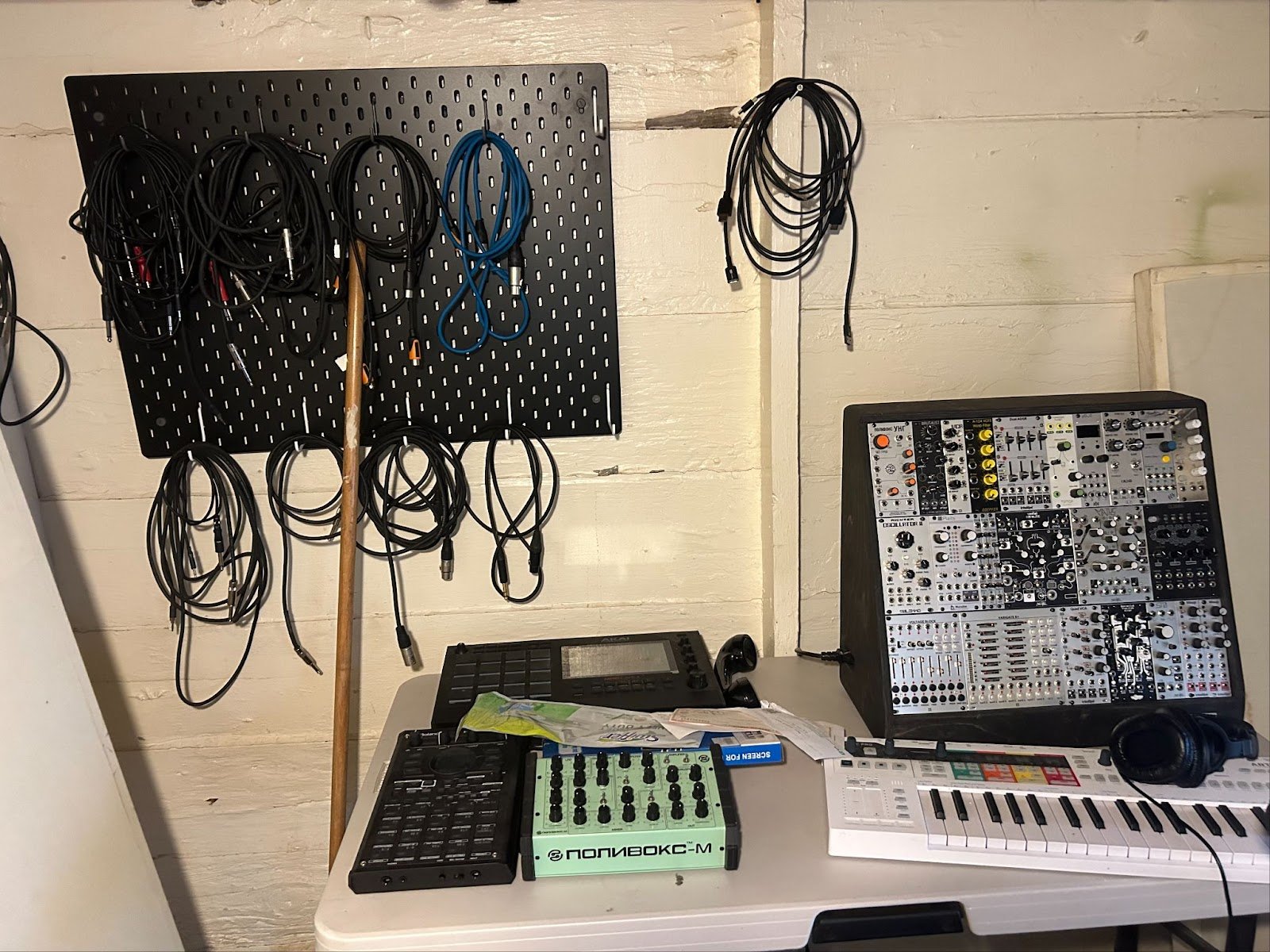
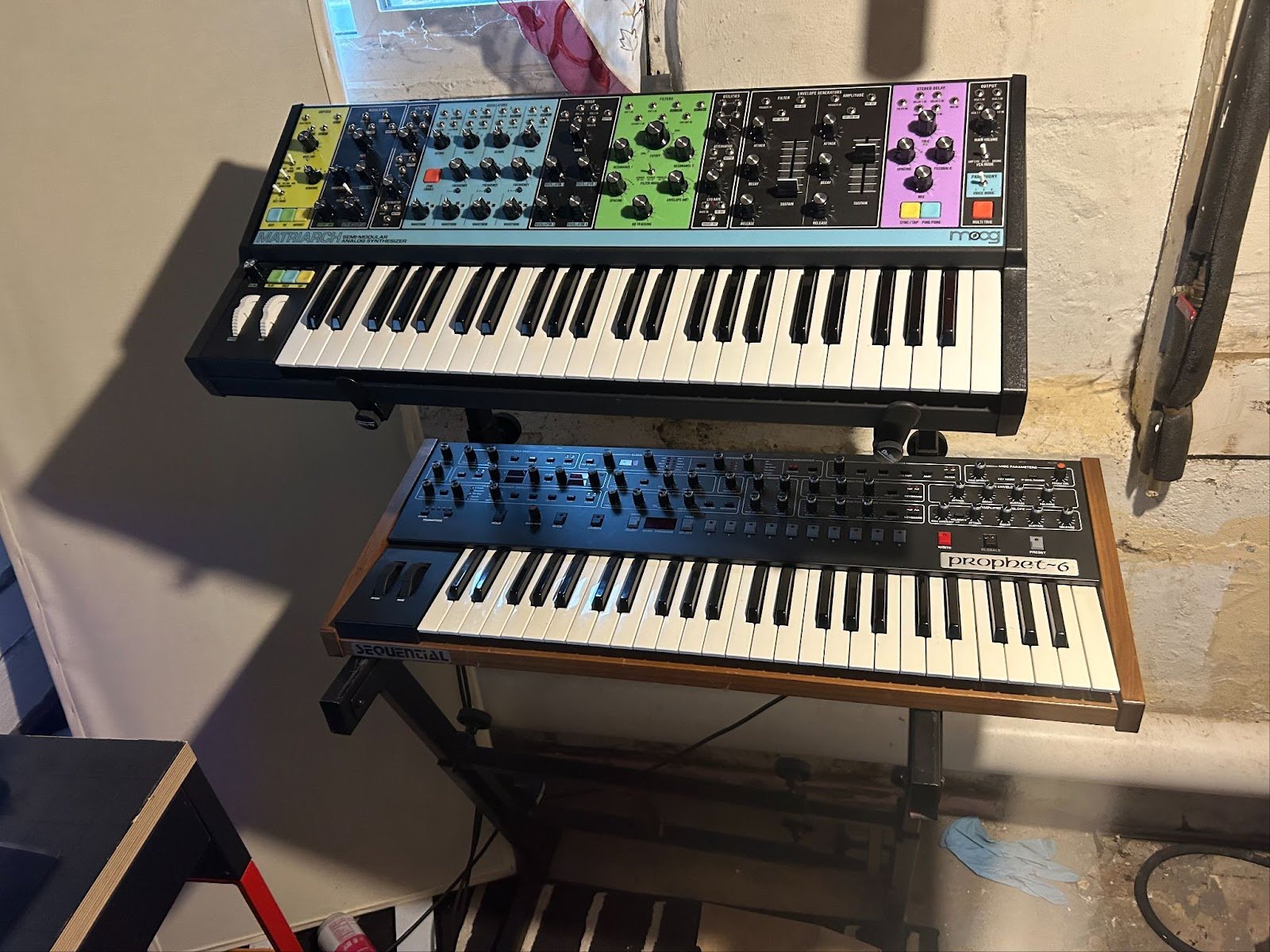
For the show’s original music, Goldman leans into hardware synthesizers to craft soundscapes. His arsenal includes:
- Sequential Circuits Prophet 6: Praised for its ability to produce rich, classic synth tones.
- Moog Matriarch: Used for thick, versatile bass lines and lead melodies.
- Drum Machines: He incorporates the Erica Synths LXR-02 and SOMA Pulsar-23 for broken beats, often blending these with stock samples from Ableton.
Goldman also occasionally repurposes compositions from his own music projects, such as his work under the moniker Slow Fawns, to provide specific musical cues for his podcast episodes.