
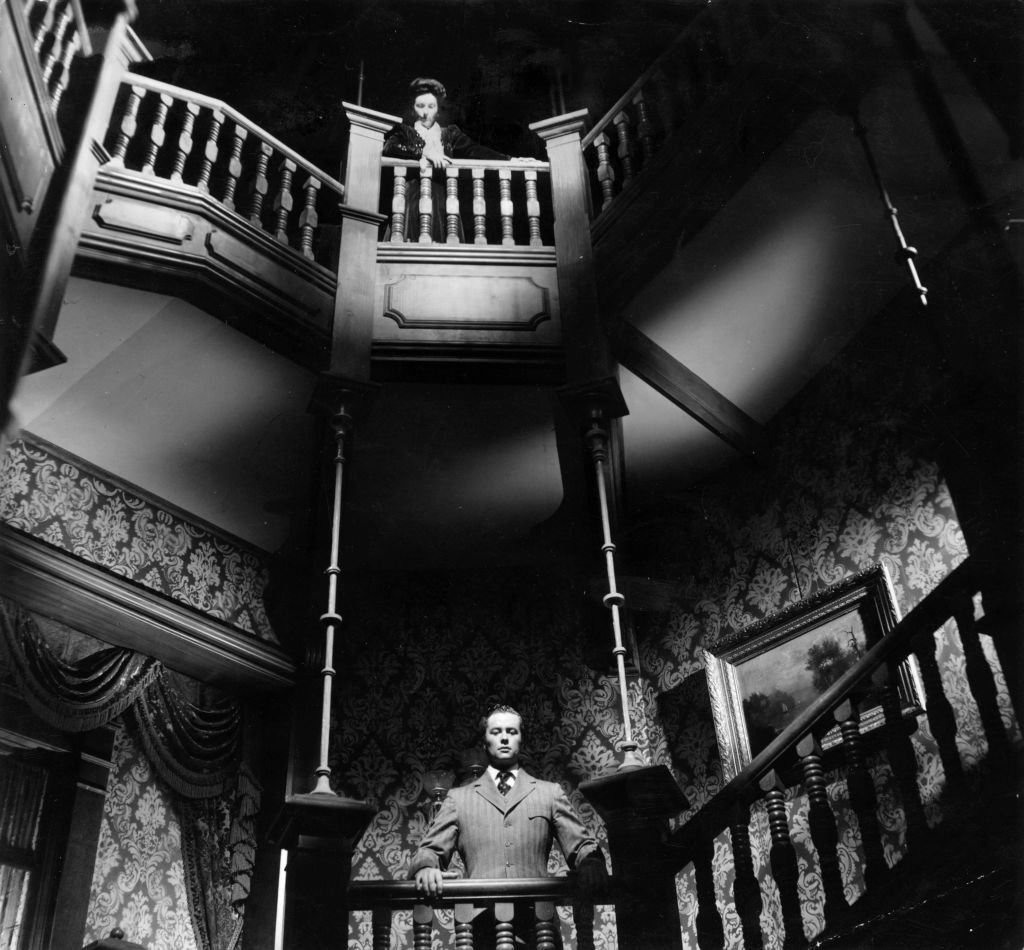
Fable, an AI startup backed by Amazon’s Alexa Fund, has unveiled a controversial plan to digitally reconstruct the lost 43 minutes of Orson Welles’ 1942 masterpiece, The Magnificent Ambersons. The project, which involves filmmaker Brian Rose, aims to leverage a new AI model capable of generating complex, long-form narratives to finish the film that was famously butchered by studio executives over eight decades ago.
The “Netflix of AI” Ambition
Billing itself as the “Netflix of AI,” Fable has built a platform allowing users to generate cartoons via text prompts. While the company currently focuses on proprietary intellectual property, its long-term strategy involves integrating Hollywood IP into its generative models. The platform has previously been utilized to create unauthorized South Park content, signaling an aggressive approach to existing entertainment assets.
A Project Without Rights or Consent
Despite the high-profile nature of the announcement, Fable has not secured the rights to The Magnificent Ambersons. The project appears to be a technological proof-of-concept rather than a commercially licensed production. This lack of authorization has drawn sharp condemnation from the Orson Welles estate.
David Reeder, representative for Welles’ daughter, Beatrice, slammed the initiative as an “attempt to generate publicity on the back of Welles’ creative genius.” Reeder noted that the estate was never consulted, labeling the endeavor a “mechanical exercise” devoid of the director’s unique innovative spirit.
Technological Reconstruction vs. Cinematic History
The proposed method for this reconstruction involves a hybrid approach: filming new scenes with contemporary actors and using AI to perform facial swaps to mimic the original cast. Brian Rose, who has spent five years attempting to digitally reconstruct Welles’ vision, argues that the project honors the director’s legacy, specifically citing the loss of a complex, four-minute unbroken tracking shot as a primary motivation.
However, critics argue that AI cannot recover what was lost. Even if the technology successfully simulates the visual style of the 1940s, the resulting product will be a synthetic approximation—a “Frankenstein” of original intent and algorithmic guesswork. Without the discovery of the actual lost footage, the true version of The Magnificent Ambersons remains permanently beyond the reach of digital restoration.
Ultimately, the project highlights the growing friction between generative AI developers and the creative estates of legendary artists, raising ethical questions about whether technical capability grants the moral right to rewrite cinematic history.