
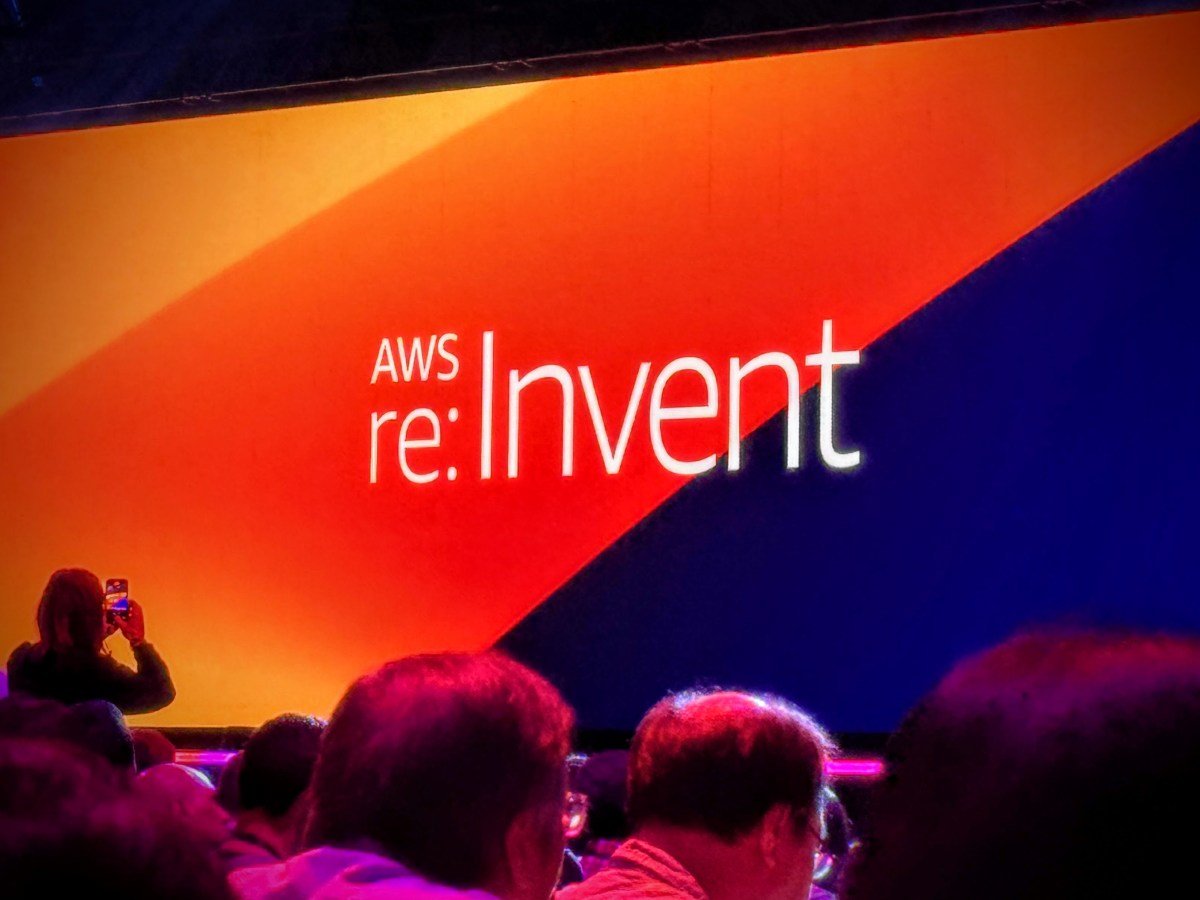
At its annual re:Invent conference, Amazon Web Services (AWS) positioned itself as an all-in contender in the artificial intelligence race, unveiling a massive wave of new AI agents, updated large language models (LLMs), and specialized tools for building enterprise-grade agentic workflows. Despite the aggressive push, a significant gap remains between AWS’s innovation roadmap and the current readiness of its enterprise customers.
The Inflection Point Argument
AWS CEO Matt Garman addressed the elephant in the room during his keynote: enterprises have yet to realize a tangible return on their AI investments. However, he framed this as a temporary hurdle, arguing that the industry has reached a critical “inflection point.”
“I believe that the advent of AI agents has brought us to an inflection point in AI’s trajectory,” Garman stated. “It’s turning from a technical wonder into something that delivers us real value. This change is going to have as much impact on your business as the internet or the cloud.”
Market Realities vs. Innovation Speed
While the technological breadth of the announcements impressed analysts, questions persist regarding whether these tools will accelerate enterprise adoption or shift AWS’s standing in a market currently dominated by rivals like Anthropic, OpenAI, and Google.
Naveen Chhabra, a principal analyst at Forrester, suggests that AWS may be moving faster than its user base. “AWS AI announcements show that AWS is thinking ahead and maybe far too ahead,” Chhabra noted. “Most enterprises are still piloting AI projects and are rarely at the levels of maturity AWS expects them to be to take advantage of the offerings that come out of these announcements.”
Supporting this sentiment, an MIT study published in August revealed that 95% of enterprises have yet to see a return on investment from their AI implementations.
Infrastructure as the True Value Driver
For some market observers, the most compelling news from re:Invent was not the software, but the underlying hardware. Ethan Feller, an equity strategist at Zacks Investment Research, pointed to the “AWS AI factory”—an initiative allowing customers to run AWS AI workloads within their own data centers—as the standout development.
“The AWS AI factory is really compelling,” Feller said. “AWS is a huge player in where the models are being run and is dominant in the cloud industry. I think that is where Amazon’s expertise really lies. It’s a good thing to double down on where they have expertise.”
Feller suggests that while a vertical AI play is ambitious, AWS might see more success by leaning into partnerships with entities like Anthropic and Nvidia rather than relying exclusively on in-house technology.
Resilience in the Face of Market Volatility
Regardless of the immediate adoption rates of their new AI models, AWS maintains a distinct advantage as a foundational cloud provider. Because it provides the essential “rails” for the tech industry, the company remains insulated from the volatility of individual AI trends.
With $11.4 billion in operating income recorded in the third quarter, AWS possesses the financial runway to experiment and iterate. This stability allows the company to continue refining its AI offerings, ensuring that when the market eventually matures and enterprise readiness catches up, the infrastructure—and the tools to utilize it—will be ready.