

The global eSIM market is experiencing a massive surge in adoption, driven primarily by the rising demand for seamless international travel connectivity and the increasing ubiquity of compatible mobile devices. While traditional telecom operators have long held the keys to connectivity, specialized startups are now revolutionizing the sector by simplifying the user experience.
Major network providers are taking note of this shift. For instance, Vodafone has partnered with UEFA to launch a specialized eSIM tailored for fans traveling to football matches across Europe, highlighting the industry’s move toward niche, high-demand markets.
Explosive Growth and Strategic Funding
Travel-focused eSIM startups are reporting significant traction. Truely, which secured a $2 million extension round in June, reports serving over 70,000 travelers in the last two years with 2x order growth this year. The company is actively pursuing partnerships with fintech services and travel apps to expand its footprint.
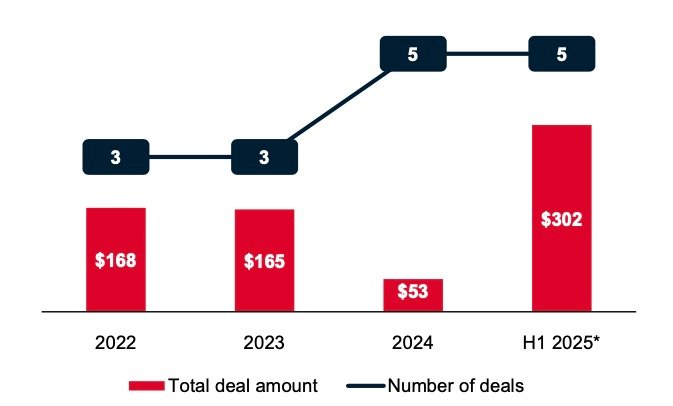
Other key players are seeing similar success. NordVPN’s Saily app has surpassed a seven-digit user base since its March 2024 launch and recently introduced a $60 per month Ultra plan for global power users. Meanwhile, Holafly has hit a major milestone, reporting over 15 million eSIMs sold and $500 million in total revenue since its 2018 inception.
Investment activity remains aggressive. Airalo made headlines in July with a $220 million funding round, officially reaching unicorn status. Additionally, French startup Kolet recently raised $10 million in Series A funding, signaling sustained investor confidence in the sector’s long-term viability.
The Road Ahead: Consolidation and New Opportunities
Industry experts suggest that while the current focus is on travel, the domestic market offers untapped potential. However, market experts warn that the industry is heading toward a saturation point. Investors are shifting their gaze toward long-term viability, focusing on customer loyalty, network coverage quality, and strategic marketing alliances with airlines and banks.
Overcoming Technical Hurdles
Despite the rapid growth, adoption faces significant barriers, primarily centered on user education and technical friction. Many consumers remain unaware of what an eSIM is or how it functions compared to a physical SIM card.
The current installation process is frequently cited as a pain point. Many apps require users to scan a QR code sent via email, often necessitating a second device to complete the setup. This creates a cumbersome experience for travelers trying to activate connectivity at an airport.
Furthermore, legacy infrastructure remains a challenge for traditional network providers. To maintain competitiveness, these operators must transition to fully digital, automated systems, removing the need for physical store visits and streamlining the switch to eSIM technology for the mass market.