
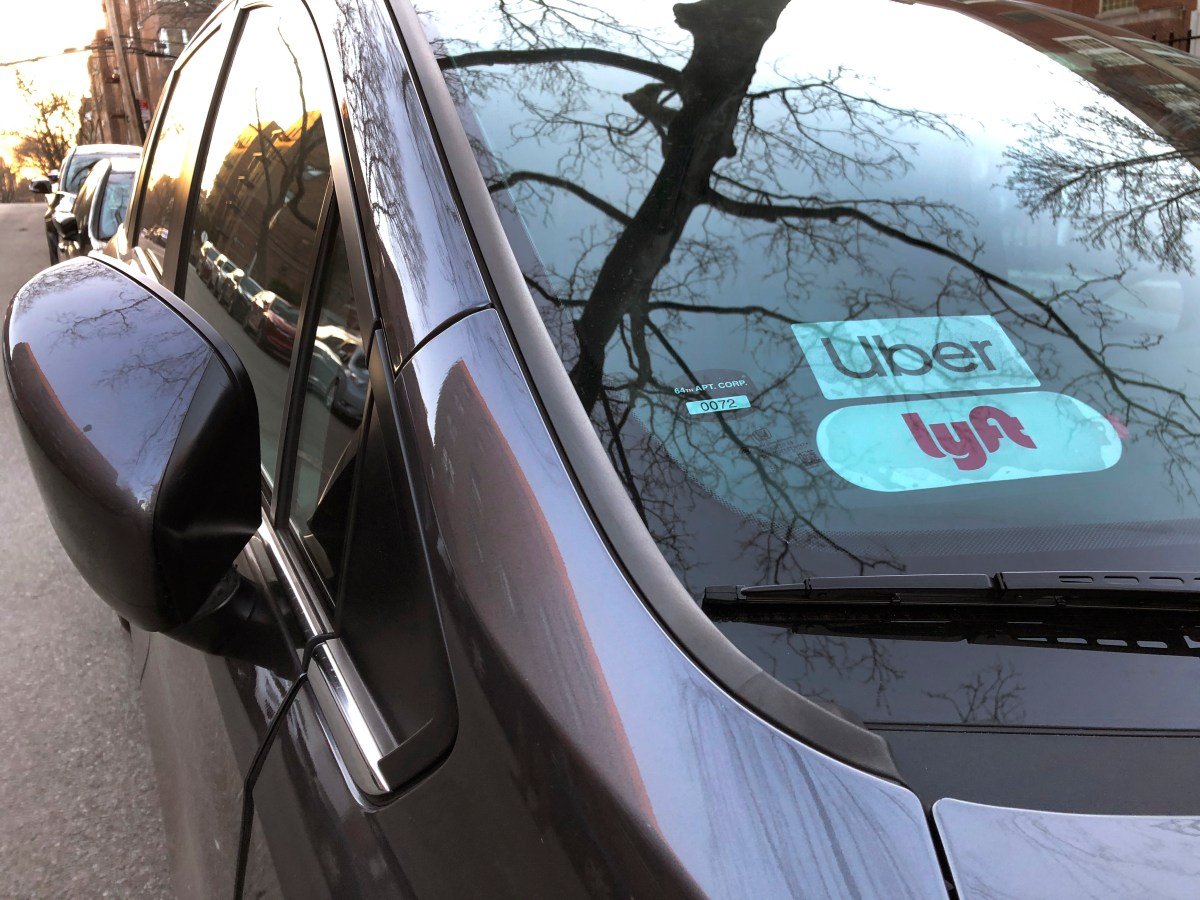
California Governor Gavin Newsom signed landmark legislation on Friday, officially granting independent contractors for ride-hailing platforms like Uber and Lyft the legal right to unionize. This move marks a significant shift in the labor landscape for over 800,000 drivers across the state, enabling them to collectively bargain for improved wages and benefits.
A Strategic Legislative Compromise
The new law is the cornerstone of a broader agreement brokered between state lawmakers, labor unions, and major ride-hailing corporations. As part of this comprehensive deal, the state also passed separate legislation to lower insurance requirements for these platforms. Governor Newsom previously hailed the framework as a “historic agreement between workers and business that only California could deliver.”
Impact on the Gig Economy
According to reports from The Associated Press, the legislation provides a formal mechanism for hundreds of thousands of drivers to seek better working conditions. Industry representatives have framed the decision as a necessary middle ground. Ramona Prieto, Uber’s head of public policy for California, stated that the dual bills represent a compromise designed to reduce costs for passengers while establishing a more powerful voice for the workforce.
National Momentum for Driver Rights
California’s decision follows a growing national trend regarding the classification and rights of gig workers. This legislative victory mirrors recent developments in other states, most notably when Massachusetts voters approved a ballot measure last fall that similarly authorized unionization rights for ride-hailing drivers, signaling a potential shift in how the gig economy is regulated across the United States.