

Kenneth Stanley, a former OpenAI researcher, has launched Maven, a social media platform designed to replace addictive, engagement-focused algorithms with a system built on “serendipity.” Launched publicly in May 2024, the network aims to combat the toxicity and narcissism inherent in modern digital spaces by eliminating metrics like likes, retweets, and follower counts.

Moving Beyond the Objective Trap
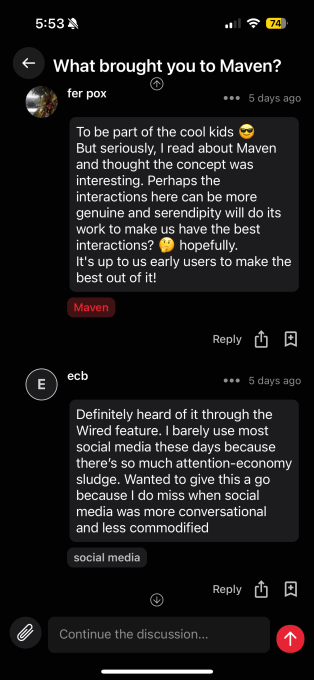
Stanley argues that society’s obsession with optimization—often driven by AI algorithms—is counterproductive. In his view, social media has morphed into a system where people act as brands, chasing popularity at the expense of genuine connection. By shifting the focus from “objectives” to “open-endedness,” Maven uses an AI algorithm that prioritizes novelty and interest over viral potential.
Users select topics, and the algorithm connects them with relevant content and conversations. Crucially, the platform includes a “serendipity slider,” allowing users to branch out beyond their stated interests to discover unexpected topics—a mechanism Stanley calls “the path of the interesting.”
An Antidote to Digital Toxicity
The platform is a direct response to the mental health crises and polarization often linked to standard social media models. By removing the incentives for sensationalism, Stanley hopes to change the aggregate behavior of users. While the platform still monitors for inflammatory content, the core philosophy is that by removing the “clout” mechanism, the nastiness of online discourse will naturally diminish.
The Challenge of Scaling and Monetization
Maven faces a steep climb in a market dominated by giants. With competitors like Bluesky and Mastodon, Maven’s user base remains in the thousands. The project raised $2 million in 2023 from investors including Twitter co-founder Ev Williams and OpenAI CEO Sam Altman, but the long-term sustainability remains an open question.
Stanley is currently weighing potential business models, including subscriptions, to avoid the pitfalls of ad-based revenue, which he believes inherently incentivizes virality. While there is potential value in selling the platform’s unique data—which maps “what is interesting” to humans—to AI companies, Stanley is cautious.
“I just wanted to create something for people,” Stanley noted, reflecting on his pivot from AI research to building a community. “I started to feel like everybody’s going to be talking to chatbots more and more and we’re going to be less and less connected with other people. This serendipity network made me feel like I could contribute to people being more connected.”
For now, Maven serves as a social experiment: a test to see if a platform can survive—and thrive—by prioritizing human curiosity over the relentless pursuit of the algorithm’s approval.