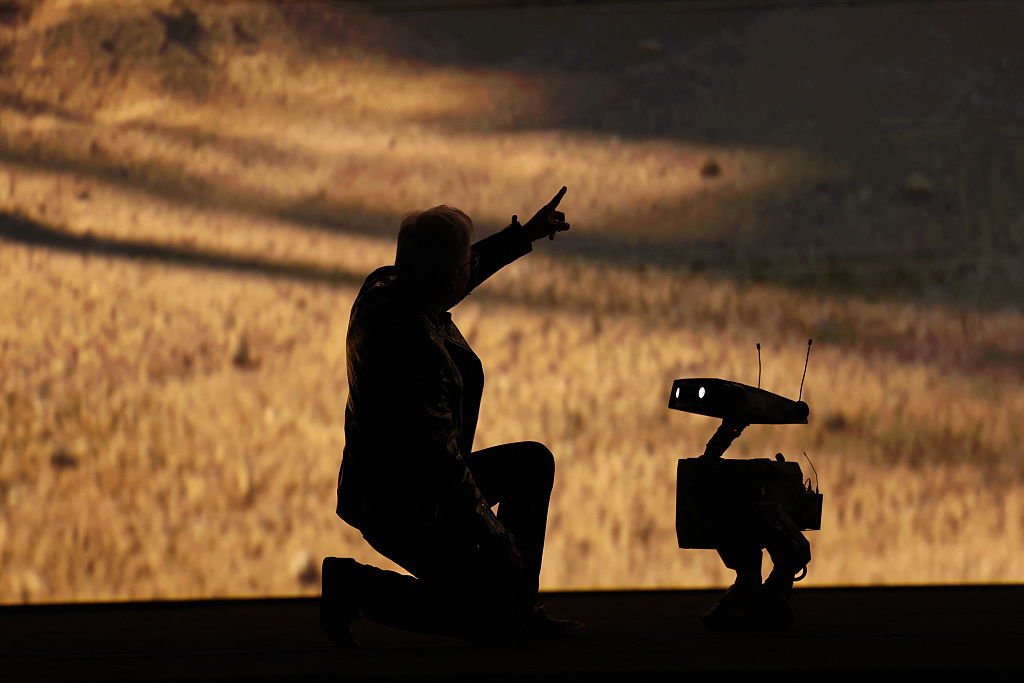
CES 2026 has officially wrapped in Las Vegas, marking another year where the consumer electronics industry converged to showcase the future of hardware. From industry giants like Nvidia, Sony, and AMD to high-potential startups, the event highlighted a massive industry-wide pivot: the shift from purely “agentic” software AI to “physical AI” and advanced robotics.
The Rise of Physical AI and Robotics
While artificial intelligence remained the central theme, its application has moved off the screen and into the real world. Robotics demonstrations dominated the show floor, signaling a new era where AI serves as the brain for autonomous physical entities. This trend was evident across multiple sectors, ranging from construction to home automation.
Nvidia: Rubin Architecture and Autonomous Vehicles
Nvidia CEO Jensen Huang utilized his keynote to cement the company’s dominance in the AI hardware space. The headline was the unveiling of the Rubin computing architecture, designed to handle the massive computational demands of modern AI models. Rubin is scheduled to succeed the current Blackwell architecture in the second half of 2026, offering significant upgrades in storage and processing speed.
Nvidia also pushed further into the physical world with its Alpamayo family of open-source AI models, specifically built to power autonomous vehicles. This strategy positions Nvidia’s infrastructure as the “Android for generalist robots,” creating a standardized platform for robotic development.
AMD’s AI-Powered PC Strategy
AMD Chair and CEO Lisa Su opened the event with a keynote focused on partnerships and the expansion of AI into personal computing. The company highlighted its Ryzen AI 400 Series processors, aiming to bring high-performance AI capabilities directly to consumer laptops and desktops.
Notable Hardware Debuts
Beyond the silicon, several gadgets caught attendees’ attention for their unique designs and utility:
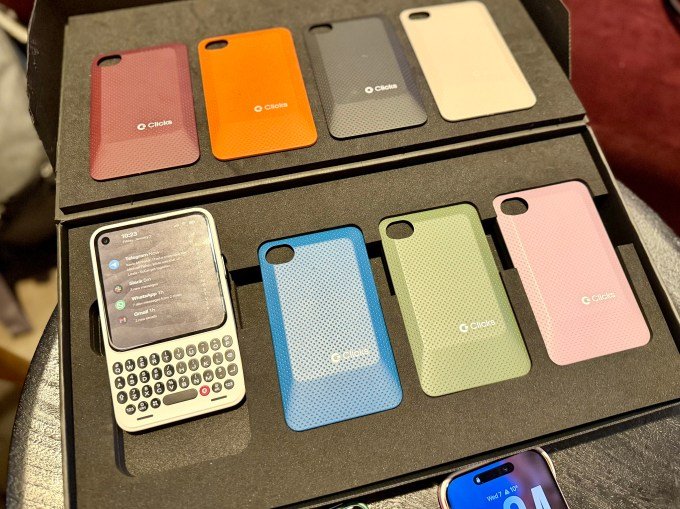
- Clicks Communicator: A $499 smartphone that revives the BlackBerry aesthetic with a physical keyboard. The device features a contoured back and a clever screen design that protects the keys when placed face-down.
- eufyMake E1: Bringing industrial-grade UV printing to the masses, this $2,299 device allows individuals to print custom designs on mugs, bottles, and phone cases.
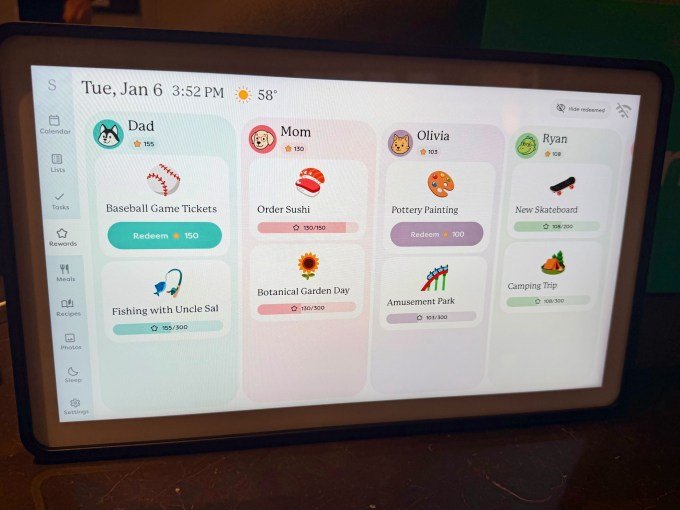
- Skylight Calendar 2: A family-focused planning tool that uses AI to sync calendars from multiple sources and automatically generate to-do lists from messages and photos.
Robotics: Hits and Misses
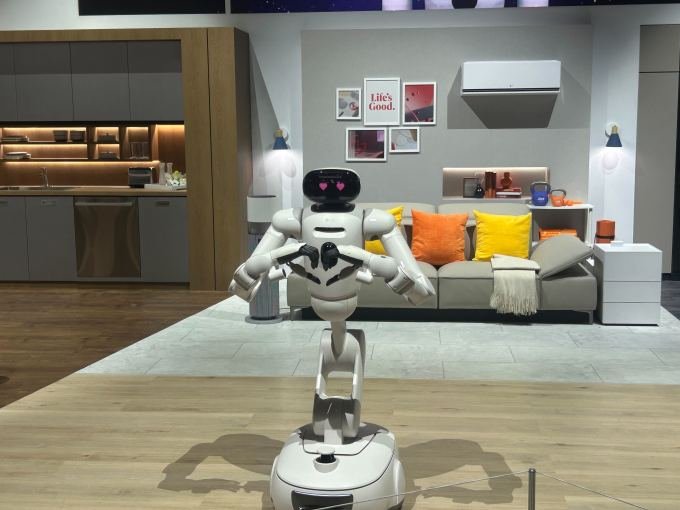
LG’s home robot, CLOiD, was a focal point of their presentation, though live demonstrations proved underwhelming. Despite high-production marketing videos showing the bot performing complex household chores, the in-person performance was limited to simple, slow-motion tasks like moving laundry or placing a croissant in an oven.
In contrast, Boston Dynamics and Google announced a strategic partnership to train and operate Atlas robots. By leveraging Google’s AI research lab, the companies are working to enhance the functionality of both existing Atlas units and new humanoid iterations.
Automotive and Infrastructure AI
The integration of AI into industrial and consumer vehicles was a major theme:
- Ford: Announced an upcoming AI assistant launching first in its mobile app, with a full vehicle integration targeted for 2027.
- Caterpillar & Nvidia: Partnered on the “Cat AI Assistant,” a pilot program for automated construction equipment that uses Nvidia’s Omniverse simulation tools for project planning and site execution.
Razer and Lego: The Unexpected
Razer continued its tradition of eccentric reveals with Project Motoko, a concept for smart-glasses-style visuals without the actual glasses, and Project AVA, an AI companion avatar designed for desktop use.
Lego made its first-ever appearance at CES, showcasing its Smart Play System. The system features bricks and Minifigures that interact with one another to produce sound, debuting with a Star Wars-themed collection.