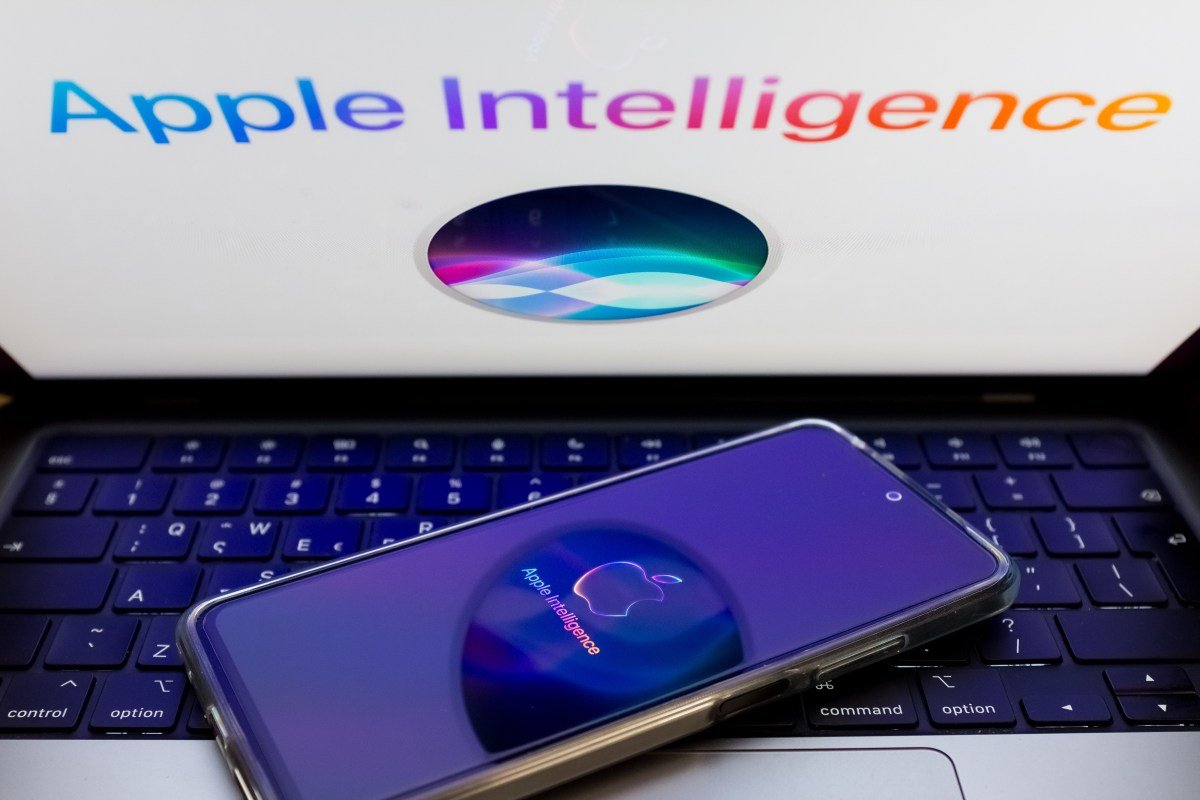
Apple has officially confirmed a strategic multi-year partnership with Google to integrate Gemini models and cloud technology into its ecosystem. This collaboration aims to supercharge Apple’s foundational models, including a long-awaited overhaul of the Siri voice assistant.
The Foundation of the Apple-Google AI Alliance
Following an extensive evaluation of industry leaders, Apple identified Google’s technology as the most robust infrastructure for its future AI developments. While the financial specifics remain undisclosed, industry insiders suggest the deal could be valued at approximately $1 billion.
This agreement follows months of testing by Apple, which explored various alternatives, including OpenAI and Anthropic. Despite Apple’s historical preference for vertical integration, this move signals a pivot toward leveraging third-party expertise to accelerate its competitive standing in the generative AI market.
Privacy Standards and On-Device Processing
A critical component of this partnership is the maintenance of Apple’s stringent privacy protocols. Apple has emphasized that its commitment to user data protection will remain unchanged, with most AI processing continuing to occur on-device or via highly controlled, secure infrastructure.
Since the 2024 launch of Apple Intelligence—which introduced features like photo search and notification summaries—the tech giant has faced criticism for a perceived lack of innovation compared to rivals like ChatGPT. The upcoming Siri upgrade, slated for a spring launch, is intended to bridge this capability gap and deliver the “more personalized” experience users have long requested.
Navigating Antitrust Scrutiny
The alliance arrives during a period of intense legal pressure for Google. A federal court recently ruled that the search giant maintained an illegal monopoly by paying companies like Apple for default search placements—a deal that saw Google pay roughly $38 billion between 2021 and 2022.
In December 2025, Judge Amit Mehta issued final remedies in the landmark antitrust case. These mandates now restrict Google from entering into exclusive default agreements that last longer than one year, adding a layer of regulatory complexity to this new AI-focused partnership.
While the current collaboration is non-exclusive, it marks a significant shift in how Apple approaches its AI roadmap, moving away from purely internal development to a hybrid model that utilizes Google’s advanced cloud and model capabilities.