
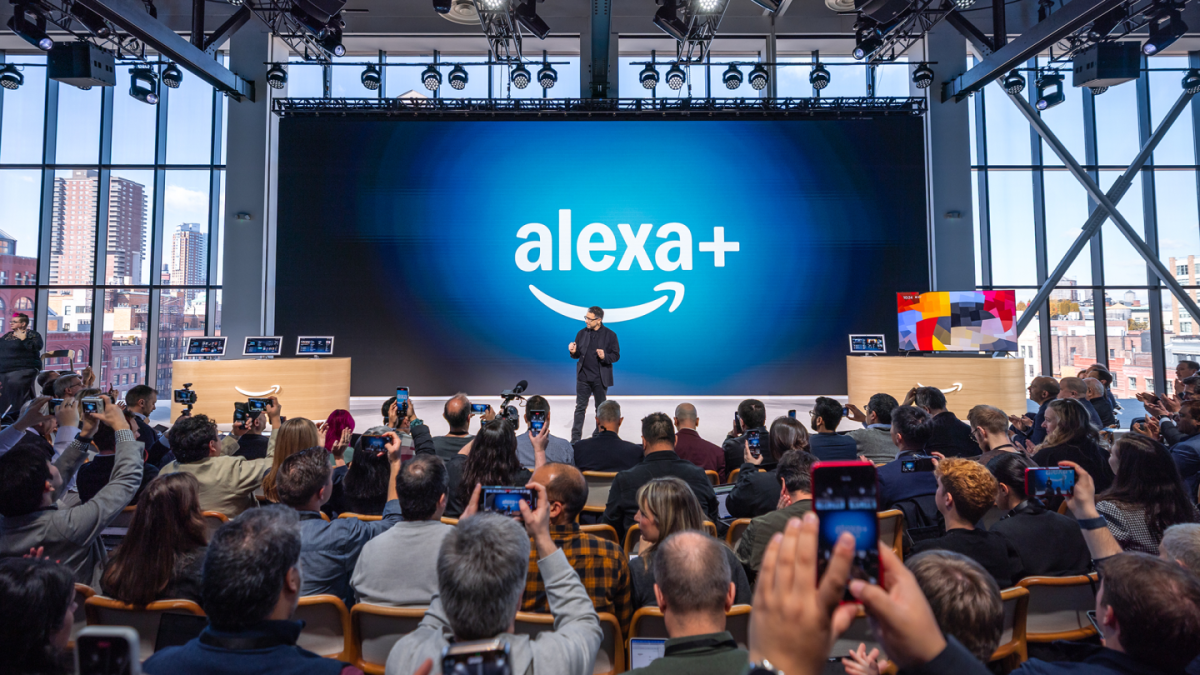
Amazon is positioning its massive hardware ecosystem as the foundation for the future of generative AI. During the Consumer Electronics Show (CES) in Las Vegas, the company confirmed that 97% of all devices ever shipped—totaling over 600 million units—are capable of supporting its upcoming AI-powered assistant, Alexa+.
Scaling the Generative AI Footprint
Alexa+ represents a significant leap from traditional voice commands, introducing more expressive vocal capabilities, deep world knowledge, and autonomous AI agents. These agents are designed to execute complex tasks on behalf of users, such as ordering food or securing transportation via services like Uber.
While an official global rollout date remains unconfirmed, Amazon is prioritizing Prime members for initial access. The platform has already seen significant adoption, with the user base expanding from 1 million testers last June to “tens of millions” currently eligible to opt into the upgrade.
Leveraging Ambient Intelligence
Daniel Rausch, VP of Amazon Alexa and Echo, views the company’s existing hardware footprint as a critical competitive advantage. Unlike niche AI tools, Rausch positions Alexa as a “foundational” assistant integrated directly into the home environment.
“Alexa is ambiently available in the most natural interface: voice,” Rausch stated. “The familiarity of tens of millions of customers already engaging continuously with our devices is our primary opportunity for growth in the AI space.”
Strategic Integration and Market Competition
The push for Alexa+ arrives as the AI landscape intensifies, with competitors like Apple integrating Google’s Gemini into Siri, and standalone powerhouses like ChatGPT and Claude capturing significant market share across healthcare, coding, and research sectors.
Amazon is aggressively expanding the Alexa ecosystem beyond traditional smart speakers:
- Web and App Redesign: A new web interface and a chatbot-centric mobile app have been introduced to modernize user interaction.
- Strategic Partnerships: At CES, industry leaders including Samsung, BMW, and Oura demonstrated deep integrations with the Alexa platform.
- Wearable Expansion: Following the acquisition of Bee, an AI wearable designed for recording and analyzing conversations, Amazon plans to weave Bee’s functionality into the broader Alexa experience while maintaining its status as a standalone, “lovable” brand.
As the company moves forward, the primary challenge remains proving that consumers will transition from simple voice commands to complex, generative AI-driven workflows. By utilizing its vast, pre-installed hardware base, Amazon aims to ensure Alexa remains the default assistant in the modern smart home.