
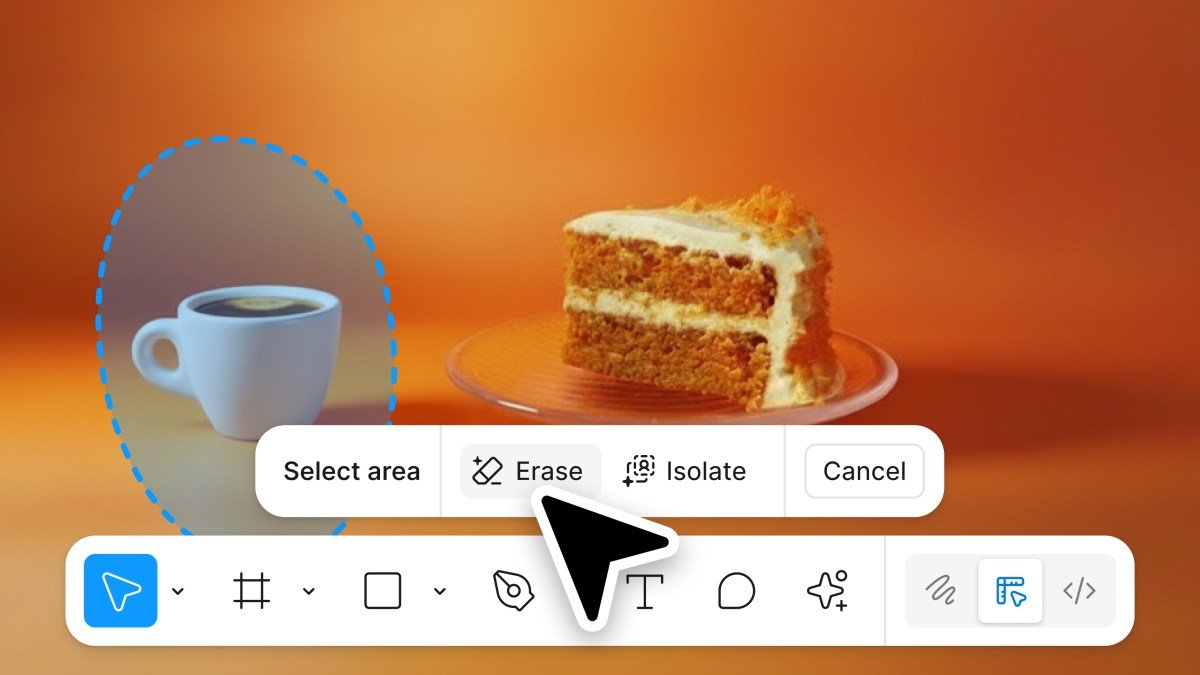
Design platform Figma officially rolled out a suite of AI-powered image-editing tools today, designed to streamline workflows by eliminating the need to toggle between external editing software and the Figma workspace. The update introduces advanced object isolation, removal, and image expansion capabilities directly within the design interface.
Streamlining Creative Workflows
Figma’s latest update addresses a common friction point for designers: the repetitive cycle of exporting assets to third-party tools for basic touch-ups and re-importing them. While generative models are effective for creating new imagery, the company emphasized that designers require granular, prompt-free controls for precise adjustments.
Precision Editing with AI
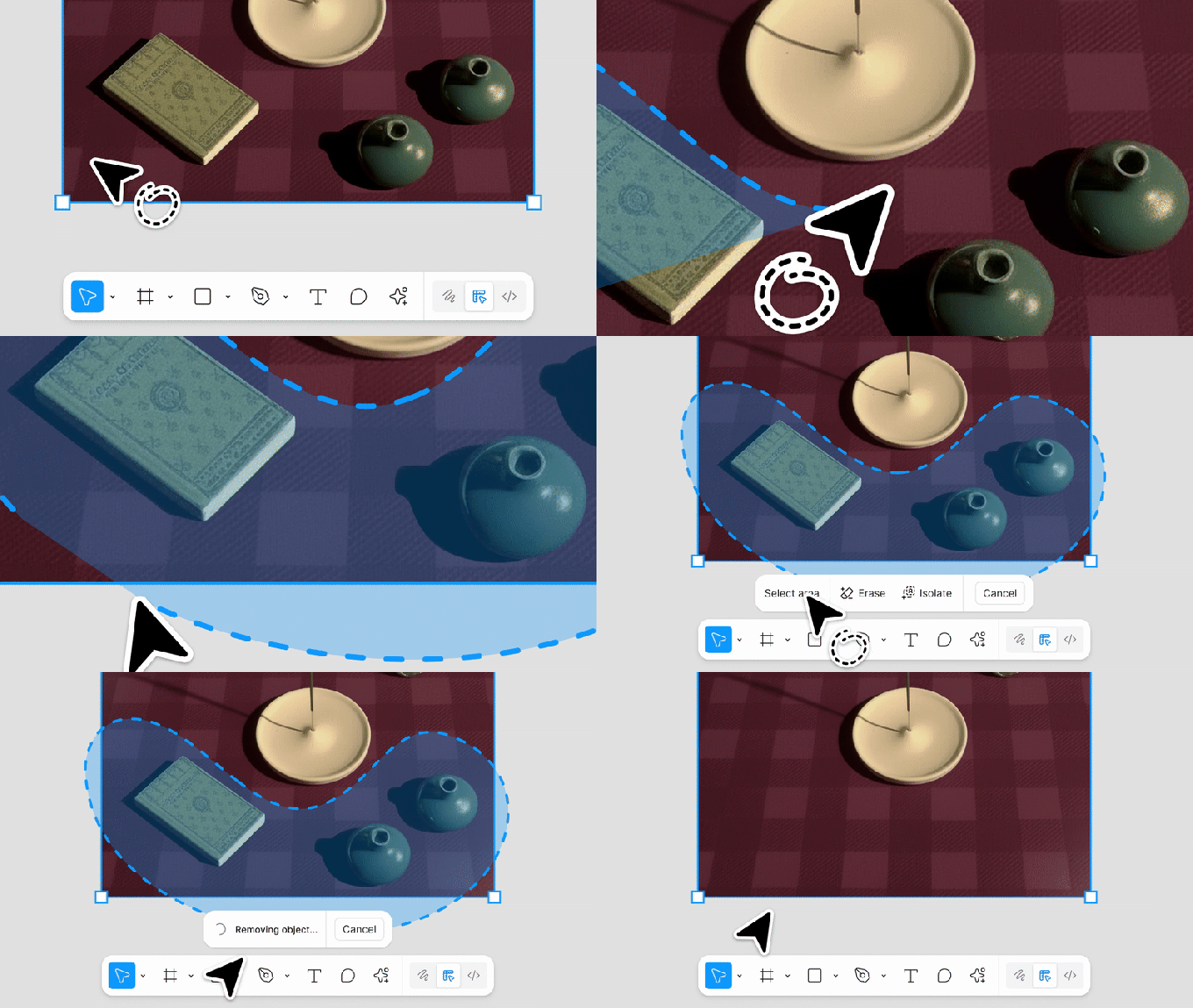
The core of this release is a significantly upgraded lasso tool. Users can now select specific objects within an image to remove them or isolate them for relocation. The AI maintains the integrity of the original background and color profiles, ensuring that moving an element does not degrade the overall composition. Furthermore, designers can isolate objects to apply targeted adjustments to lighting, shadows, focus, and color grading.
Advanced Image Expansion
Figma is also introducing an image-expansion feature to resolve common layout challenges. This capability is particularly useful when adapting assets for different aspect ratios—such as converting a 1×1 square image into a web or mobile banner. By intelligently filling in backgrounds and extending details, the tool removes the manual labor of cropping and rearranging design elements.
Unified Toolbar and Market Competition
To improve accessibility, Figma has consolidated all image-editing functions into a single, centralized toolbar. This hub includes background removal—which the company identifies as one of the most frequent tasks on the platform—alongside annotation and text-editing tools.
With this launch, Figma narrows the feature gap with established competitors like Adobe and Canva, which have offered object-removal tools for years. These new capabilities are currently available in Figma Design and Draw, with a broader rollout across the entire Figma ecosystem scheduled for next year.
The announcement coincides with Adobe’s recent integration of similar features into ChatGPT. While Figma partnered with OpenAI in October to integrate with the platform, it remains unconfirmed whether these specific new native editing functions will be accessible within the OpenAI environment.