
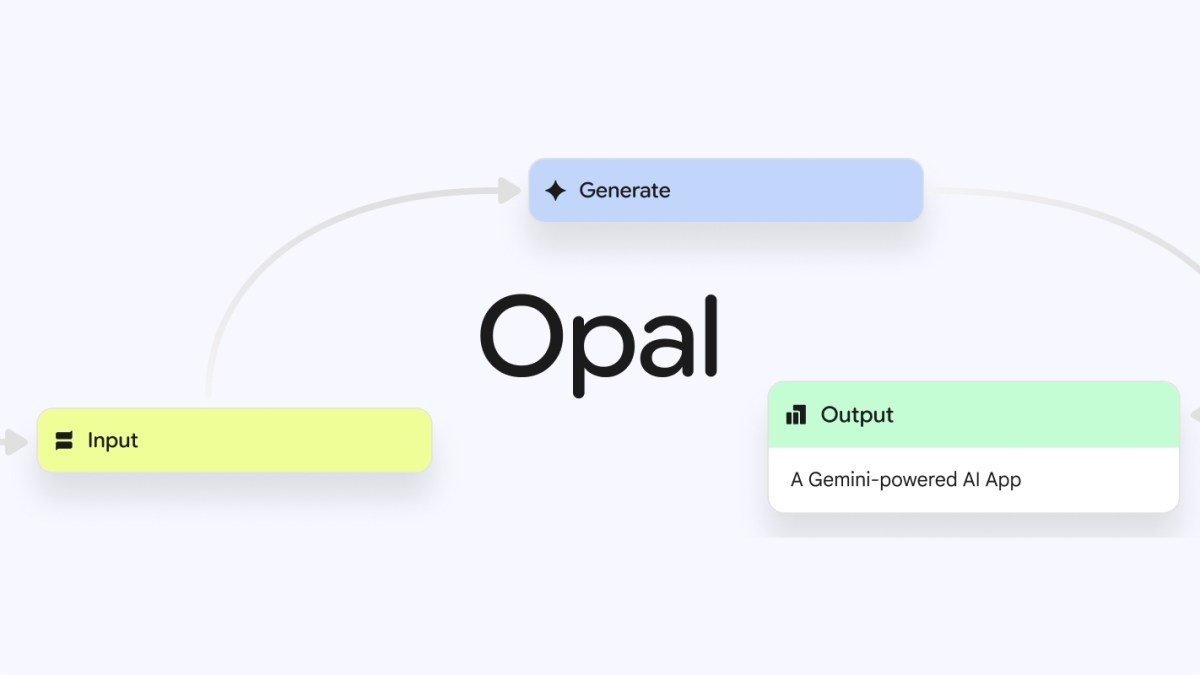
Google has officially integrated its “vibe-coding” tool, Opal, directly into the Gemini web application. This update empowers users to build custom, AI-powered mini-apps—referred to by Google as Gems—using simple natural language prompts, eliminating the need for traditional programming skills.
What Are Google Gems?
First introduced in 2024, Gems serve as personalized versions of the Gemini AI, fine-tuned for specific workflows. Existing pre-built examples include specialized assistants for career guidance, coding support, editorial tasks, brainstorming, and educational coaching.
Building Apps with Opal
Opal streamlines the creation process by allowing users to describe their desired application in plain English. The tool leverages various Gemini models to translate these descriptions into functional mini-apps. Users can now access this feature directly within the Gems manager on the Gemini web interface.
The platform includes an intuitive visual editor that maps out the logic behind each application. This interface allows creators to rearrange workflow steps and establish connections between them without writing a single line of code. Additionally, a new view within Gemini automatically converts user prompts into structured step-by-step lists to visualize the app’s internal logic.
Advanced Customization and Market Trends
For users requiring deeper technical control, Google provides an Advanced Editor accessible at opal.google.com. Once finalized, these mini-apps are saved, allowing for seamless reuse across future tasks.
The rise of “vibe-coding”—the practice of using AI to generate software—has gained significant momentum. Google’s move positions Gemini to compete with a growing field of AI-driven development tools, including offerings from Anthropic and OpenAI, as well as specialized startups like Lovable, Cursor, and Wabi.
You can explore these new capabilities by visiting the Gemini web app at gemini.google.com.